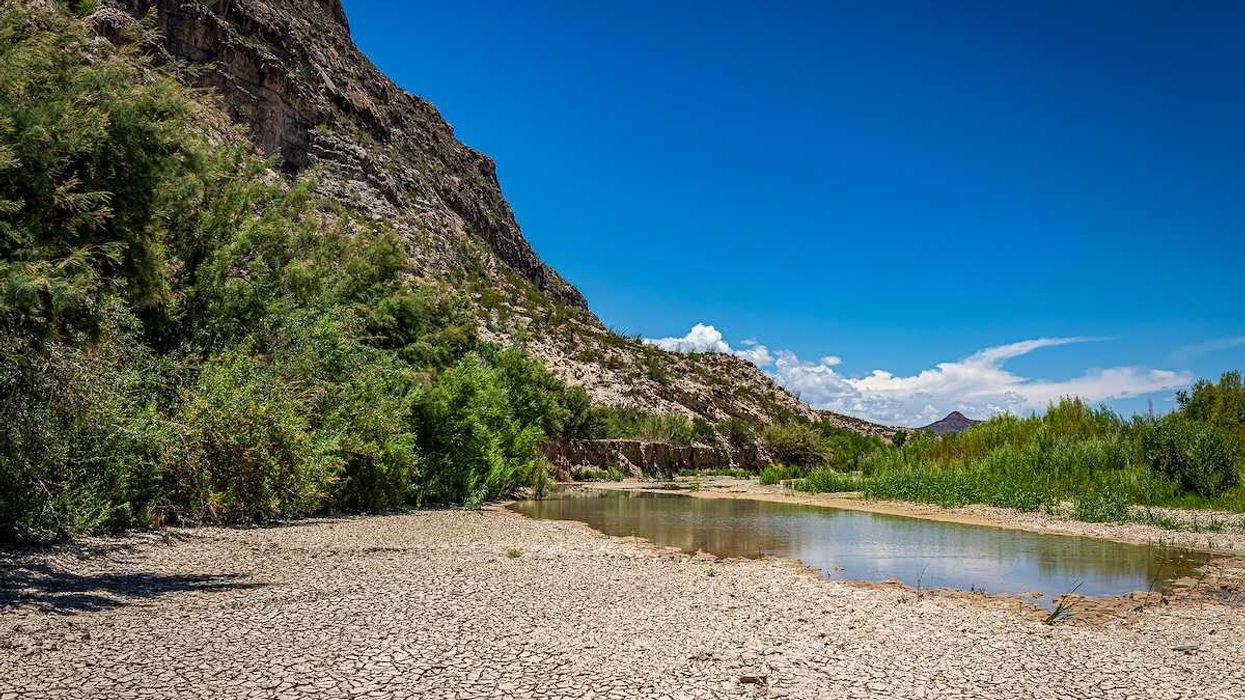
The United States and Mexico signed a deal to halt raw sewage from flowing into the Tijuana River, a cross-border waterway that has long fouled beaches and sickened nearby residents.
Lisa Friedman reports for The New York Times.
In short:
- Mexico will invest $93 million in sanitation upgrades and finish by December 2027; the U.S. will release funding for pump station repairs and related projects.
- Daily sewage flows from Tijuana have overwhelmed treatment plants, worsened by rapid population growth and stronger storms linked to climate change.
- Local health impacts include widespread rashes, respiratory problems, and gastrointestinal illnesses among Navy recruits and residents near San Diego beaches.
Key quote:
“These are really tough projects to implement, with really elusive outcomes.”
— Matthew Tejada, senior vice president of environmental health, Natural Resources Defense Council
Why this matters:
Sewage pollution in the Tijuana River has persisted for decades, fouling coastlines and endangering communities on both sides of the border. The mix of untreated human waste and storm runoff carries pathogens that cause skin infections, gastrointestinal illnesses, and respiratory problems. San Diego’s Navy recruits and beachgoers have borne the brunt of outbreaks, while Mexico’s growing population strains failing infrastructure. Climate change intensifies the crisis, with heavier storms pushing even more contaminated water to the coast. Addressing the problem requires sustained binational cooperation, but repairs are costly and slow, leaving residents in limbo as polluted water continues to reach the Pacific.
Read more: EPA refuses to reconsider Superfund status for Tijuana River Estuary