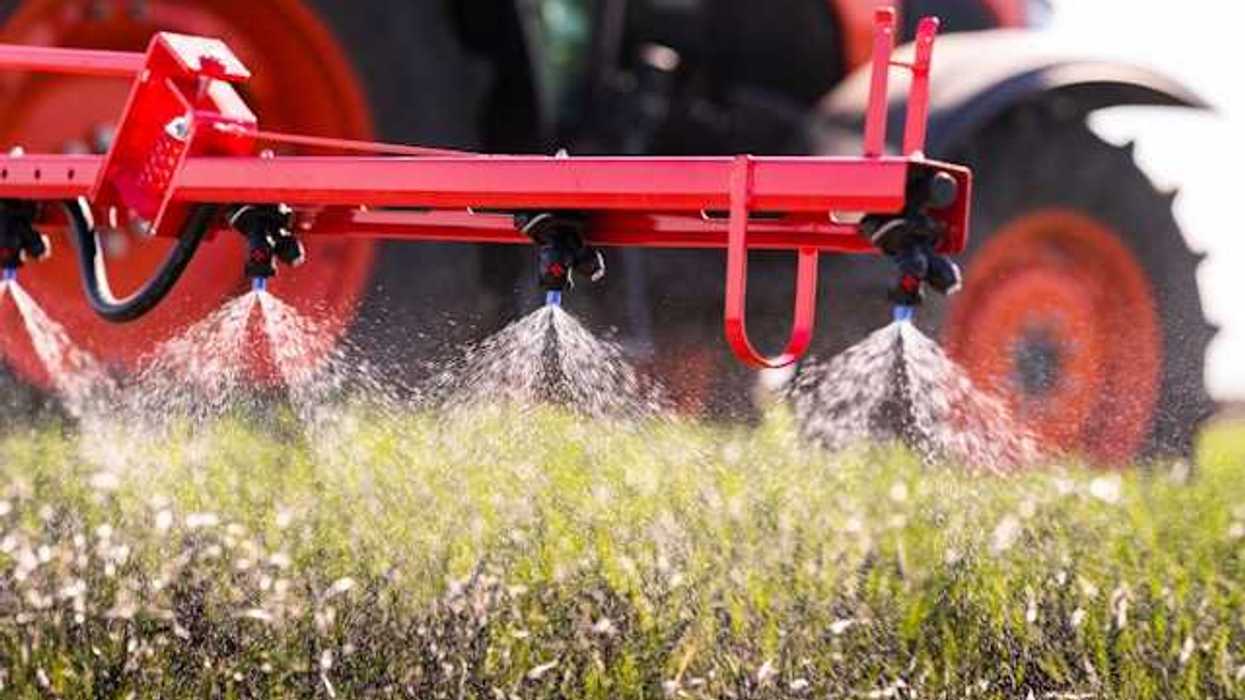
A surge in nitrate pollution from Iowa farms is straining Des Moines Water Works’ ability to supply clean drinking water, leading advocates to call for federal intervention to ensure safe water access.
Nina Elkadi reports for Inside Climate News.
In short:
- Des Moines Water Works (DMWW) operates one of the world’s largest nitrate-removal facilities, now running more often due to heavy rains increasing nitrate runoff.
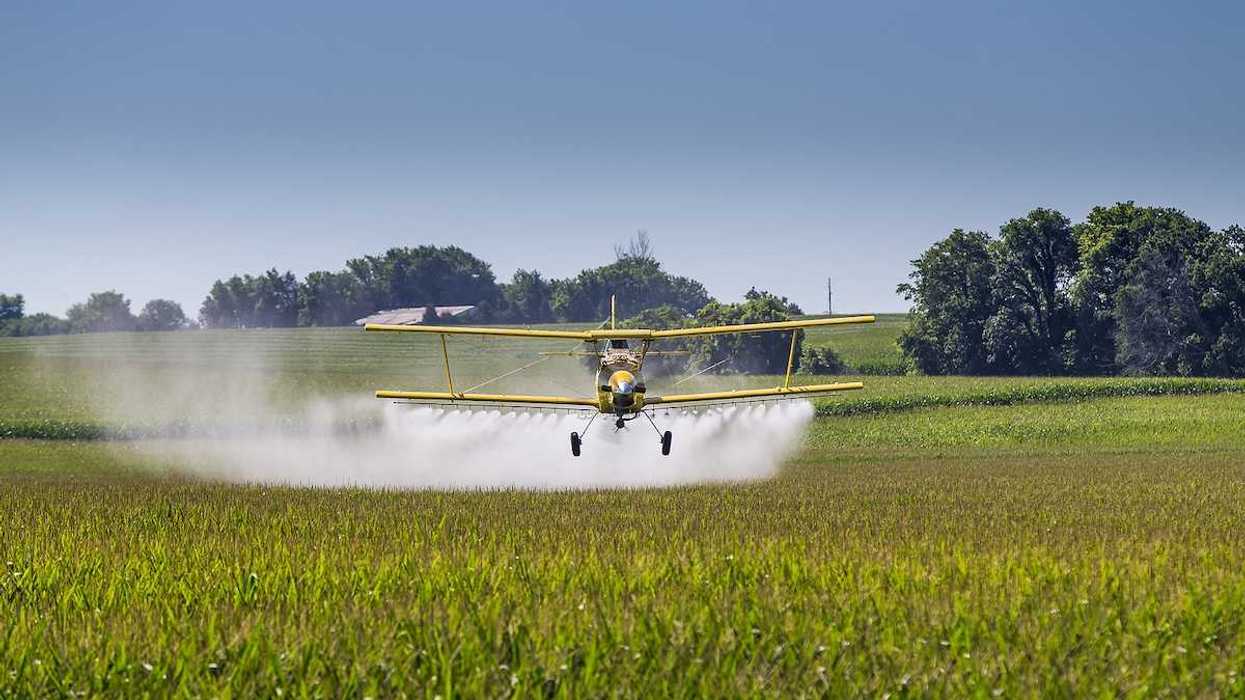
- Nitrate contamination, primarily from farm fertilizers, threatens drinking water quality and has been linked to health issues like methemoglobinemia in children and potential cancer risks in adults.
- Iowa’s voluntary nutrient reduction strategy has made limited progress, prompting calls for more stringent measures to curb agricultural runoff into waterways.
Key quote:
“We shouldn’t just continue to let things go into the water and assume that whoever needs to use the water downstream is just going to clean it up as much as they need to.”
— Ted Corrigan, DMWW Chief Operating Officer
Why this matters:
Nitrate contamination poses serious health risks and strains water utilities that must treat increasingly polluted sources. Without effective regulations, Iowa’s drinking water could become more costly and unsafe, threatening public health and raising water treatment expenses.
Related: Iowa rivers face record nitrate levels following heavy rains