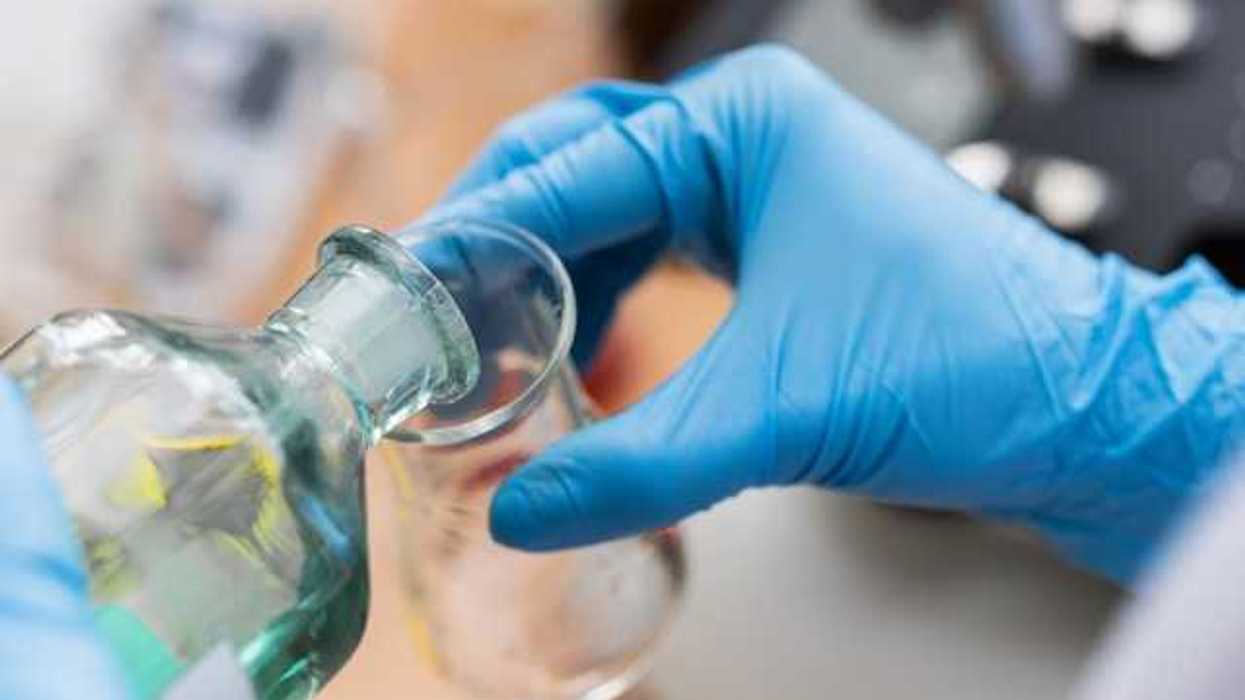
A growing body of research shows that donated blood is contaminated with industrial chemicals like PFAS, lead, mercury, and cadmium — and no one is regulating the risk.
Bruce Lanphear writes for Substack.
In short:
- A study in Norway found that nearly all blood donors had PFAS levels above what’s considered safe, with a significant portion also carrying dangerous levels of lead, mercury, and cadmium.
- Blood banks don’t screen for these chemicals because there’s no regulatory requirement, and doing so could threaten supply — leaving vulnerable recipients unknowingly exposed.
- Unlike pharmaceuticals, industrial chemicals aren’t tested for safety before hitting the market, meaning exposure is widespread and involuntary.
Key quote:
“If a unit of blood is packed with PFAS, it belongs in hazardous waste—not in someone’s veins.”
— Bruce Lanphear, public health scientist and author
Why this matters:
This isn’t a niche issue. It’s a quietly unfolding public health crisis rooted in the regulatory blind spot that lets industrial chemicals flood the market without proving they’re safe. Once they’re out there — in stain-proof couches, nonstick pans, food packaging, car exhaust, agricultural sludge, drinking water — they end up in us. This isn’t exposure by choice. It’s a slow, steady intrusion, starting in the womb and lasting a lifetime.
Read more: What are PFAS?