Nearly one in four children tested in Albany’s West Hill and surrounding ZIP code 12206 had elevated lead levels in their blood, pointing to widespread contamination in old housing, soil, and pipes.
Chris Hippensteel reports for theTimes Union.
In short:
- The 12206 ZIP code had the second-highest childhood lead poisoning rate in upstate New York, with 23% of tested children affected in 2020.
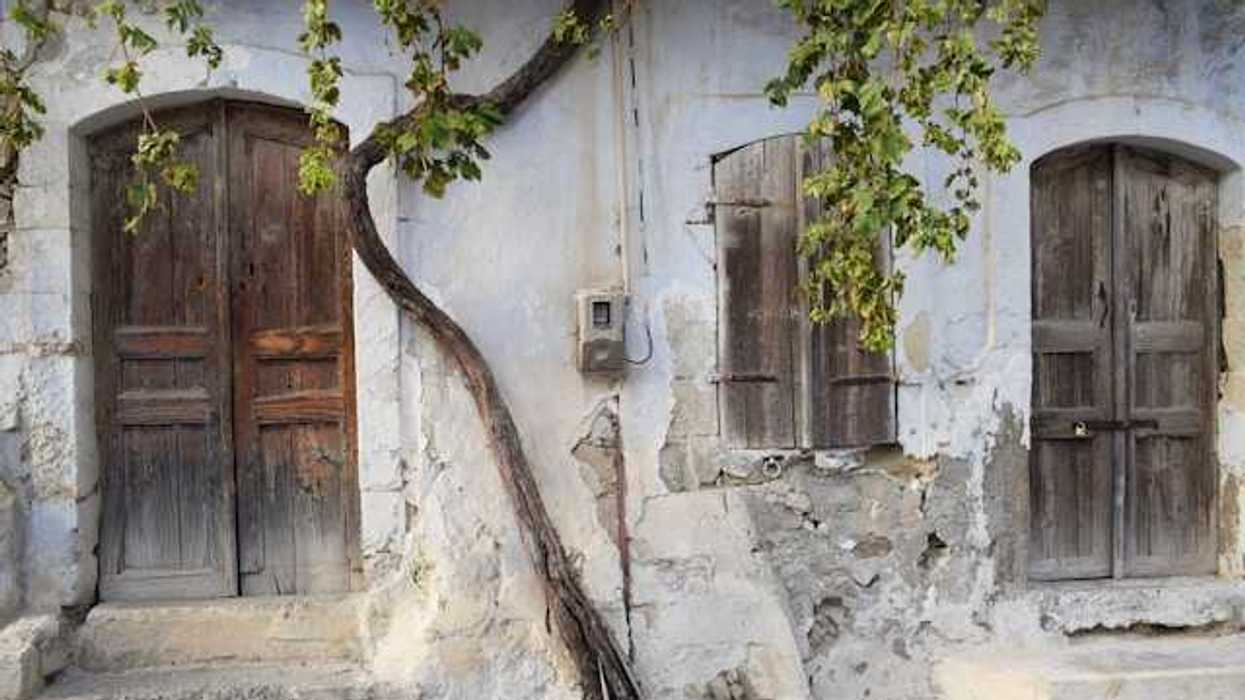
- Lead exposure in Albany is linked to deteriorating pre-1978 housing with lead paint, old water pipes, and even imported goods like spices; local organizations lacking adequate resources often struggle to respond.
- A new statewide rental registry aims to inspect and clear units of lead hazards every three years, but enforcement gaps, landlord inaction, and repeated violations at the same properties have slowed progress.
Key quote:
“Unlike other upstate communities where there’s a significant lead problem, there isn’t a grassroots group on the ground that’s focused on solving that problem here that I’m aware of.”
— Bobbi Wilding, co-founder and executive director of Clean+Healthy
Why this matters:
Lead exposure remains one of the most preventable yet damaging environmental health risks for children, with lifelong consequences. When children ingest or inhale even tiny amounts of lead dust, it can permanently affect brain development, leading to lower IQ, attention disorders, and behavioral issues. These impacts are especially severe in low-income and marginalized communities where aging infrastructure, disinvestment, and weak enforcement converge. Refugee and immigrant families, unfamiliar with U.S. housing laws or unable to relocate, face higher exposure risks. While recent policies like rental registries and pipe replacement plans show promise, their effectiveness depends on rigorous oversight and public engagement.
Learn more: RFK Jr.'s health agency layoffs halt lead poisoning response efforts nationwide