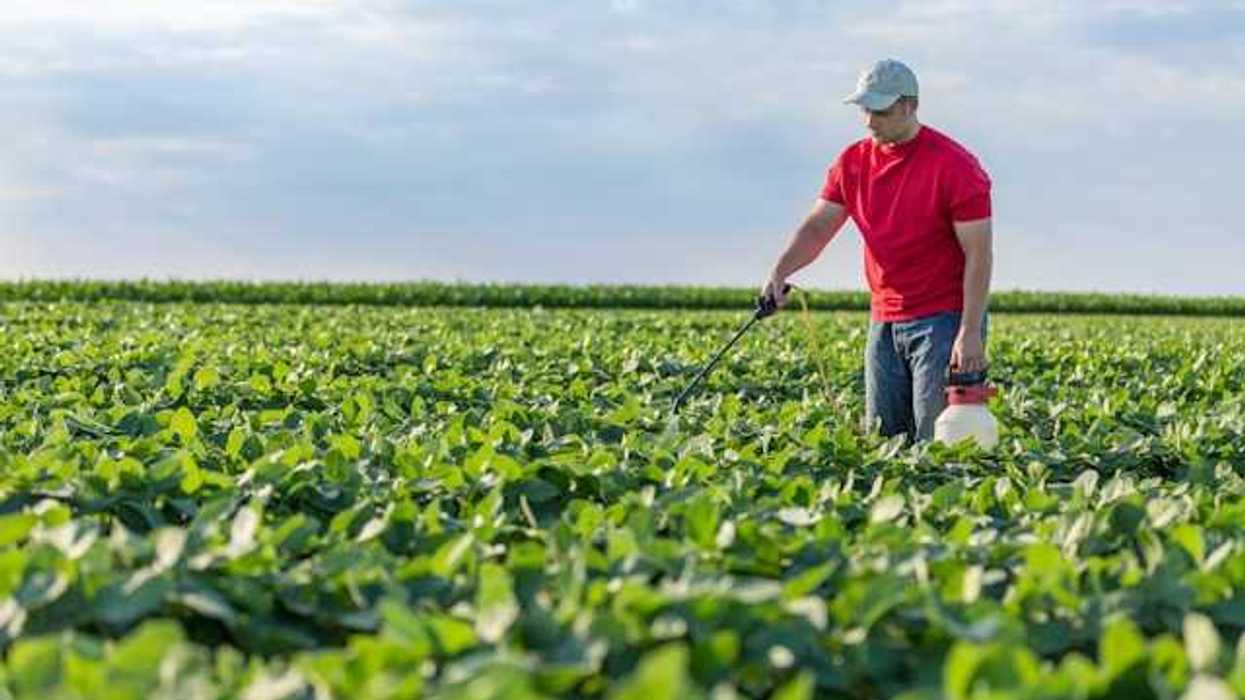
Women in Brazil's farming belt face skyrocketing breast cancer rates linked to pesticide exposure, with research showing contamination from widely-used chemicals like glyphosate, atrazine, and 2,4-D.
Mayala Fernandes reports for Mongabay.
In short:
- Women working on farms in Paraná, Brazil, face a 60% higher risk of breast cancer and a 220% increased chance of metastasis due to pesticide exposure.
- These women are typically exposed through secondary tasks like washing contaminated clothes and equipment without protective gear, a major route for chemical absorption.
- Researchers are now training rural women on safe handling practices and distributing protective gloves, though cultural and financial barriers remain.
Key quote:
“We know that compounds such as glyphosate, 2,4-D and atrazine are related to breast, ovarian and thyroid cancer and others, as a result of the endocrine disruptions they cause."
— Carolina Panis, Western Paraná State University
Why this matters:
The invisible costs of industrial farming often hit the most vulnerable—turning their livelihoods into health hazards. Read more: On the frontlines of pesticide exposure.