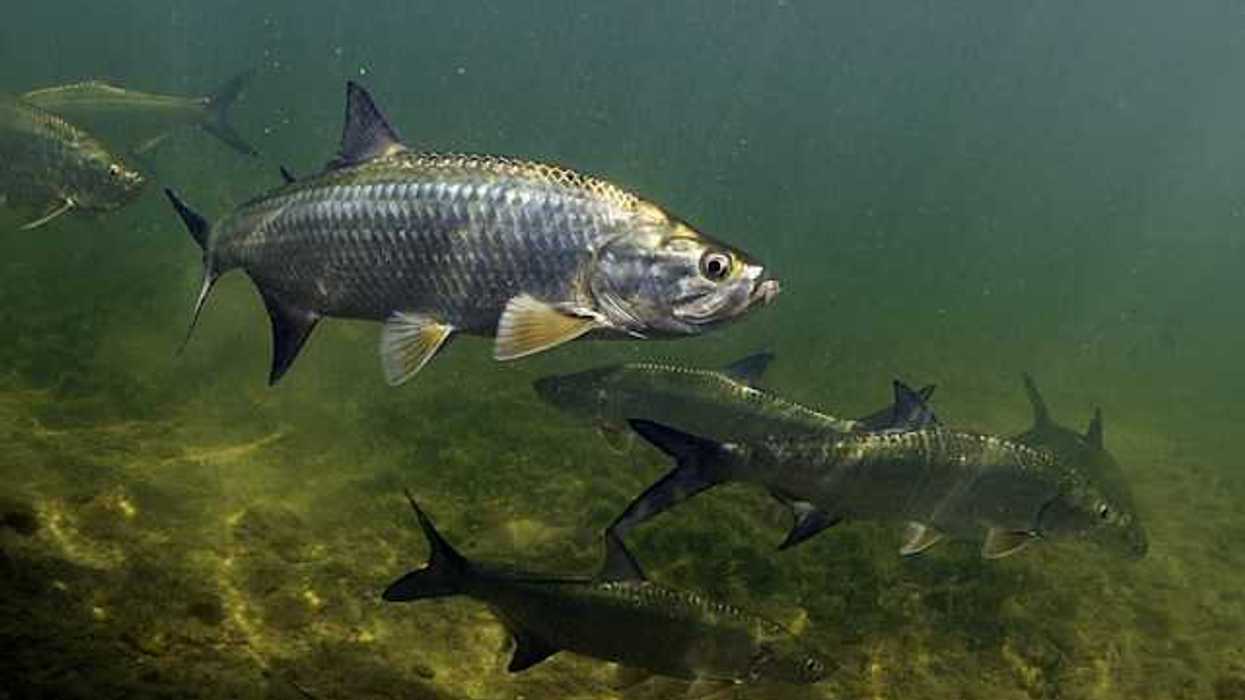

According to a recent study published in Environmental Research, individuals who consume U.S. freshwater fish are exposed to a mixture of chemical contaminants that can have combined health effects.
In short:
- In addition to mercury, these pollutants include chemicals such as PFAS and legacy contaminants like PCBs, which are no longer produced.
- Researchers found a correlation between the presence of organic chemicals (including PCBs and PFAS) in fish tissue, but no correlation between those chemicals and mercury.
- Although the presence of some organic chemicals declined over time, mercury levels have not decreased, and some chemical levels still exceeded the minimum for risk-based screening despite being banned decades ago.
Key quote:
“Despite some successes in curtailing release of pollutants, some contaminants in fish tissue have not declined and legacy and emerging pollutants continue to pose risks to fish consumers in the U.S.”
Why this matters:
While freshwater fish are an important food source for both people and wildlife in the U.S., their consumption poses a threat to public health due to the accumulation of environmental toxics in their tissues. Most regulations focus only on individual contaminants rather than chemical mixtures, and fish consumption advisories are frequently driven solely by mercury levels, missing potential exposures to many other pollutants. The authors of this study call for stronger legislative and regulatory efforts at both the state and federal level to protect consumers and reduce ongoing contamination.
Related EHN coverage:
- Just one meal of caught fish per year is a significant dose of PFAS
- Op-ed: Time to take action to protect people from PFAS contaminated fish
- Current regulations miss threat of IQ loss from exposure to chemical mixtures
More resources:
- National Academies: Guidance on PFAS exposure, testing and clinical follow-up.
- Environmental Protection Agency (EPA): Fish and Shellfish Advisories and Safe Eating Guidelines
Wu, Pianpian et al. for Environmental Research vol. 266. Feb. 1, 2025