Recent studies reveal shocking levels of microplastics in commonly consumed foods and beverages, impacting both vegetarians and meat-eaters alike.
Sandee LaMotte reports for CNN.
In short:
- Research indicates that 90% of tested animal and vegetable proteins contain microplastics, with items like breaded shrimp, instant rice, and Himalayan pink salt recording the highest levels.
- Plastics not only taint food but also beverages such as bottled water, with studies showing significant contamination.
- Concerns grow as nanoplastics, capable of infiltrating human organs, are found in essential everyday foods and drinks.
Key quote:
“In almost the same way we’re constantly shedding skin cells, plastics are constantly shedding little bits that break off, such as when you open that plastic container for your store-bought salad or a cheese that’s wrapped in plastic.”
— Sherri “Sam” Mason, director of sustainability, Penn State Behrend
Why this matters:
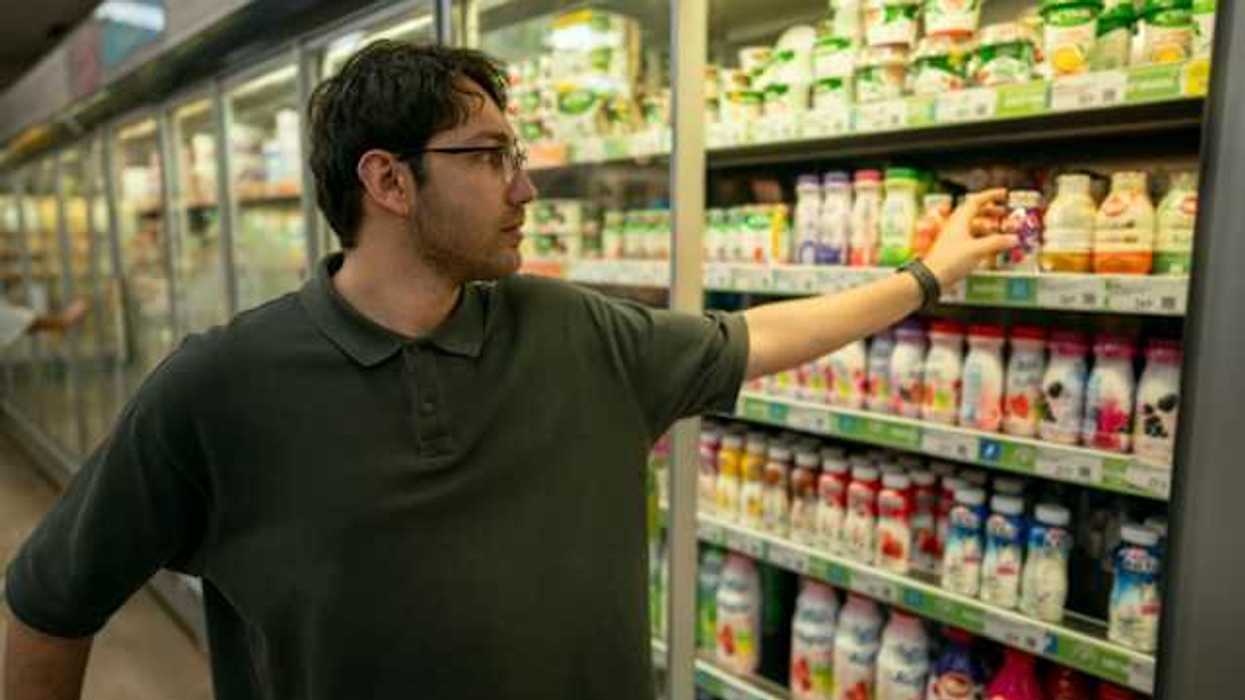
Plastic packaging, ubiquitous in grocery stores and kitchens around the world, plays a surprisingly insidious role in the contamination of our food supply with microplastics. These tiny particles, often less than five millimeters in size, shed from larger pieces of plastic as they degrade. When food is wrapped or contained in plastic, microplastics can leach into it, particularly if the food is oily or acidic, or when heated in plastic containers.
Tiny plastic particles might accumulate in the body once ingested. The effects of long-term accumulation are not yet well understood, which is a significant gap in the current knowledge but scientists are piecing together troubling evidence that tiny plastic bits disrupt our digestion and microbiome.