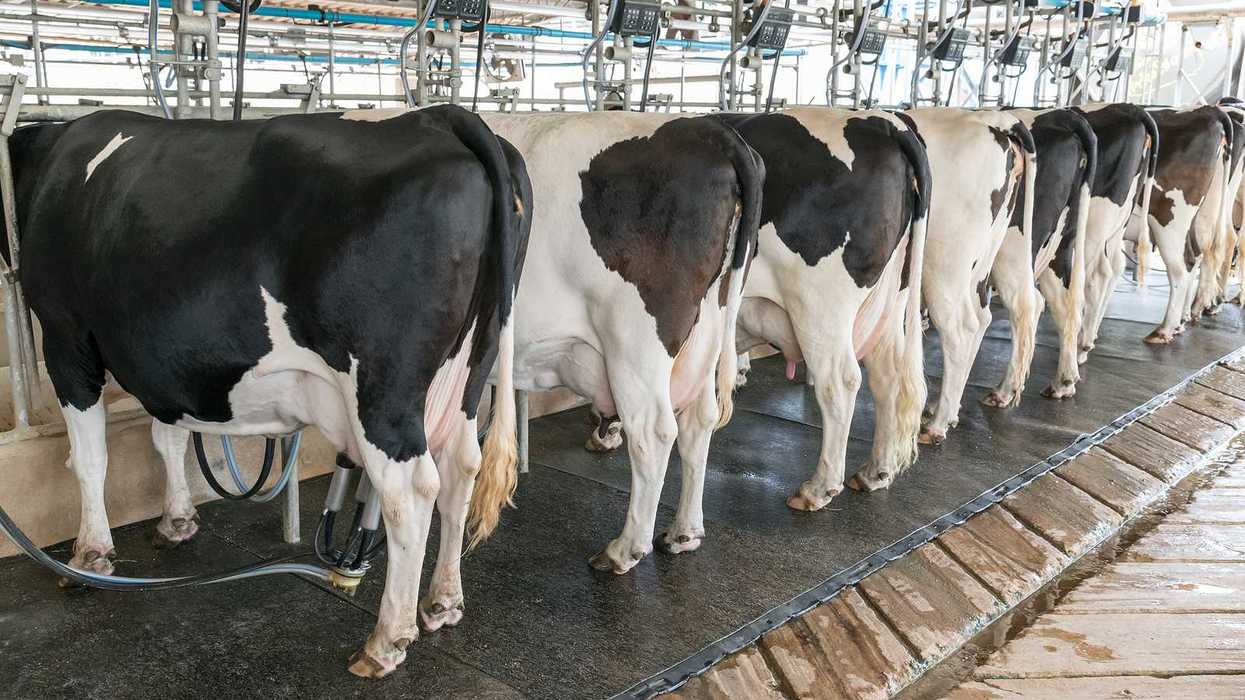
Despite regulations, agricultural runoff continues to pollute waterways across Europe, driven by the high concentration of livestock and unsustainable manure practices.
In short:
- Manure runoff from large industrial farms has overwhelmed regions in Europe, causing water pollution and threatening ecosystems.
- Countries like the Netherlands, Belgium and Germany face significant nitrate contamination, while the Baltic Sea suffers from eutrophication due to nutrient runoff from surrounding nations.
- Efforts to regulate manure use struggle due to weak enforcement and a lack of reliable data on fertilization practices.
Key quote:
“The nitrogen surplus, meaning the proportion of nitrogen applied through fertilization which is not absorbed by the plants, is the central control variable in the system. It is like carrying out a tax audit without knowing income and expenditure.”
— Frank Hilliges, manure expert at Germany's main environmental protection agency, Umweltbundesamt
Why this matters:
Excessive nutrient runoff poses serious risks to water quality, biodiversity and human health. Without stronger policies and better data, Europe may fail to protect its ecosystems from long-term damage.