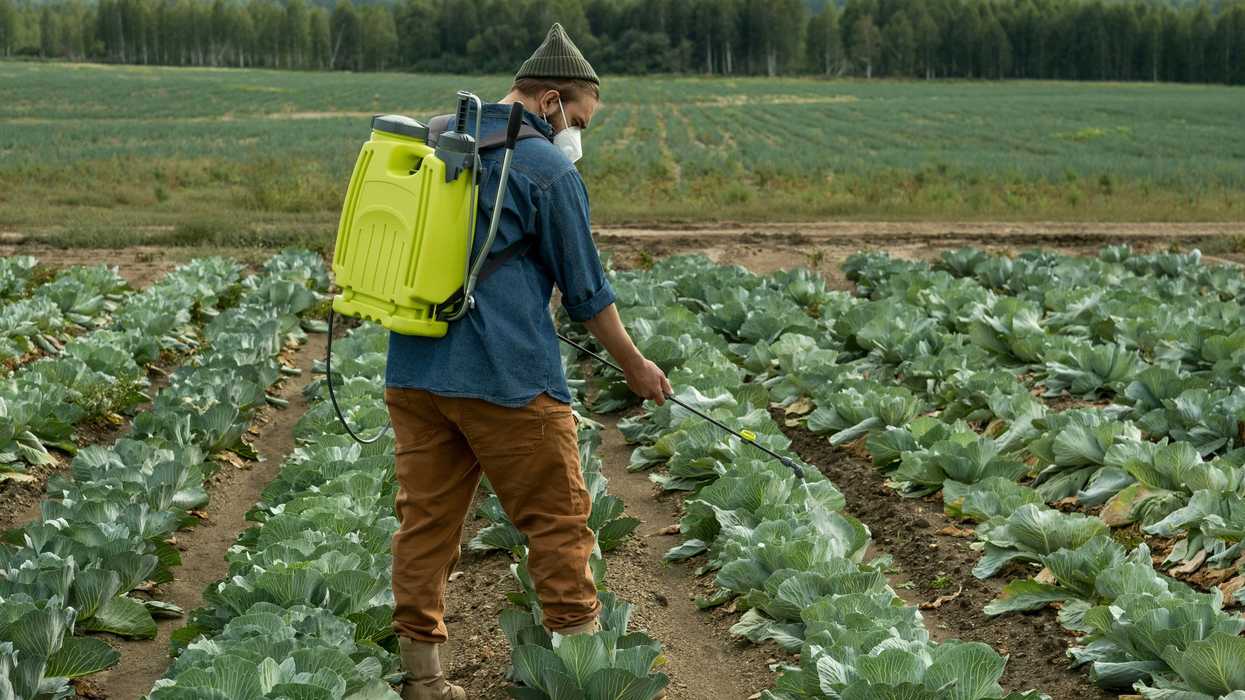

An article published in Environment International describes a new, more accurate methodology for estimating pesticide use in tropical countries.
In short:
- Environmental and health risks from pesticide use in Costa Rica are higher than previously estimated.
- Costa Rican pesticide use is most intense on export crops like bananas and pineapples.
- Existing national-level pesticide use data is limited and can be enhanced by improved methods.
Key quote:
“Global pesticide use alone has increased by 20% since 2008, particularly in biodiversity-rich tropical regions of the global South, threatening non-target organisms, ecosystems, and people.”
Why this matters:
Data on pesticide use is often low quality, and does not include information on the active ingredients used, making it difficult to accurately calculate risk. This study contradicts the pesticide industry’s claims that hazards have been decreasing over time.
Related EHN coverage:
- Common pesticide linked to health impacts across multiple generations
- EPA dismissed data on the neurotoxicity of common insecticides
More resources:
- University of Zurich: Halving pesticide risk by 2030? The tropics are a blind spot
- The Tico Times: Study finds Costa Rica’s pesticide use more than 10 times global average
Source:
From Your Site Articles
- Pesticide regulations ignore critical threats to insect health and ecosystems ›
- Pesticides disrupt ecosystems and harm wildlife, study finds ›
- What are the health worries around pesticides? ›
Related Articles Around the Web