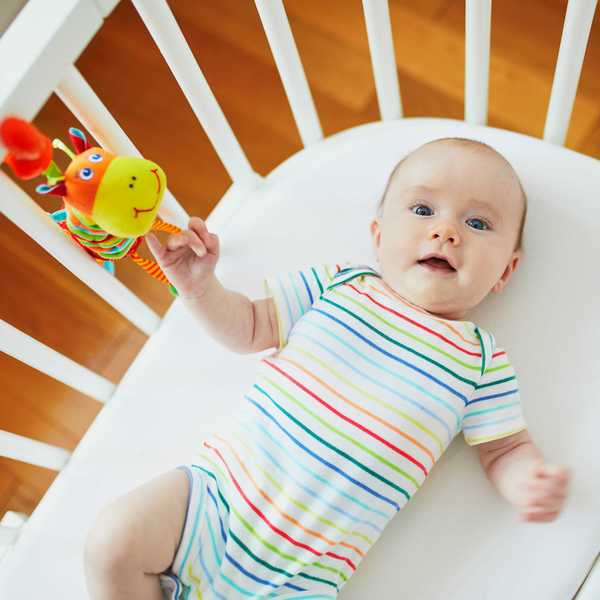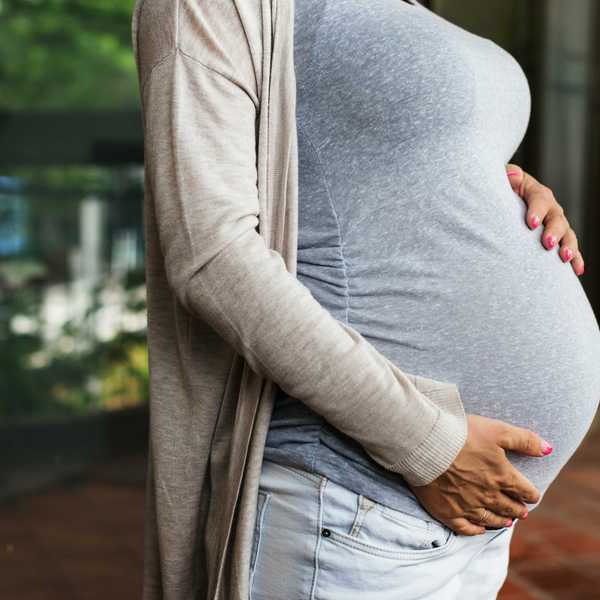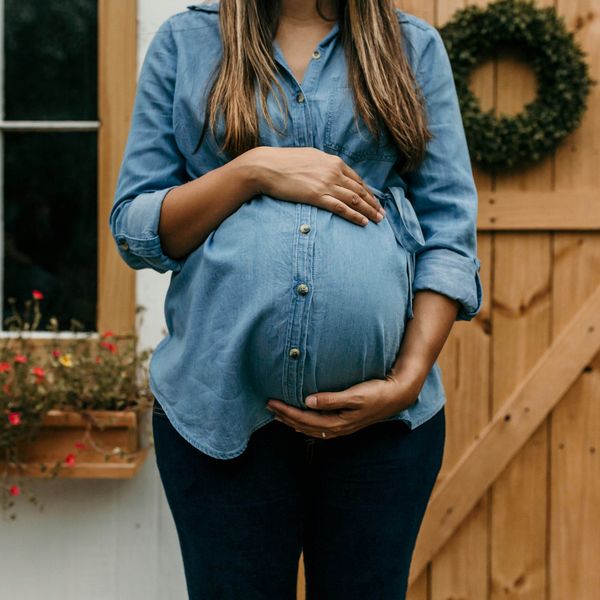

An analysis of data from the All Babies in Southeast Sweden (ABIS) study published in Nature Communications shows that prenatal inflammation may increase the risk of developing type 1 diabetes later in life, and that low levels of PFAS exposure could play a role.
In short:
- The authors identified proteins present in newborns that were associated with an increased risk of later developing type 1 diabetes.
- These proteins were linked to increased inflammation and to higher levels of various compounds like fatty acids and PFAS chemicals.
- This association between PFAS and proteins linked to inflammation was found even at low levels of exposure.
Key quote:
“These findings suggest that even low-level environmental exposure may subtly influence immune signaling as early as birth.”
Why this matters:
The incidence of type 1 diabetes has increased in developed countries across the globe since the mid-20th century, and researchers are trying to determine why. This study shows that the development of type 1 diabetes may start very early in life, even before birth. The proteins found in this paper could be used to identify people at higher risk of developing type 1 diabetes, and thus may play a role in preventing the disease. This research also suggests that environmental chemical exposure may contribute to the development of type 1 diabetes, an under researched possibility.
Related EHN coverage:
- Prenatal exposure to arsenic increases type 1 diabetes risk, even at low levels
- BPA exposure may impact diabetes risk, even at “safe” doses
- Common chemical affects gut microbiome and contributes to diabetes and obesity
More resources: The Diabetes and the Environment website has a page describing additional research on PFAS exposure and the development of diabetes (including type 1, 2, and gestational), as well as obesity and metabolic syndrome.
Ahrens, Angelica et al. for Nature Communications, Jan. 7, 2026
- Possible link between PFAS and diabetes in women ›
- Medical care alone won't halt the spread of diabetes, scientists say ›