Toxic PFAS chemicals once linked to a closed ChemFab factory in Bennington, Vermont, are increasingly found in private wells and soils, with new research showing contamination is spreading and intensifying.
Greta Solsaa reports for VTDigger.
In short:
- Bennington College researchers, working with the state, found that PFAS levels in private wells and soils continue to rise, especially downwind from the defunct factory.
- The findings challenge a 2017 model by Saint-Gobain, the factory's owner, which claimed contamination had peaked and would decline, a key argument in limiting corporate liability.
- Vermont’s PFAS regulations are currently weaker than federal standards, but a Trump administration lawsuit has temporarily paused U.S. EPA rules, delaying state action.
Key quote:
“We are seeing across the board PFOA levels continue to rise across our region and continue to be found well beyond the area of initial concern, and the takeaways from this research are pretty clear — we need robust monitoring of all wells in the Bennington region for PFOA.”
— David Bond, associate director, Center for the Advancement of Public Action, Bennington College
Why this matters:
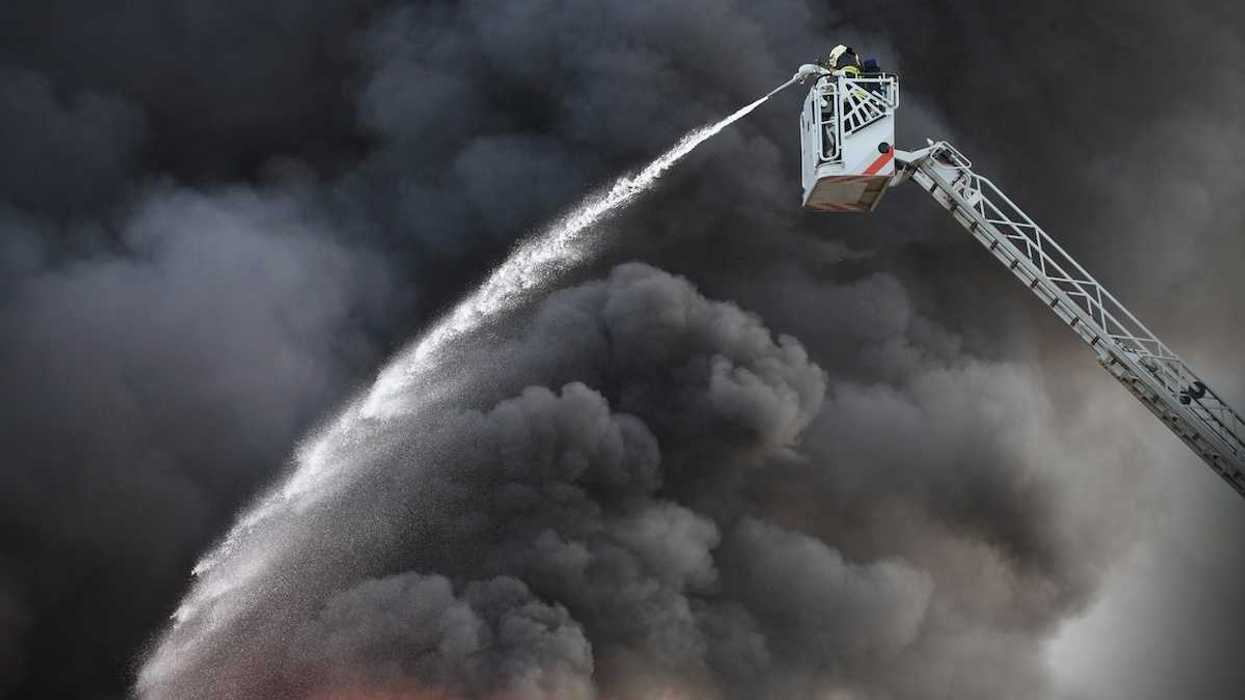
PFAS contamination — short for per- and polyfluoroalkyl substances — has become one of the most stubborn public health challenges of the modern industrial age. Used for decades in products ranging from nonstick pans to firefighting foam, these synthetic compounds resist breaking down, earning them the nickname "forever chemicals." In towns like Bennington, Vermont, where manufacturing once promised jobs and stability, residents now live with a different kind of legacy: a toxic footprint that leaches through groundwater, lingers in backyard soil, and circulates in household air.
The science linking PFAS exposure to cancers, immune system disruption, and developmental harm — especially in children — is well-established, yet federal and state regulators have struggled to keep up. Cleanups can take years, even decades, and by the time testing reveals a problem, exposure has often already occurred. Bennington’s story is far from unique; it highlights how slowly government responses move when corporate pollution quietly permeates the environment, leaving everyday people to grapple with invisible threats long after the factories have gone silent.
Related: What are PFAS?