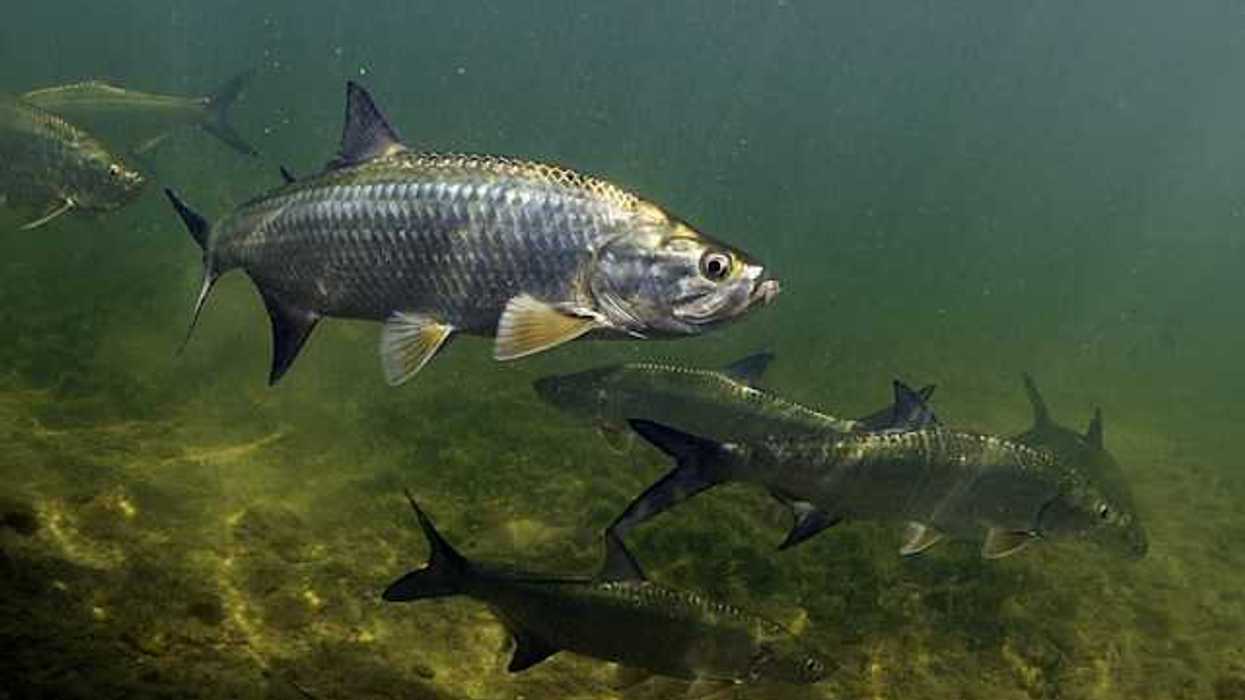
Anglers fishing in the San Francisco Bay face elevated health risks from PFAS-laden fish, with new research finding one never-before-detected forever chemical in local marine species.
Audrey Mei Yi Brown reports for San Francisco Public Press.
In short:
- A decade of fish testing by the San Francisco Estuary Institute found high levels of 20 different PFAS chemicals, including one never seen before in marine fish, in 10 common species caught in the bay.
- Current California fishing advisories do not yet consider PFAS levels, and even the fish fillet sampling method likely underestimates actual contamination for those consuming more of the fish or using it to make stock.
- Community members, including unhoused people and subsistence anglers, face disproportionate risk due to dietary reliance on bay fish and lack of accessible or multilingual health advisories.
Key quote:
“A hungry person does not care about the toxic load in that fish. A hungry person will not turn down a meal.”
— Anthony Khalil, fisherman and senior community engagement specialist, San Francisco Estuary Institute
Why this matters:
PFAS are nearly indestructible and have been linked to cancers, hormone disruption, immune suppression and reproductive harm. Because they don’t break down, they accumulate over time in fish, water and humans. What makes this especially worrisome is that current safety thresholds don’t reflect the true risk for many people — especially those who eat whole fish or lack the resources to access alternative food. Language barriers, technical jargon in signage, and gaps in data about at-risk groups all create systemic blind spots. As fishers like Anthony Khalil point out, responsibility has been offloaded onto individuals instead of stopping PFAS at the source. This shifts the focus away from industry and government accountability, leaving vulnerable populations with toxic exposure and few tools to navigate it.