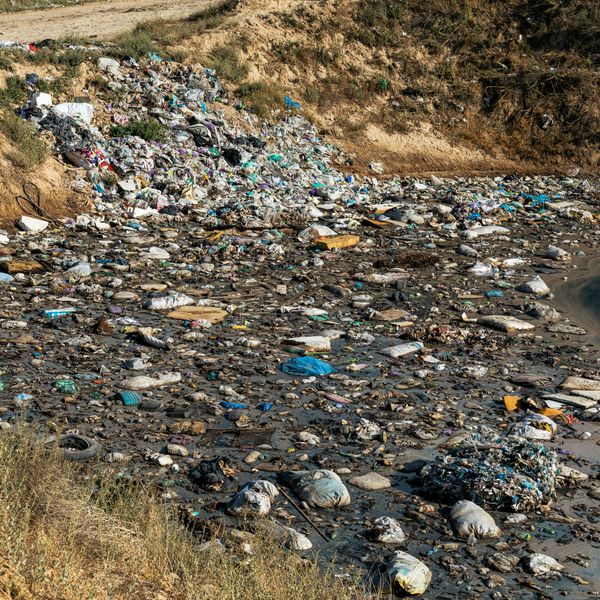

In a recent study published by The Lancet Planetary Health, researchers examined the health costs of pollutants released by plastics across their full lifecycle and emphasized the need for international policy that reduces plastic production.
In short:
- Every stage of the plastic lifecycle contributes to human health threats including global warming, air pollution, cancer, and disease, with primary plastic production and plastic burning causing the greatest harm.
- The authors estimated that continuing with the current pace of plastic production would result in an additional 83 million disability-adjusted life-years (a measurement of healthy years of life lost to disability or disease) between 2016 and 2040.
- Out of all interventions modeled, restricting the primary production of plastic was the most effective way to reduce health impacts, and was substantially more effective than improving waste management and recycling alone.
Key quote:
“Efforts to address plastics pollution through waste management alone overlook or understate health risks related to climate change, air pollution, and chemical toxicity, perpetuating adverse consequences for health.”
Why this matters:
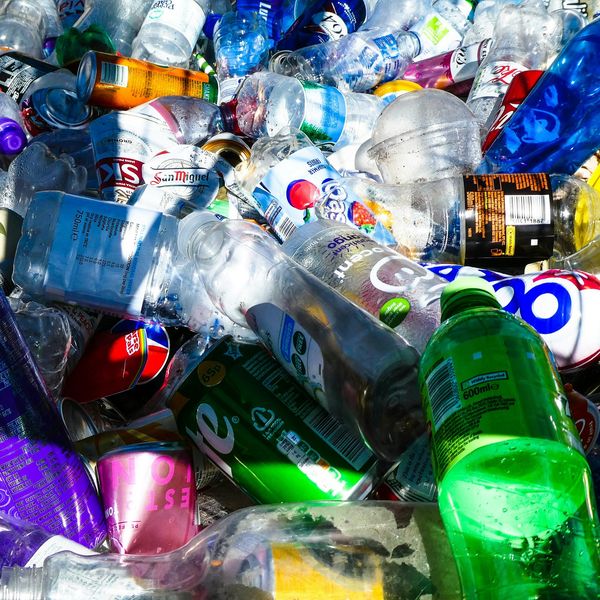
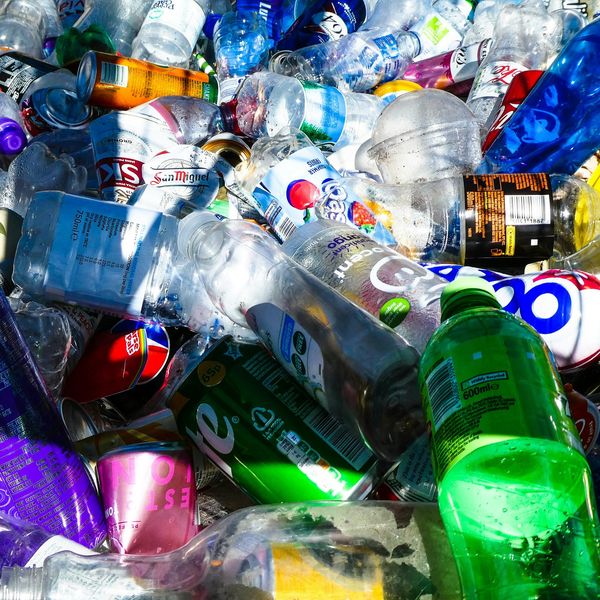
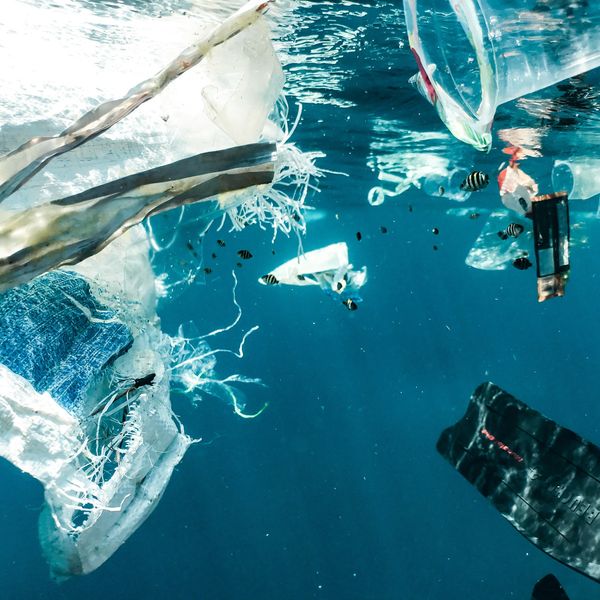
There are an estimated 57 million tons of plastic pollution generated globally each year. The UN Global Plastics Treaty — which aims to tackle the plastic crisis on an international scale — has approached a critical juncture, with a sixth round of negotiations ending without consensus last year. So far, the process has been severely hampered by some member states’ (including the U.S.) attempts to narrow the treaty’s scope to focus primarily on waste management, and exclude considerations of human health or limits on future plastic production. Scientists have emphasized how the treaty could be a meaningful tool for reducing plastic pollution and protecting human health, as long as it includes solutions that address the full lifecycle of plastics and require ambitious reductions on the production of new plastics.
Related EHN coverage:
- Scientists call for accountability on reducing plastics’ harms: “Plastics cause death from from infancy to old age”
- “A once-in-a-lifetime opportunity”: Independent scientists advocate for an effective Global Plastics Treaty
- How do we address 57 million tons of plastic pollution? Turn off the tap
More resources: The Scientists’ Coalition for an Effective Plastics Treaty is an international network of independent scientific and technical experts created to ensure the Plastics Treaty is based in accurate and up-to-date science. Their website includes fact sheets, policy briefs and other resources on the environmental and health effects of plastics.
Deeney, M. et al. (2026). Global health burdens of plastics: a lifecycle assessment model from 2016 to 2040. The Lancet Planetary Health
- Living with plastic: A personal reckoning with exposure, risk, and reality ›
- Recycling plastic increases the amount of toxic chemicals it contains ›
- What is plastic pollution? ›
- WATCH: Plastics: a health and environmental emergency ›
- Lifestyle changes may help meaningfully reduce exposure to toxic plastic chemicals - EHN ›
- New cellulose-based bioplastic matches performance of fossil fuel-based plastics - EHN ›