Residents of a Swedish town exposed for decades to toxic PFAS in their drinking water won a landmark court case that determined the chemicals' presence in their blood qualifies as a legal injury, even without a diagnosed illness. But that wasn't the end of their struggle.
Marta Zaraska reports for The Guardian.
In short:
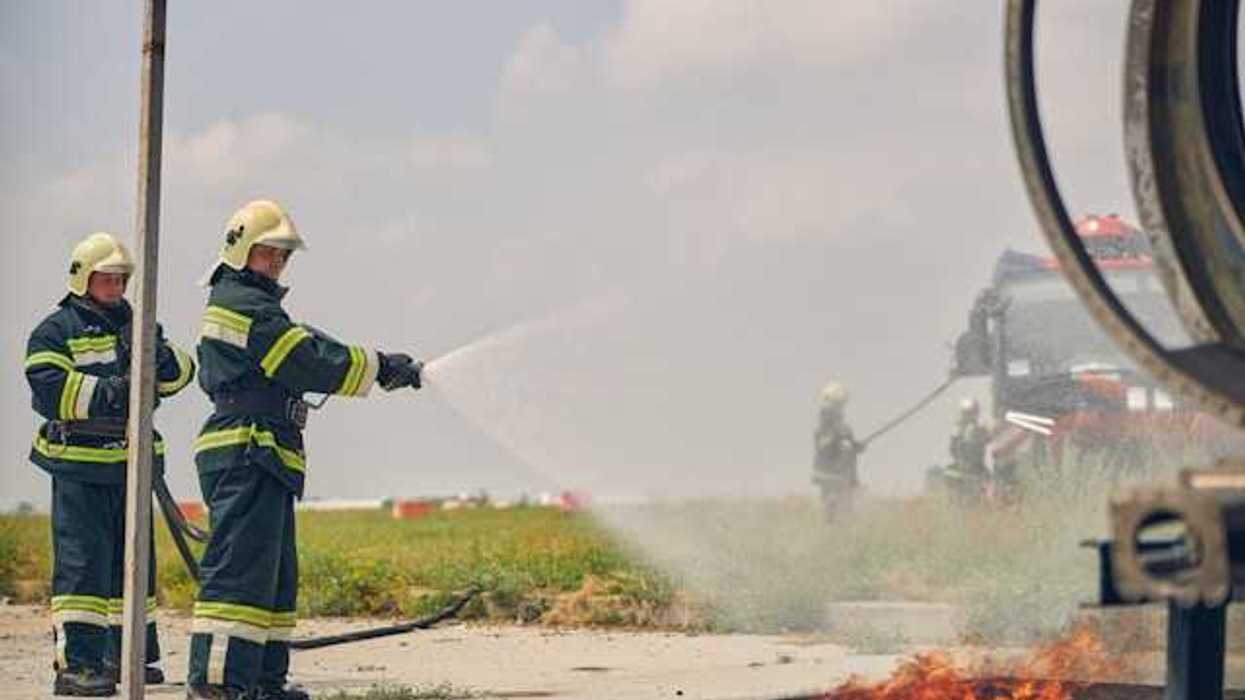
- For years, firefighting foam at a military base in Kallinge, Sweden, leached PFAS chemicals into the municipal water supply, resulting in blood levels up to 2,450 times higher than modern safety thresholds.
- Researchers found links between the contamination and increased risks of diabetes, immune dysfunction, developmental disorders, and rare cancers, especially in children and young adults.
- After a decade-long legal battle, Sweden’s supreme court ruled in December 2023 that PFAS in the blood constitutes compensable harm — setting a global precedent for cases involving “forever chemicals.”
Key quote:
“Given the immense number of PFAS released to the market, we can assume that we are only capturing a fraction of what is actually present.”
— Jana Weiss, environmental chemist at Stockholm University
Why this matters:
Studies link PFAS chemicals to cancer, thyroid disease, infertility, and immune dysfunction, especially in children. Yet the full health effects remain unknown, and most people have some level of PFAS in their blood. What happened in Sweden's Ronneby municipality reveals how long-standing industrial practices can silently contaminate communities, with few warning signs and limited accountability. The Swedish court ruling could shape future litigation globally, where thousands of communities are discovering PFAS in their drinking water, soil, and food. As regulators play catch-up, affected residents are often left to face the health and legal consequences on their own.
Related: Study links PFAS in drinking water to higher infection risks in children