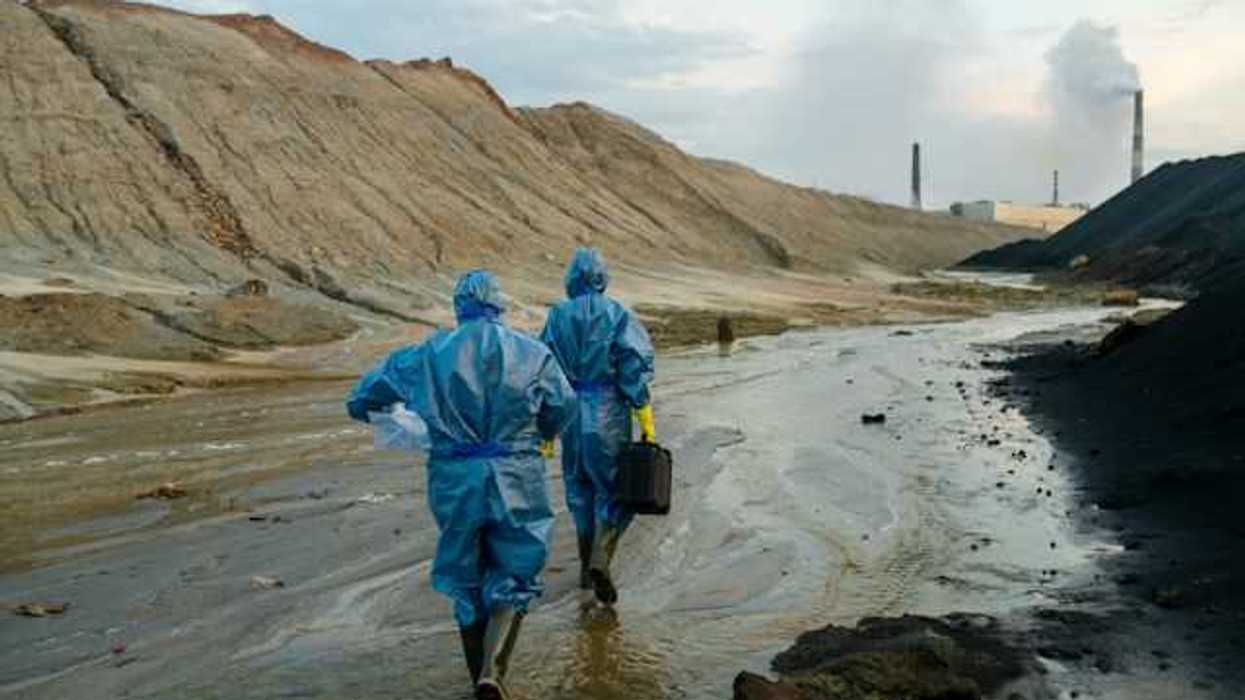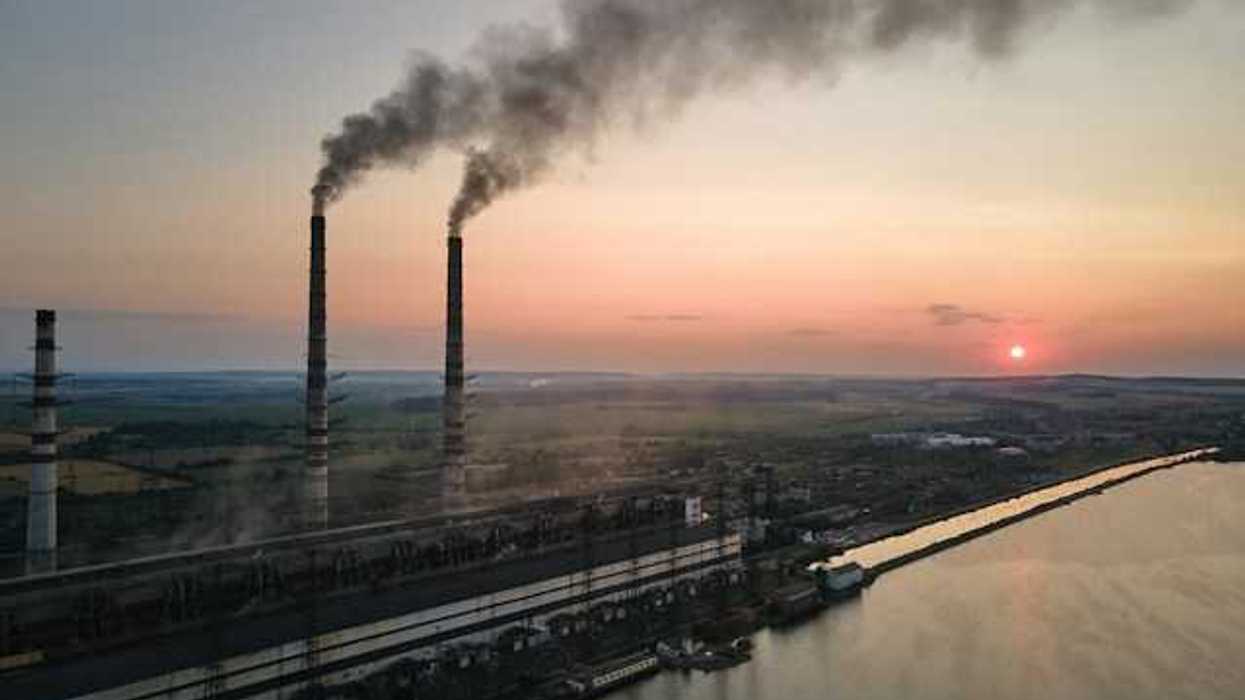
Three UK military bases are under investigation for potentially leaking toxic PFAS chemicals into drinking water and protected natural areas, raising concerns about public health and environmental damage.
Rachel Salvidge reports for The Guardian.
In short:
- The UK Ministry of Defence is investigating three military sites — RAF Marham, RM Chivenor, and AAC Middle Wallop — for possible PFAS contamination in drinking water safeguard zones and ecologically sensitive regions.
- PFAS compounds, used for decades in firefighting foams, have been linked to cancer, immune disruption, and reproductive disorders, and persist in soil and water long after use.
- Scientists warn that the UK lags behind the U.S. in PFAS monitoring, with laboratories overwhelmed and thousands of high-risk sites yet to be fully assessed.
Key quote:
"These PFAS that are leaching now likely took several decades to get there. There are more PFAS to come.”
— Prof Hans Peter Arp, Norwegian University of Science and Technology
Why this matters:
PFAS are synthetic compounds that don’t degrade in nature and can accumulate in the human body. For decades, military and industrial use of PFAS-laden products, especially firefighting foams, has left a legacy of contamination, the scope of which the world is just beginning to comprehend. The health effects of PFAS exposure include certain cancers, hormonal disruption, immune dysfunction, and reproductive issues. In the UK, calls are growing for stricter monitoring, better cleanup efforts, and full accountability from polluters, as researchers uncover widespread contamination. Yet current testing still targets only a fraction of PFAS types, leaving a vast unknown.
Related EHN coverage: Pioneering study links testicular cancer among military personnel to ‘forever chemicals’