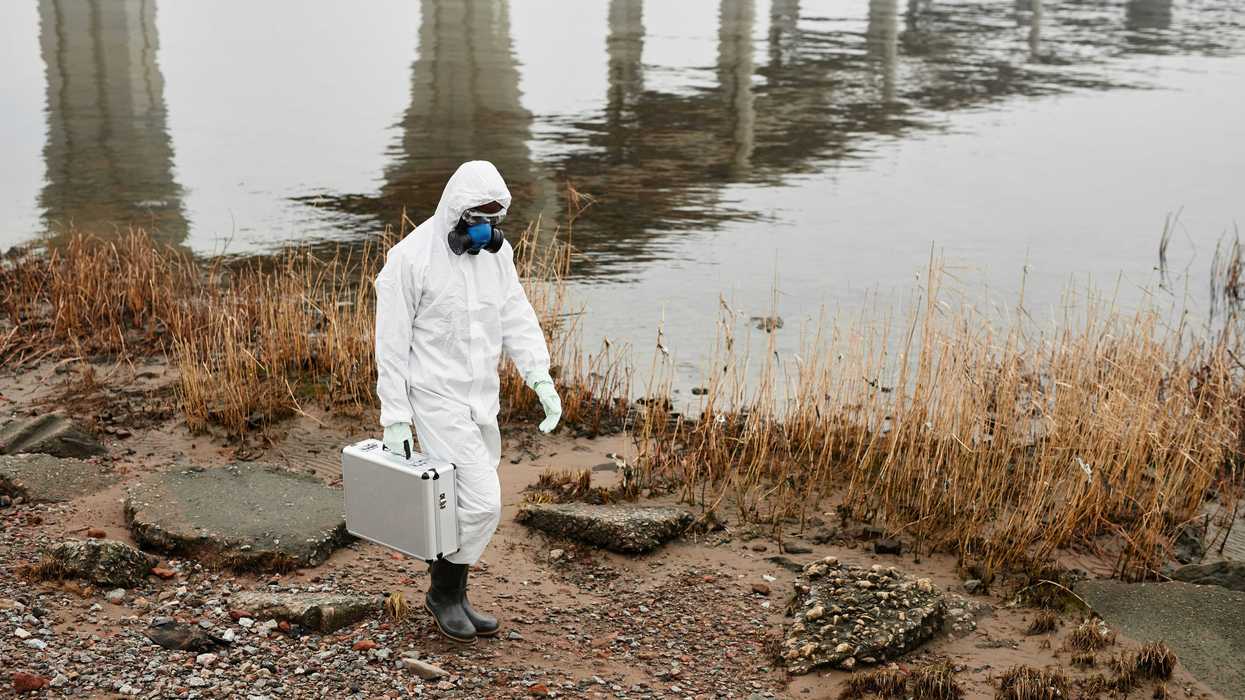
In a recent article published in Environmental Science and Pollution Research, researchers examined the issue of chemical contamination - including pollution from PFAS forever chemicals, pharmaceutical byproducts, agricultural chemicals, and ingredients from personal care products - in U.S. drinking water systems.
In short:
- Because these contaminants are typically very mobile, persistent, and are toxic at low concentrations that are difficult to detect, they’re often not fully removed by conventional water treatments.
- Only four U.S. states – California, Maine, Wisconsin, and Vermont – have strong, enforceable regulations and regular monitoring in place to address this type of contamination.
- The authors of this article emphasize the need for more “proactive regulation,” including policies that put the cost of pollution clean up on the industries that profit from chemical production, rather than on taxpayers.
Key quote:
“Understanding the problem’s scope is only the first step; the more urgent task now is to translate scientific findings into policies that ensure safe drinking water for everyone.”
Why this matters:
A well-established body of science has linked the toxic chemicals examined in this article to serious health harms, yet they remain largely unregulated. This lack of action on known toxic threats mirrors past U.S. health crises involving lead and asbestos contamination, which were only addressed with regulation after people were harmed. Even where policies do exist, they’re often incomplete – while six types of PFAS chemicals are regulated in U.S. drinking water, thousands of other PFAS are not subject to any limits or monitoring. The study authors highlight the critical need to recognize that “the consequences of inaction are significant.”
Related EHN coverage:
- Disadvantaged communities in California exposed to toxic chemical mixtures in tap water
- NIH funding produces promising new solution for PFAS cleanup
- Water treatment policies linked to decrease in arsenic-related cancers
More resources:
The U.S. Environmental Protection Agency’s (EPA) proposed Drinking Water Contaminant Candidate List is open for comment on Regulations.gov at docket number EPA-HQ-OW-2022-0946. Comments are due June 5, 2026. More information on the docket is available from EPA.
Siame, T. et al. (2026). Global Disparities in the Regulation of PFASs: The Risk of Shifting the PFAS Pollution Burden to Developing Countries. Environmental Science and Pollution Research