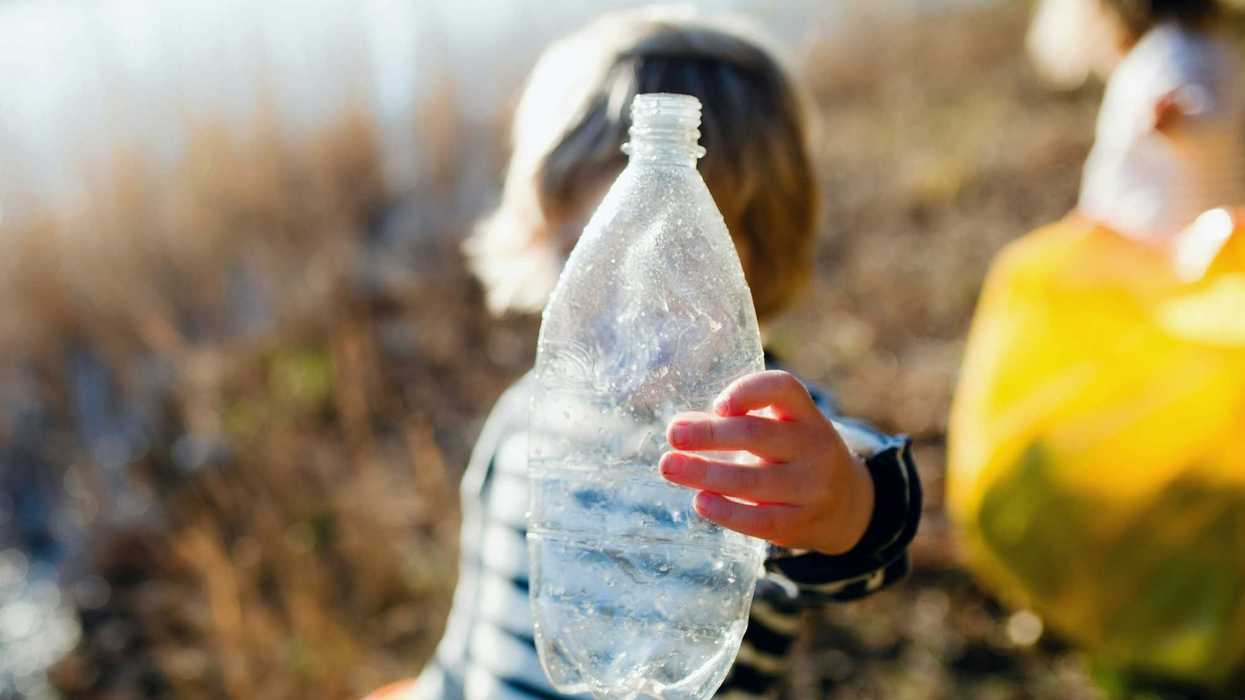

In a recent study published in Analytica Chimica Acta, researchers used new methods for detecting diverse endocrine disrupting chemicals (EDCs) in drinking water to test multiple bottled water brands from Belgium.
In short:
- In total, 17 EDCs were found in the 37 bottled waters tested, including chemicals used in plastic packaging, pharmaceutical drugs, and cosmetics.
- Water in plastic bottles contained more EDCs than water in glass bottles, with bisphenol B and acetaminophen being the most abundant chemicals detected.
- More expensive bottled water brands contained higher levels of toxic phthalate chemicals, potentially from multiple layers of plastic packaging.
Key quote:
“Despite efforts to regulate EDCs in cosmetics, biocidal products, and foods, environmental contamination by these substances continues to rise.”
Why this matters:
EDCs have been linked with a wide range of severe health impacts, including (but not limited to) cancers, reproductive issues, metabolic disorders, cardiovascular disease, and neurotoxicity. Diet is the primary source of EDC exposure, and while the health risks of EDCs are well-established, there are no comprehensive international regulations that target EDCs specifically. The authors of this study point to the need for a broad regulatory approach to EDCs in order to meaningfully address their harm to human health.
Related EHN coverage:
- Wastewater treatment plants fail to remove most toxic PFAS from drinking water sources
- Takeout food, bottled water linked to higher microplastic exposure
- Beverages in metal cans may be a source of chemical contamination, study finds
More resources: The Food Packaging Forum provides independent publications and tools based on the latest science on chemical exposures from food and beverage packaging.