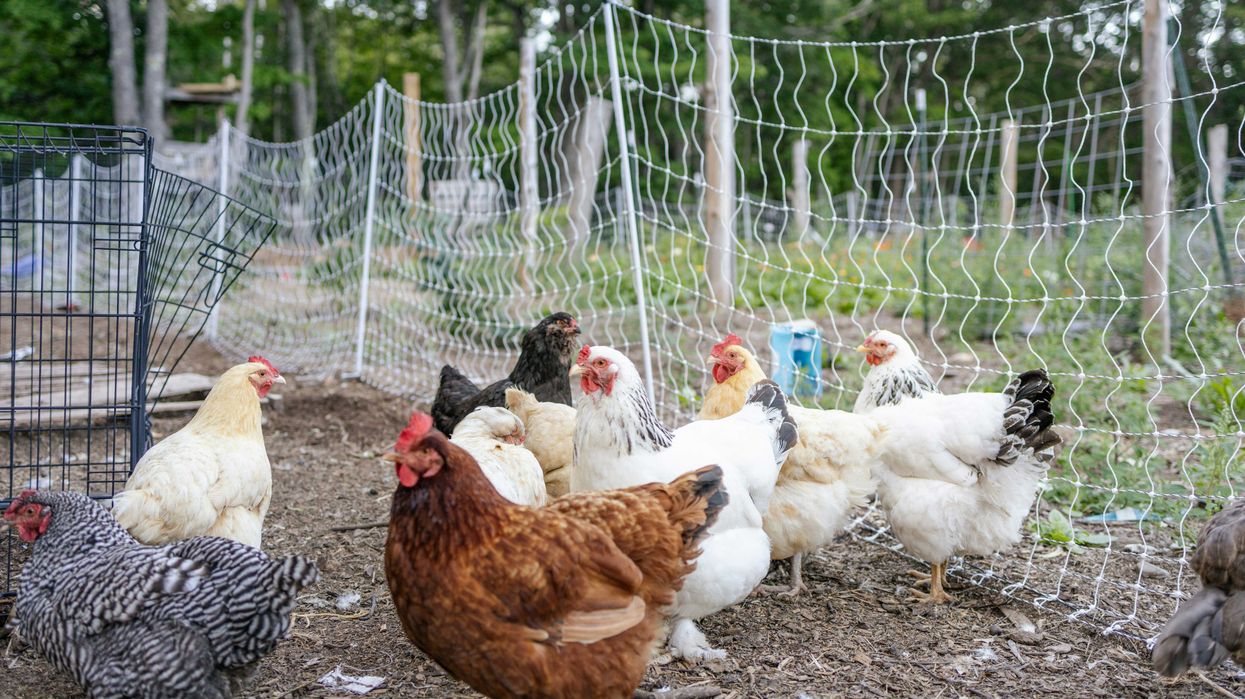

A recent review published in Emerging Contaminants found that eggs from chickens raised near waste disposal sites contained high levels of bromated flame retardants (BFRs), a class of long-lasting toxic industrial chemicals.
In short:
- Eggs from around the world – largely from developing countries – were contaminated with toxic BFR chemicals, including flame retardants that are restricted by regulations (like PBDEs) and newer substitute chemicals created to replace them.
- High levels of BFR contamination were detected in eggs from chickens raised near landfills and locations where e-waste and other types of trash are burned.
- Some eggs were so contaminated that consuming a single egg would exceed the daily intake limit for human exposure.
Key quote:
“For POPs [persistent organic pollutants], the consumption of chicken/eggs is probably the most sensitive exposure pathway from contaminated soil to humans. The Food and Agriculture Organization of the United Nations (FAO) highlighted that contaminated soil is a high risk for global food production.”
Why this matters:
BFRs are a type of persistent organic pollutant (POP) — chemical pollutants that can last in the environment for years and are toxic to both humans and wildlife. Despite this, BFRs are still commonly used in a wide range of everyday products, from electronics to textiles, car upholstery, and furniture. While international regulations like the Stockholm Convention limit the use of some BFRs, the authors of this review point to the need to address gaps in policy that allow many flame retardants to be used without restriction despite evidence of their toxicity.
Related EHN coverage:
- Supposedly “safe” flame retardants become more toxic when they break down
- Flame retardant chemicals linked to increased risk of cancer-related death
- Wildlife across the globe are polluted with flame retardants: Map
More resources: The Green Science Policy Institute provides resources on flame retardants and has worked successfully to change regulations, leading to reduced exposure levels to some toxic flame retardant chemicals.
Petrlik, Jindrich et al for Emerging Contaminants vol. 11, 4. Dec. 2025