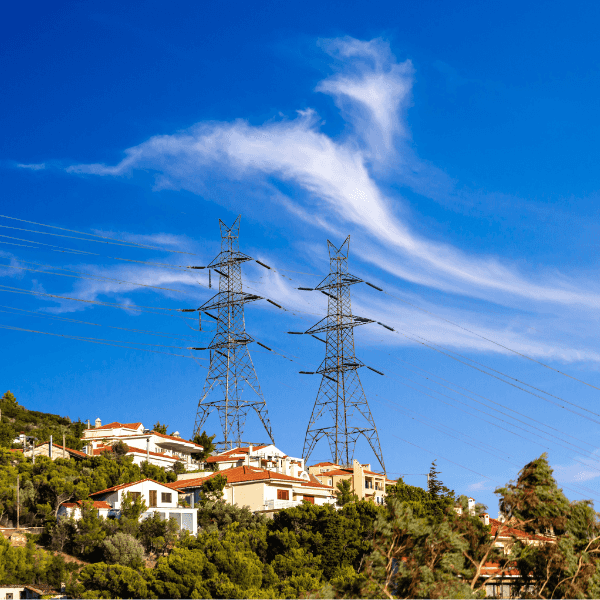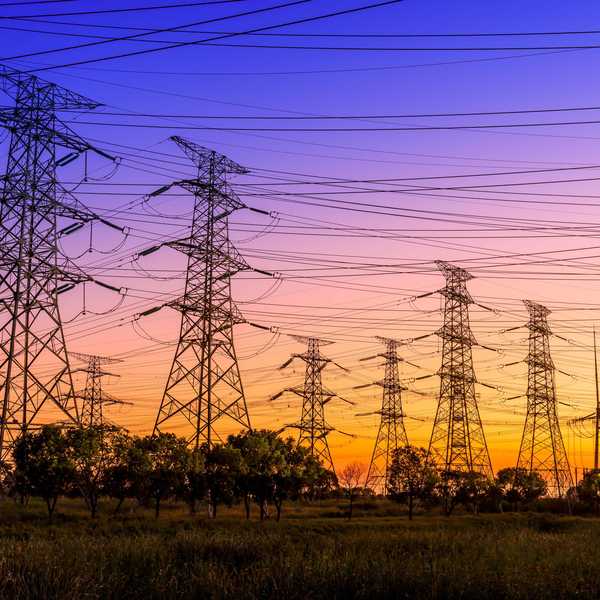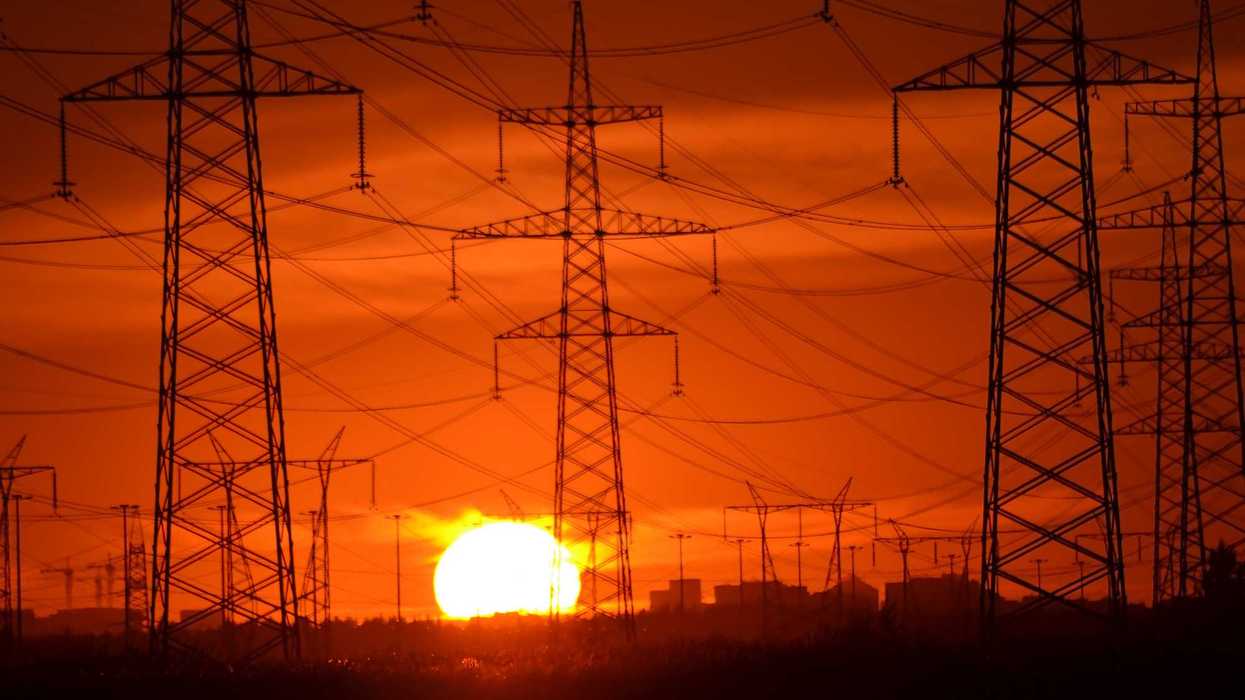

A recent study published in Environmental Research reported an association between exposure to electromagnetic radiation in Mexico City — particularly the extremely low frequency magnetic fields (ELF-MF) produced by power lines and household wiring — and children’s risk for developing central nervous system (CNS) tumors.
In short:
- Residential exposure to ELF-MF (measured in bedrooms) above 0.4 μT was significantly associated with an increased risk of developing CNS tumors.
- Prolonged use of a digital tablet (both with and without internet connection) also increased CNS tumor risk, particularly in children ages 6 - 10.
- More than 5% of children in Mexico City were exposed to ELF-MF levels above 0.3 μT, higher than the global average for exposure.
Why this matters:
Everyday exposure to electromagnetic (EMF) radiation — emitted from power lines and electrical grid infrastructure like substations as well as everyday electronics such laptops, tablets and their charging systems — is steadily increasing in the modern world. While the public has some awareness that homes near high voltage powerlines create EMF exposure, fewer are aware that electronics like tablets, laptops, and phones also create EMF exposures in the body, especially when they are charging.
This study adds to the ever-growing body of science pointing to health risks from EMF exposure. The International Agency for Research on Cancer of the World Health Organization classified ELF-EMF magnetic fields as a “possible” human carcinogen in 2001, based largely on evidence linking residential exposure of 0.3 to 0.4 μT to childhood leukemia. More recent studies continue to show the association. Further, Kaiser Permanente studies report that prenatal ELF-EMF exposure was associated with increased miscarriage risk and also ADHD, obesity, and asthma in children. A review found industry-funded studies more often report “no effect.” When this bias is accounted for, strong evidence links EMF magnetic field exposure to adult leukemia, brain, and breast cancer.
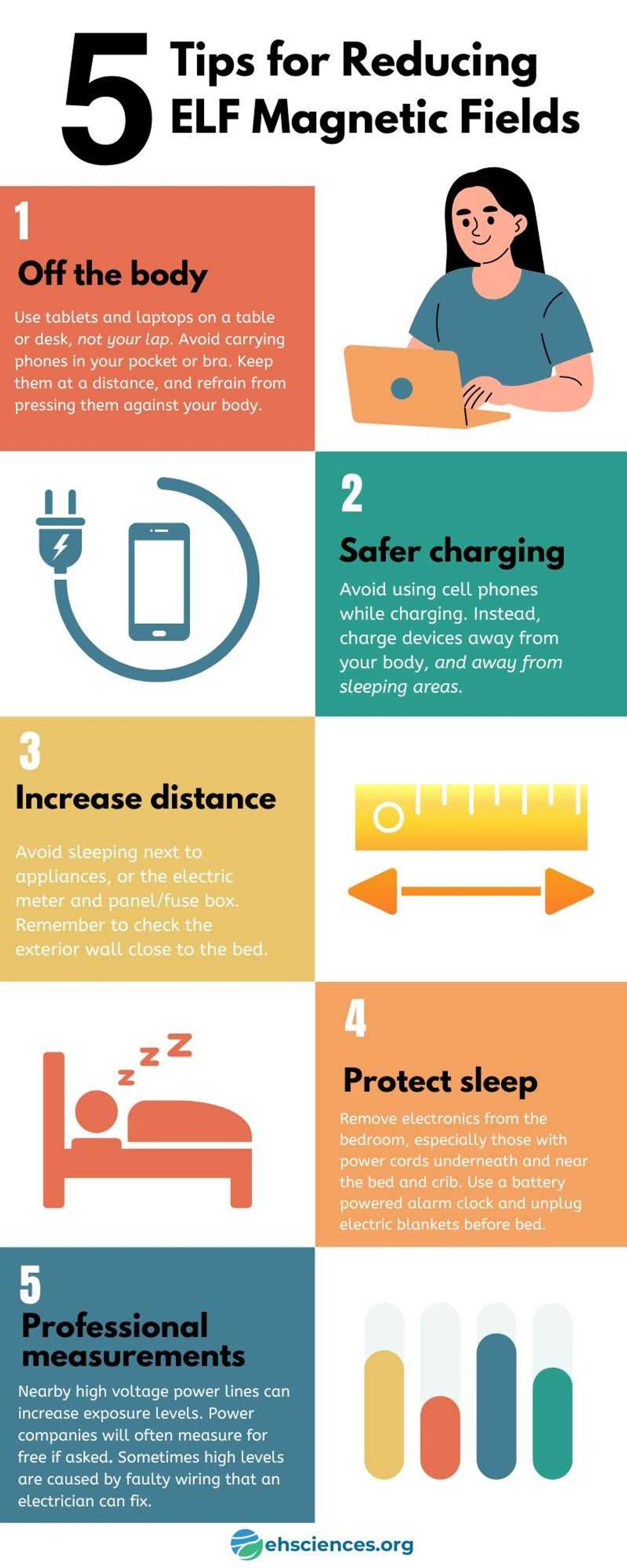
What you can do: On an individual level, you can easily reduce your daily exposures:
- Relocate beds away from electrical panels
- Use tablets and laptops on tables, not on laps
- Charge phones and devices outside of the bedroom, not by the bed
- Do not use a cell phone while it's charging
- Unplug water beds and electric blankets before you get in bed
You can also measure the levels in your home with a basic milligauss meter in order to understand the EMF levels in your home.
Many countries limit ELF-MF exposure in homes and schools due to associations with childhood cancer. The Netherlands, as an example, is buying up homes with elevated levels from powerlines and substations. However, the U.S. has no federal safety limits, as the U.S. Environmental Protection Agency was defunded from EMF research in the 1990s. From a policy perspective, individuals can contact school boards, planning commissions, and utility regulators to request EMF measurements and advocate for risk mitigation siting policies for new schools, childcare centers, and residential developments.
Related EHN coverage:
- Wireless radiation levels in the home linked to neurodevelopmental delays in children
- Laptop use in classrooms increases children’s exposure to wireless radiation, study finds
- Electromagnetic radiation from power lines linked to increased leukemia risk in mice
More resources:
- The Health Effects of EMF, ELF and Magnetic Fields from Power Lines and Electricity
- Science on Children, Cell Phone Radiation and Health Risk
 See more resources at ehsciences.org
- The “twin crises” of high cancer rates and exposure to toxics in Pittsburgh ›
- Plastics cause wide-ranging health issues from cancer to birth defects, landmark study finds ›