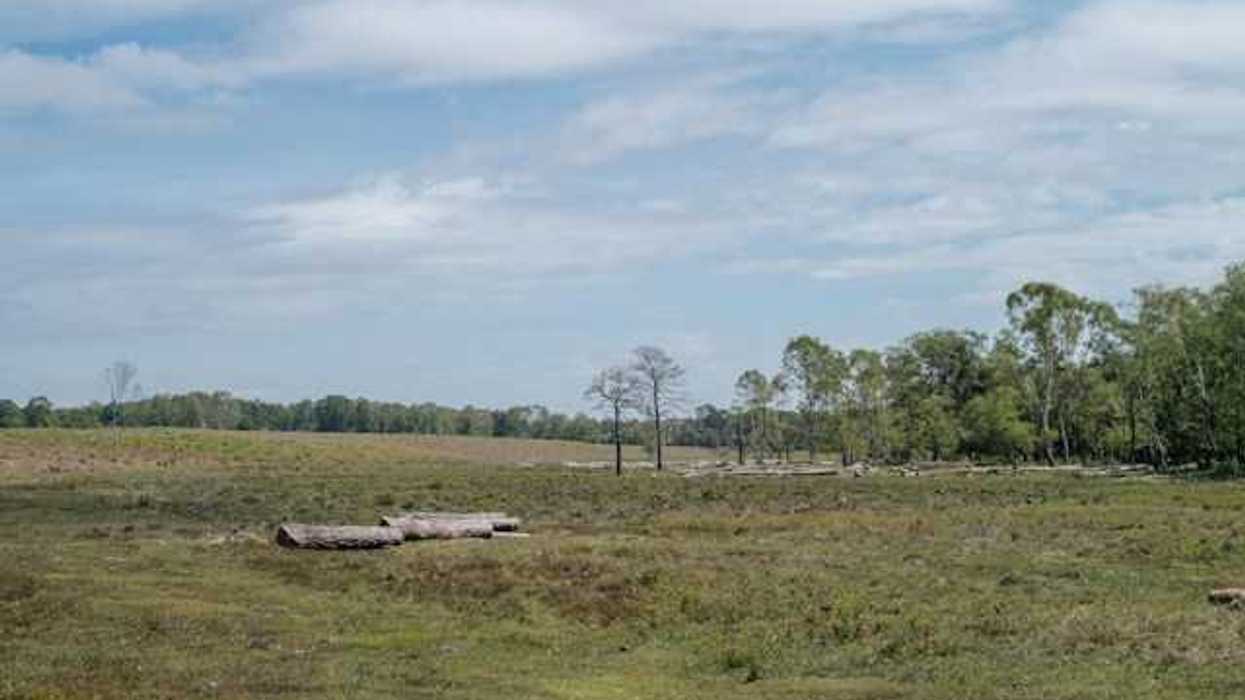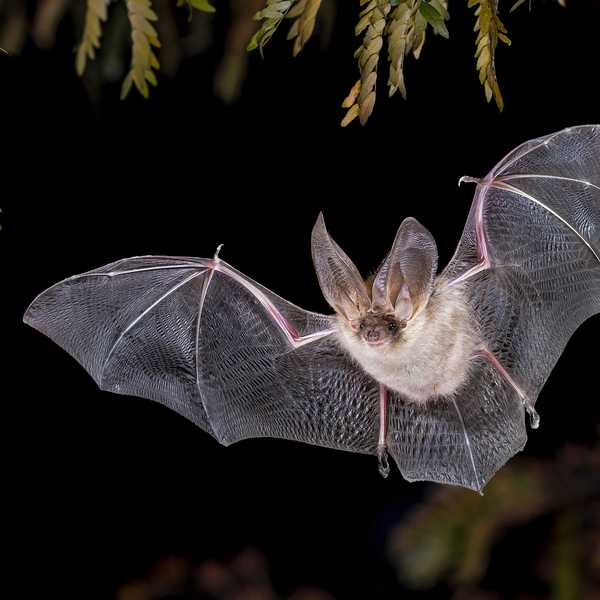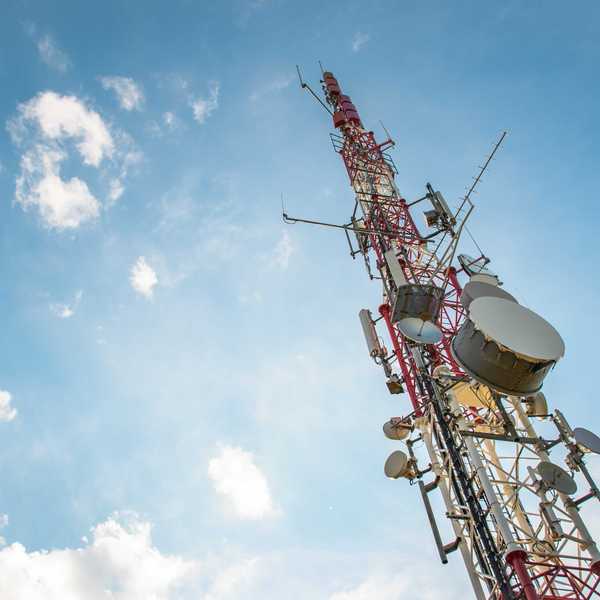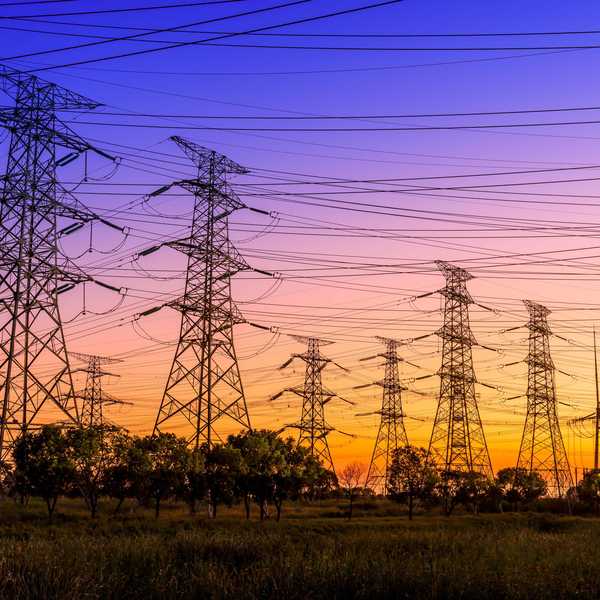

A science and policy review published in Frontiers in Public Health documents how increasing levels of non-ionizing electromagnetic (EMF) radiation in the environment, including the wireless radiation from cell towers, combined with the absence of regulations protecting wildlife from harmful impacts, are “leading to an ecological crisis.”
In short:
- Decades of research report that animals are affected by wireless and EMF radiation even at very low levels of exposure, with impacts including changes to growth, behavior, and reproduction; increases in cancer risk; and cellular, metabolic, and genetic alterations.
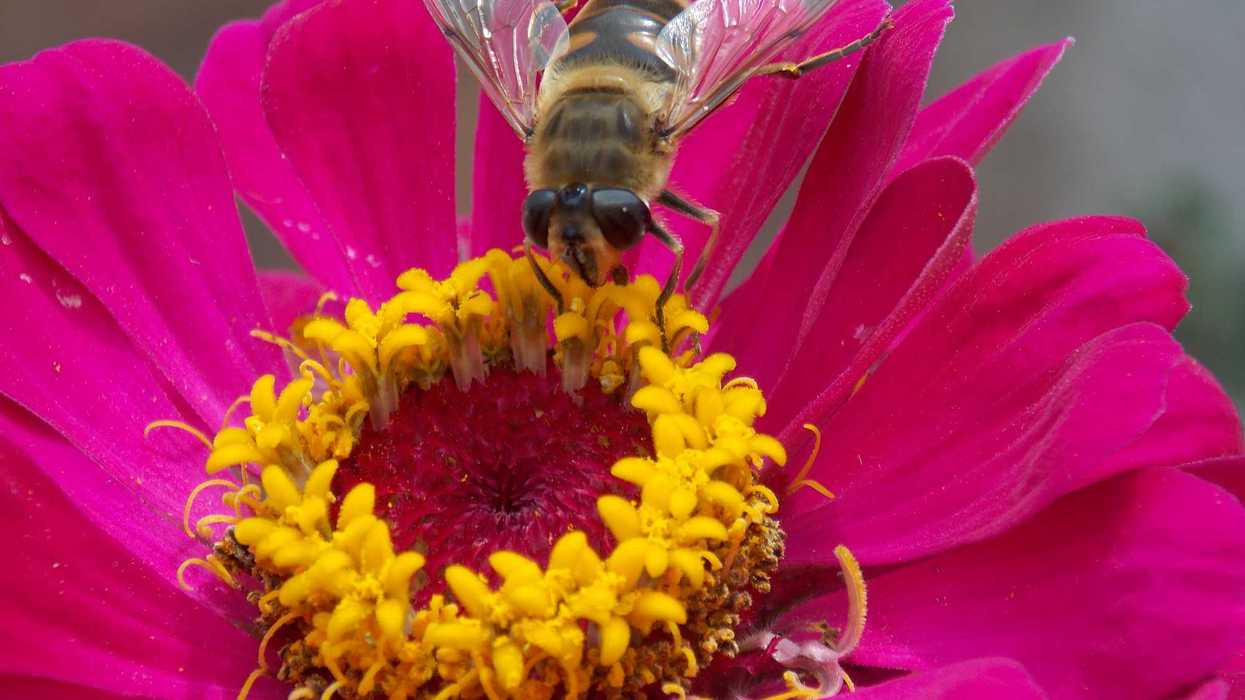
- EMF exposure can adversely affect bees, as studies have found increased mortality, and impaired foraging, memory, and reproduction. Researchers warn that such exposures may be a contributing factor in colony collapse disorder.
- Insect pollinators are also especially vulnerable to the higher frequencies of 5G, as studies found they can absorb substantially more radiation from these frequencies than those used in 2G and 3G networks.
- The authors recommend new regulations designed specifically to protect wildlife and their habitats from wireless radiation, including reducing environmental exposure and creating limits based on current science; robust environmental monitoring, surveillance, and reporting systems; and ensuring that EMFs are included in federal agency conservation efforts.
Key quote:
“Despite the ever-mounting scientific evidence that EMF poses adverse biological risks to myriad flora and fauna, Federal agencies continue to ignore or minimize these impacts, leaving a critical gap in environmental protection.”
About the authors: The authors of this paper include three U.S. experts who previously published a landmark three-part research review in 2021 analyzing more than 1,000 studies that linked environmental EMF to a broad range of biological impacts across a wide range of species. This 2025 paper builds on that body of work, incorporating newer science and strengthening the call for regulatory action.
- Blake Levitt is an award-winning medical and science journalist who has published on the biological effects of nonionizing radiation since the 1970s.
- Dr. Henry Lai is a bioengineering professor emeritus at the University of Washington and former editor-in-chief of the international peer-reviewed journal Electromagnetic Biology and Medicine. Dr. Lai has published over 100 research publications.
- Dr. Albert Manville II is a wildlife biologist who worked at the U.S. Fish and Wildlife Service for 17 years, was the national lead on bird impacts from cell towers and a member of the Steering Committee for the Endangered Species Coalition. Dr. Manville has served as a senior lecturer at John Hopkins University for over 20 years and has testified before Congress over 40 times.
The paper is also co-authored by Theodora Scarato, MSW, Director of the Wireless and EMF Program at Environmental Health Sciences.
Why this matters:
Environmental exposures to cell tower radiation and other non-ionizing electromagnetic fields (EMF) is increasing rapidly as wireless networks and the electrical infrastructure needed to power modern technology expands. The proliferation of cell towers, 5G networks, data centers, electrical substations, and high-voltage power lines — particularly those supporting AI data centers — has dramatically increased background EMF levels in natural habitats. This has resulted in chronic, low-level exposures for wildlife and ecosystems without adequate evaluation of ecological impacts. With birds and bees declining worldwide, the paper proposes clear steps the U.S. government can take to address this critical regulatory gap.
Levitt, Blake et al. for Frontiers in Public Health vol. 13. Nov. 18, 2025
Related EHN coverage:
- New study shows insects highly absorb 5G frequencies
- Major WHO-backed study: high certainty that wireless radiation causes cancer in animals
More resources:
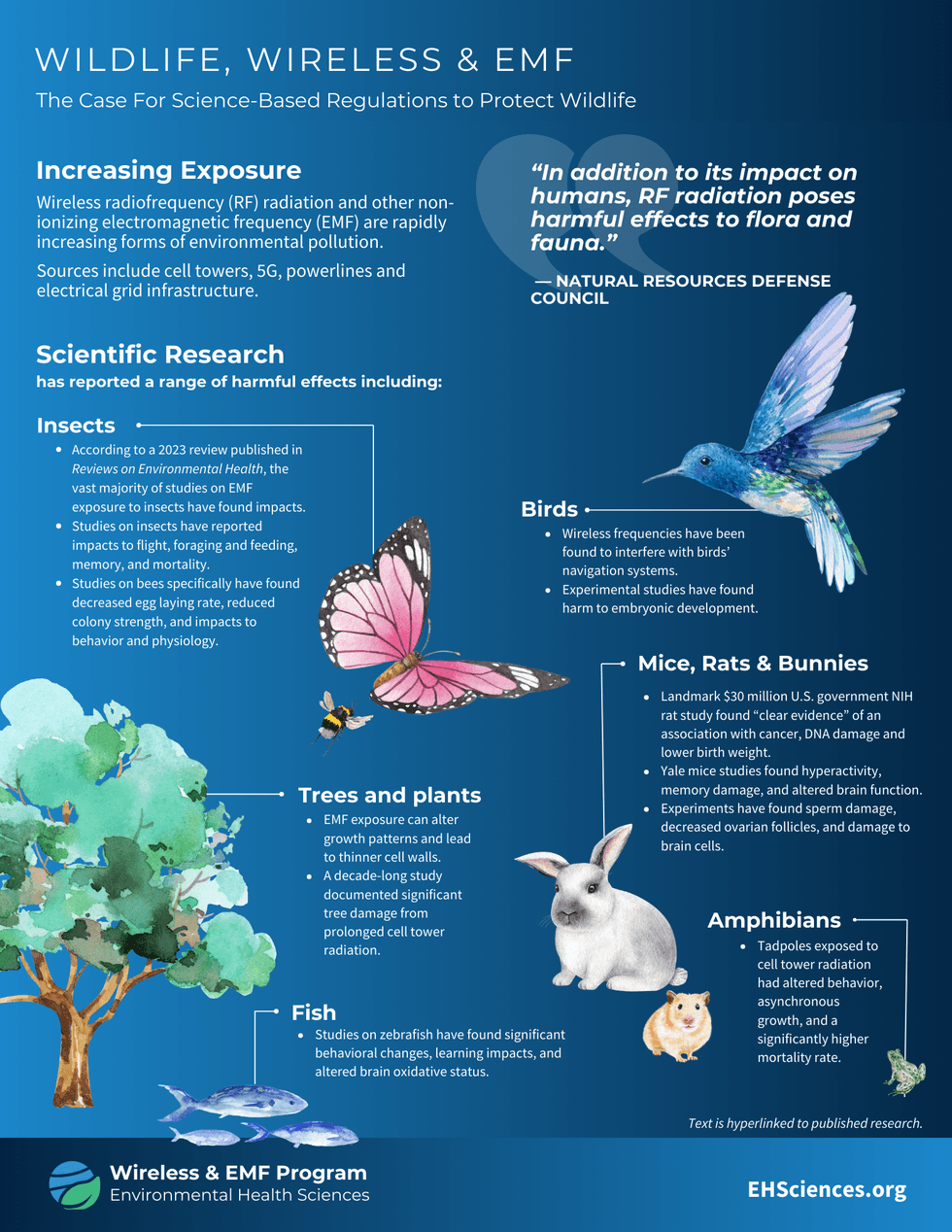 https://ehsciences.org/wp-content/uploads/2025/12/Wildlife-Wireless-Fact-Sheet.pdfWildlife & Wireless Radiation Fact Sheet