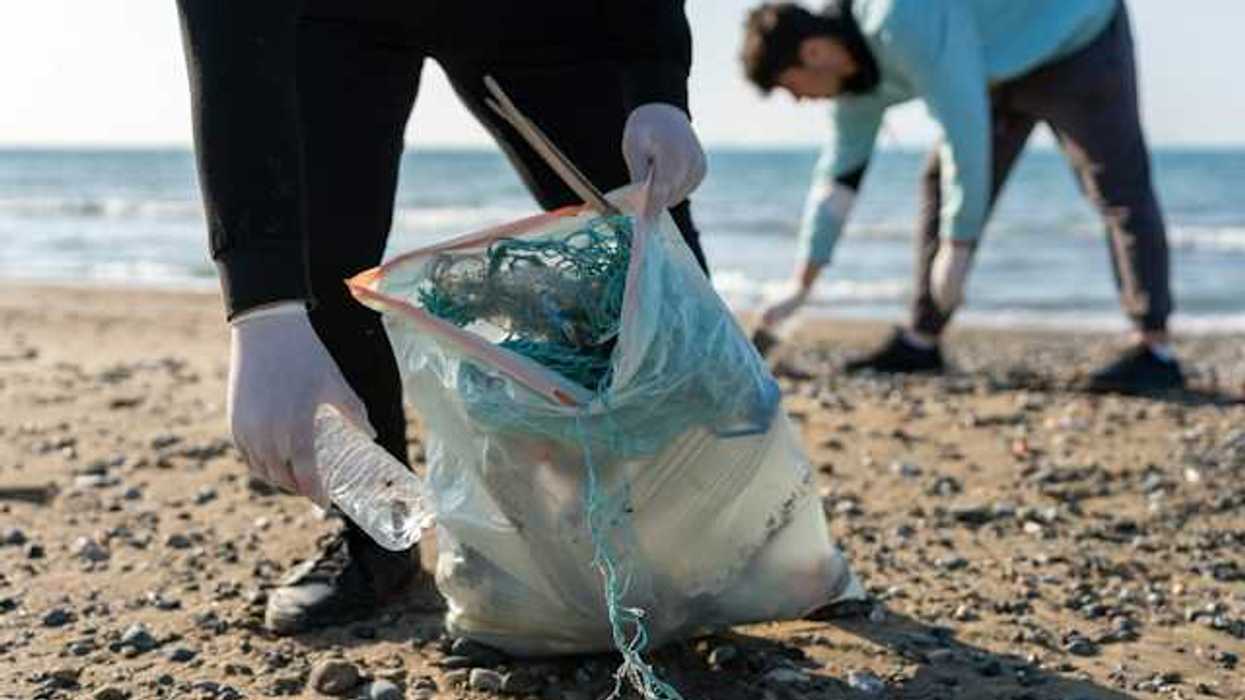
Organizers across the U.S. are ramping up local efforts to combat plastic pollution amid mounting concerns that the incoming Trump administration will ease industry regulations.
Derek Seidman reports for Truthout.
In short:
- The plastics industry promotes chemical recycling as a solution, but critics say it worsens pollution and produces toxic waste.
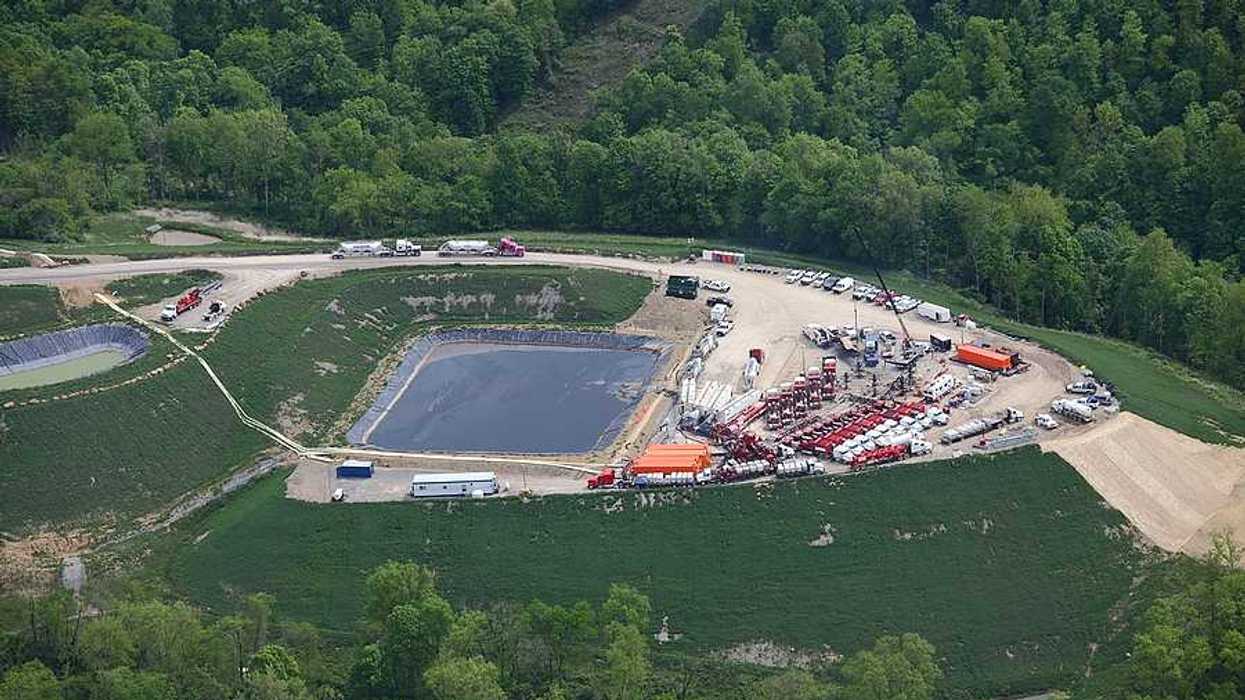
- Communities near petrochemical plants, such as Port Arthur, Texas, suffer disproportionate health impacts, including elevated cancer risks.
- Grassroots groups are focusing on state-level efforts like plastic bag bans and stricter pollution monitoring, viewing local organizing as key to pushing back.
Key quote:
“The plastics industry has a lot of political influence and resources, but we are countering that with grassroots organizing. The antidote to despair is activism.”
— Judith Enck, founder of Beyond Plastics
Why this matters:
Plastic production, fueled by the fossil fuel industry, drives environmental and health crises, disproportionately harming low-income and marginalized communities. With federal rollbacks looming, grassroots movements may be the most effective way to hold polluters accountable.
Related: