For decades, the U.S. military left behind hazardous waste on St. Lawrence Island, Alaska, contaminating land and water used by Indigenous Yupik communities — now, advocates are urging the United Nations to hold the U.S. accountable.
Anita Hofschneider reports for Grist.
In short:
- The U.S. military abandoned toxic waste, including mercury and PCBs, at former Air Force and Army sites on Sivuqaq (St. Lawrence Island), despite a 1951 agreement prohibiting pollution.
- The Alaska Community Action on Toxics, in partnership with the University of California, Berkeley, filed a complaint with the UN special rapporteur on toxics and human rights, arguing the contamination violates Indigenous rights.
- Studies show ongoing pollution, with 89% of local fish containing unsafe mercury levels, yet federal cleanup efforts remain insufficient.
Key quote:
“It’s not a matter of if we’ll get cancer, but when.”
— Viola Waghiyi, Yupik environmental health and justice advocate
Why this matters:
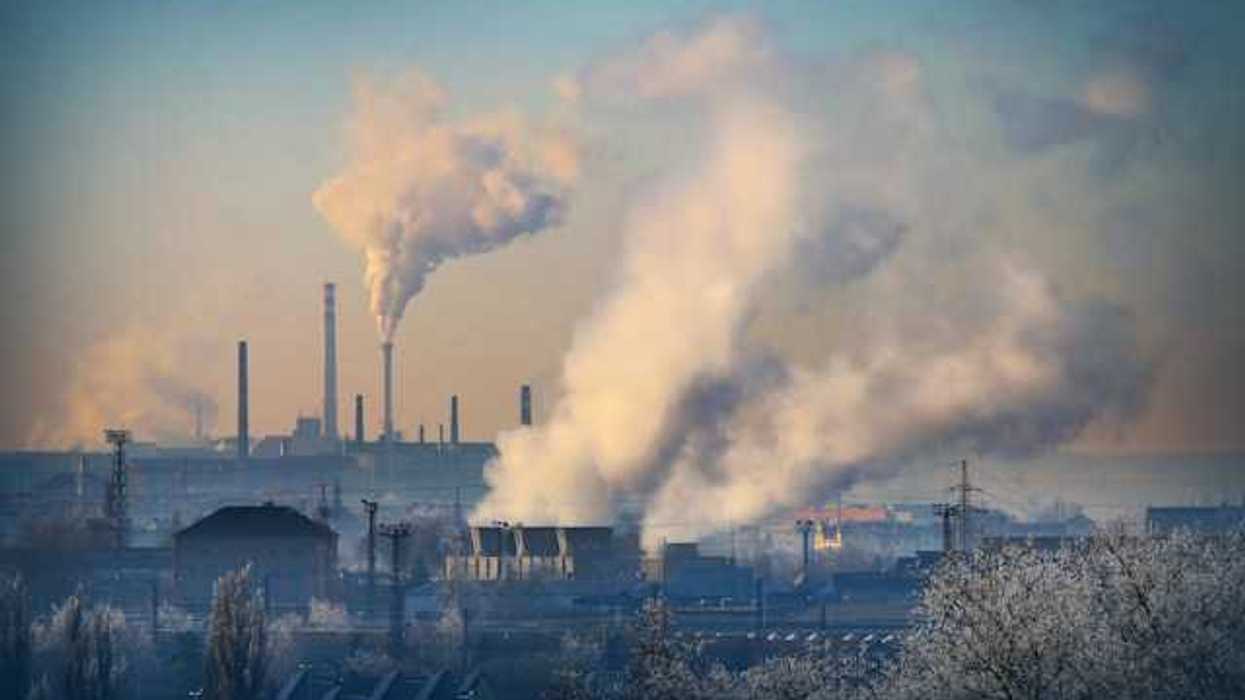
The environmental legacy of military contamination is an unfolding crisis for Indigenous communities, where pollution from past operations continues to shape lives through generations. On St. Lawrence Island in Alaska, toxic remnants from Cold War-era military installations linger in the land and water, disrupting the health, traditions, and food sources of the Yupik people.
This is not an isolated case. Across the globe, Indigenous lands have borne the brunt of military activities — from nuclear testing in the Marshall Islands to chemical pollution in Guam — leaving behind a toxic inheritance. For the Yupik people, the irony is bitter. Many of their ancestors aided the U.S. military during World War II and the Cold War, only to see their homeland poisoned in the aftermath. Their struggle reflects a broader pattern: Indigenous communities worldwide remain on the frontlines of environmental injustice, long after the battles have ended.