
Scientists have developed a new material made from cellulose that matches some performance traits of fossil fuel-based plastics while remaining highly recyclable, according to a new study published in Science Bulletin.
In short:
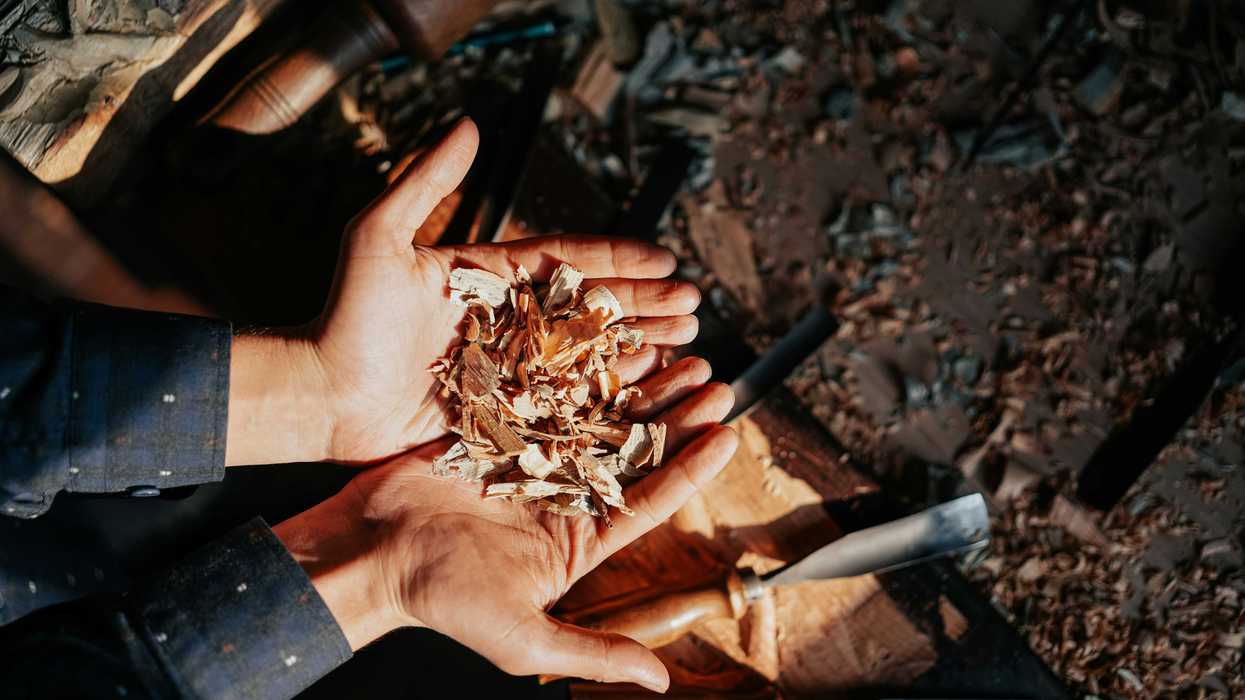
- “Celluplastic” is a film made of wood-derived cellulose that is transparent, colorless, and stretchable, unlike many existing bioplastics.
- In laboratory tests, celluplastic matched fossil-fuel derived plastics in terms of strength and resistance to strain.
- Celluplastic can be recycled via a water-based process for over 100 cycles without losing its stretchability or strength.
- Celluplastic is limited to applications where direct or prolonged exposure to water is not required, and is currently only produced at the lab scale for now.
Key quote:
"Although the celluplastic is sensitive to water due to the hydrophilic cellulose backbone...water sensitivity represents a trade-off between service stability and end-of-life recyclability.”
Why this matters:
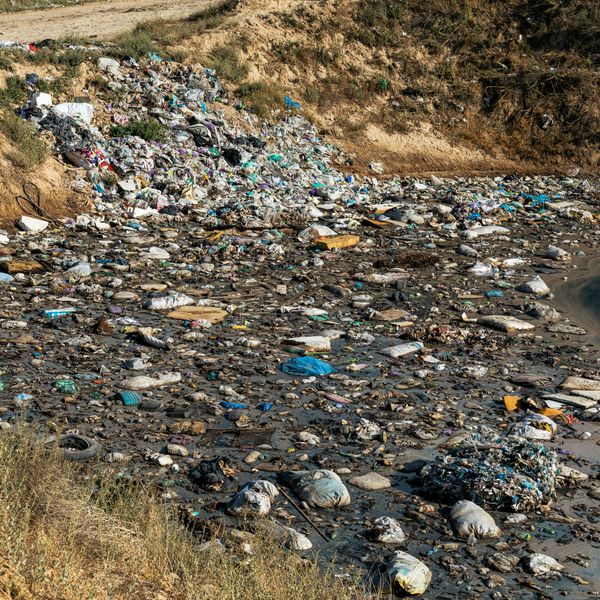
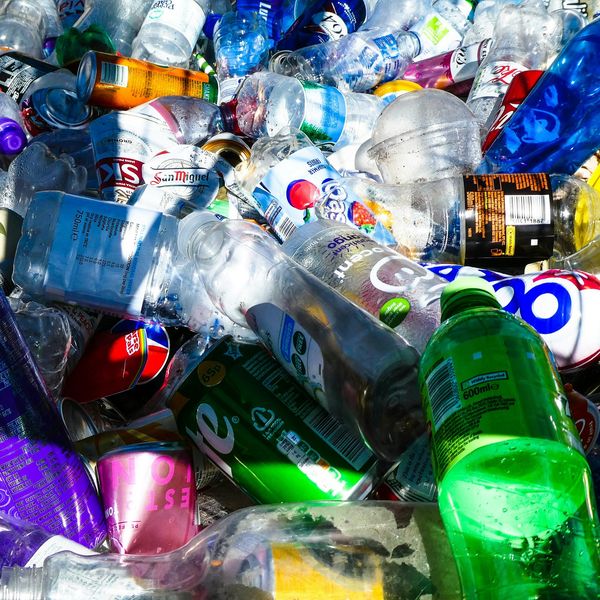
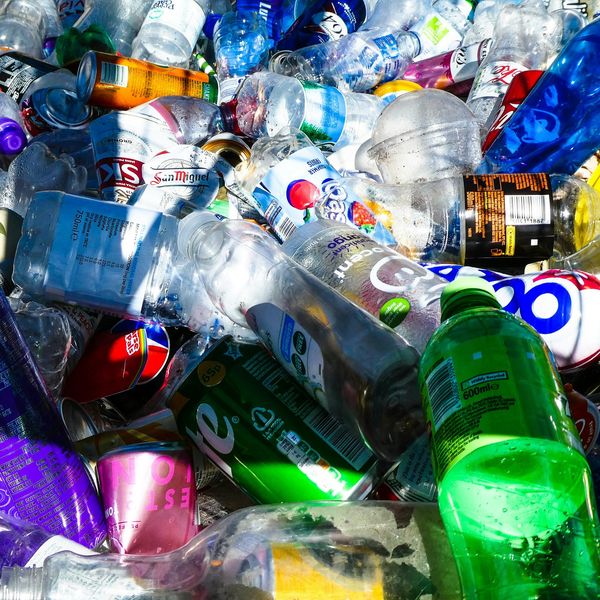
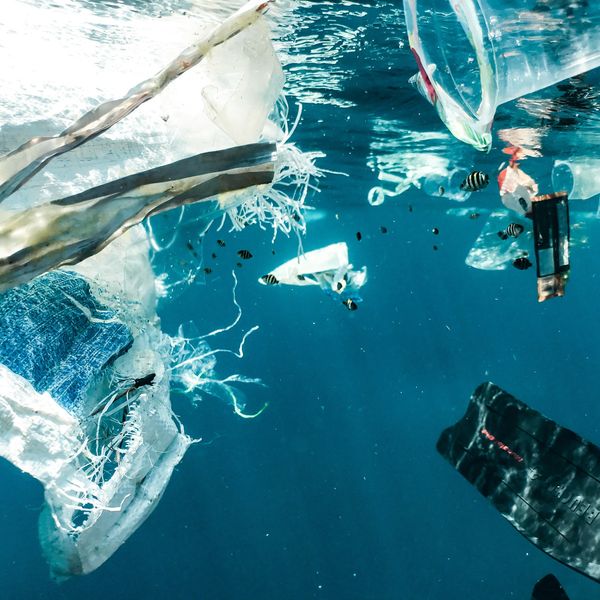
There are an estimated 57 million tons of plastic pollution generated globally each year, and plastic production is projected to continue to increase rapidly over the next few decades, reaching more than an estimated 2.5 trillion pounds by 2060. Regulations to decrease the production of fossil-fuel based plastics are imperative in order to meaningfully tackle the massive public health burden of plastic, and the full environmental footprint of any emerging alternative materials must be considered through rigorous lifecycle assessments, including production energy and chemical inputs.
Related EHN coverage:
- New research affirms sustainable design principles can lead to safer chemical alternatives
- New database identifies potential alternatives for PFAS
More resources:
- European Commission: Safe and Sustainable by Design framework
Sun, X. et al. (2026). Sustainable closed-loop recyclable bioplastics. Science Bulletin.
- Plastic alternatives face high costs and practical hurdles despite growing demand ›
- Plastic treaty talks face mounting industry influence as nations split on production cuts ›
- Bioplastics: sustainable solution or distraction from the plastic waste crisis? ›
- Every stage of plastic use — from production to disposal — harms human health ›