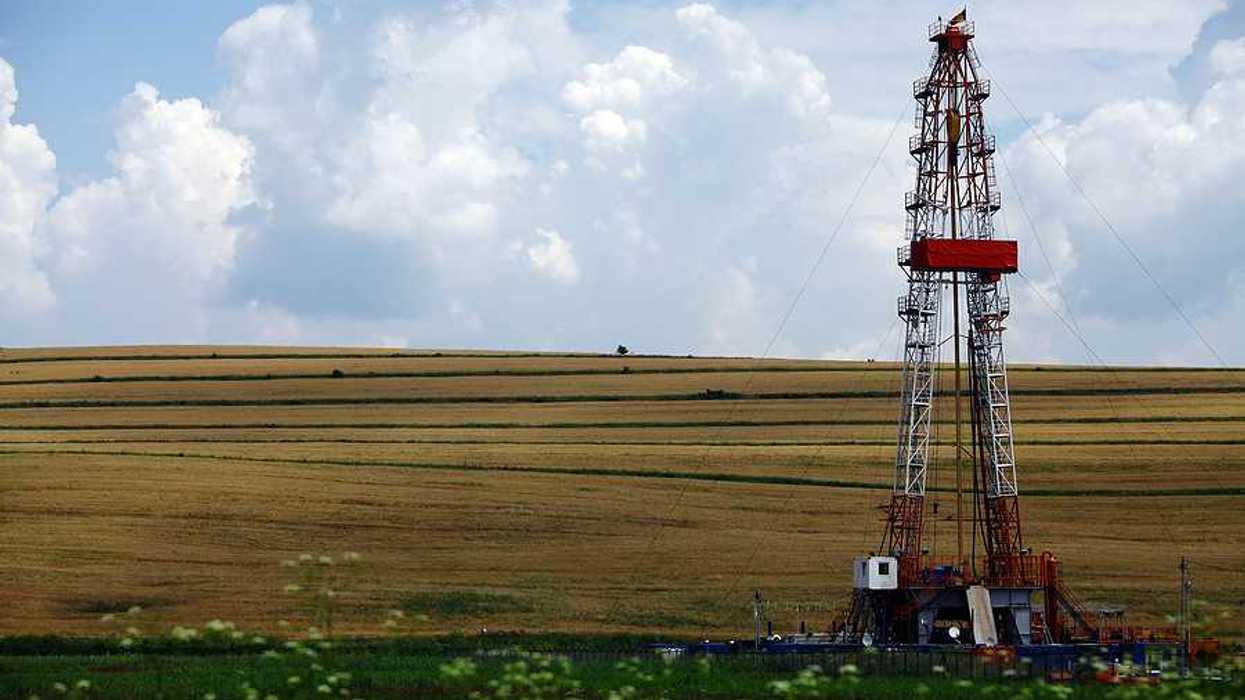
Chevron has completed a $49 billion expansion at Kazakhstan's Tengiz oil field, increasing production to nearly one million barrels a day, even as the world moves toward cleaner energy.
Stanley Reed reports for The New York Times.
In short:
- Chevron expanded the Tengiz oil field, one of the world’s largest, boosting output by 40% to about 1% of global oil supply.
- The expansion, essential to Chevron and Kazakhstan’s economy, faced challenges including geopolitical tensions and the pandemic.
- Most oil from Tengiz is exported via Russia, making it vulnerable to geopolitical risks.
Key quote:
“We know that the global demand for oil is going to continue to grow. It’s quite a remarkable oil field and one that will produce for decades to come.”
— Clay Neff, president of Chevron international exploration and production
Why this matters:
The Tengiz project could add downward pressure to oil prices as markets adjust to shifting consumption patterns. While demand for oil remains strong in some regions, the broader trend toward electrification and carbon reduction has begun to alter the energy market's long-term dynamics. It raises questions about the financial wisdom of doubling down on fossil fuels in a world gradually turning its back on them.
Related: Big oil companies report soaring profits and increased production