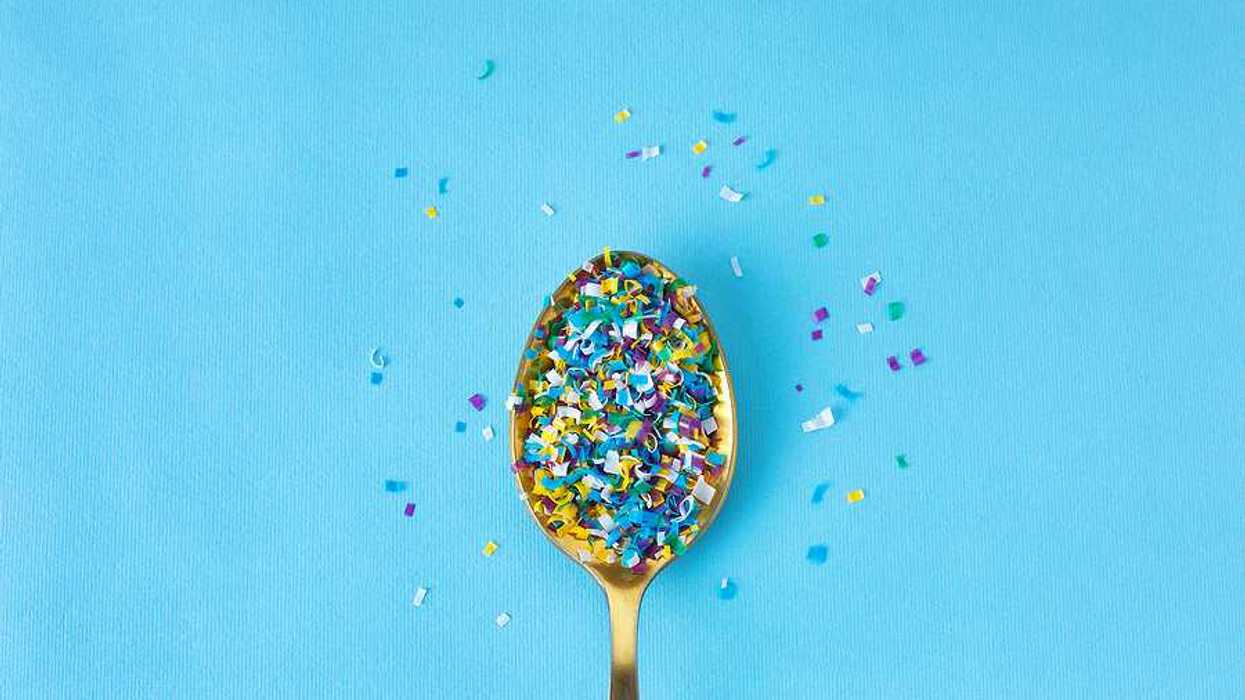
Chewing popular brands of gum releases hundreds of microplastic particles into the mouth within minutes, according to new research presented at a major science meeting.
Douglas Main reports for The New Lede.
In short:
- Scientists chewed 10 major brands of gum and found over 600 microplastic particles per gram released into saliva.
- Even “natural” gums made with tree-based resins shed plastic particles, likely from manufacturing.
- The U.S. Food and Drug Administration has no limits for microplastics in food and maintains current evidence doesn’t show harm, though some studies suggest potential links to health risks.
Key quote:
“We need to be aware that these gums are releasing plastics into our body.”
— Sanjay Mohanty, professor at the University of California Los Angeles and study co-author
Why this matters:
A new study has added chewing gum to the growing list of everyday products linked to microplastic exposure, raising fresh concerns about what we’re putting into our bodies without even realizing it. Researchers found that certain gums can shed tiny plastic particles as they’re chewed, contributing to the accumulation of microplastics in the human body — a trend that has alarmed scientists as these particles show up in everything from blood to vital organs. While gum isn’t the only culprit, its popularity and frequent use make it a noteworthy contributor.
Microplastics have become nearly impossible to avoid, showing up in water, food, air, and now in some of the most mundane habits. Early research is linking specific types of microplastics to cardiovascular health risks, including higher chances of heart attack and stroke. The potential health effects, still under investigation, remain largely unknown — particularly concerning for vulnerable groups like children or those with existing conditions. As evidence builds, chewing gum may become another symbol of how deeply plastic has permeated daily life, and how much we still don’t know about the consequences.
Related: Microplastics permeate food and air across the globe