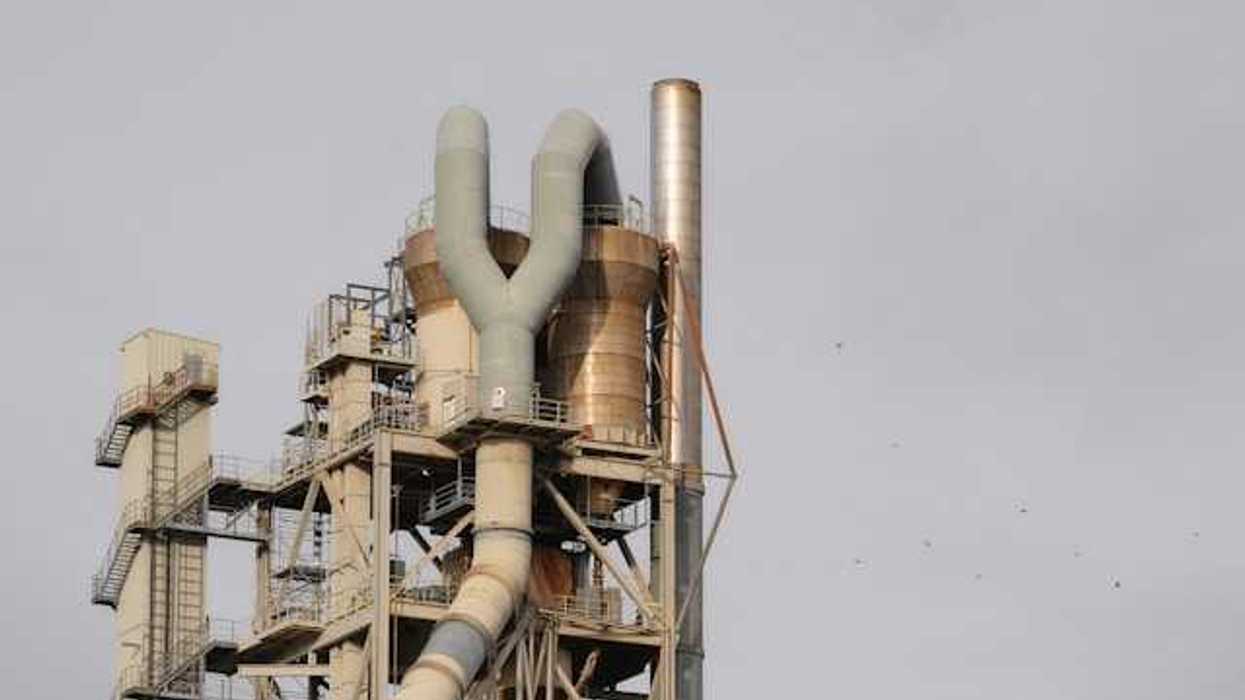
Regulators in Michigan have routinely allowed industrial polluters to use distant or cleaner-location air quality monitors in permit applications, raising concerns that the true level of factory-related air pollution is being hidden from public view.
Tom Perkins reports for The Guardian.
In short:
- From 2014 to 2024, over 90% of Michigan air pollution permits used air quality data that violated U.S. Environmental Protection Agency best practices, often relying on monitors tens to hundreds of miles away from proposed industrial sites.
- Facilities including a Stellantis plant in Sterling Heights, a Gerdau Steel facility in Monroe, and a proposed Edward C. Levy site in Detroit sidestepped nearby monitors and used cleaner data from rural or distant locations, often with the state’s approval.
- Public health advocates say the Michigan environment department (EGLE) and the U.S. EPA have allowed a pattern of weak oversight and opaque permitting that leaves communities, especially in polluted urban zones, unprotected.
Key quote:
“It’s easy to get lost in the arcane details of all of this, but at the end of the day we’re talking about pollution that is really bad for people. And it has real impacts on real people.”
— Seth Johnson, attorney with Earthjustice
Why this matters:
The accuracy of air pollution data used in permitting decisions has a direct impact on the health of millions of Americans living near industrial sites. Fine particulate matter and gases like nitrogen dioxide, often released by factories and power plants, are linked to asthma, heart disease, cancer, and shortened lifespans. Yet when states like Michigan allow companies to use air quality data from locations far from the actual emission source — sometimes hundreds of miles away — true pollution levels remain unknown. This disproportionately affects low-income and minority communities already burdened by higher exposure. Weak oversight and a lack of local monitoring mean people may be breathing air that violates federal safety standards, with little recourse or even awareness.
Related: A new monitor could revolutionize the way air pollution is regulated