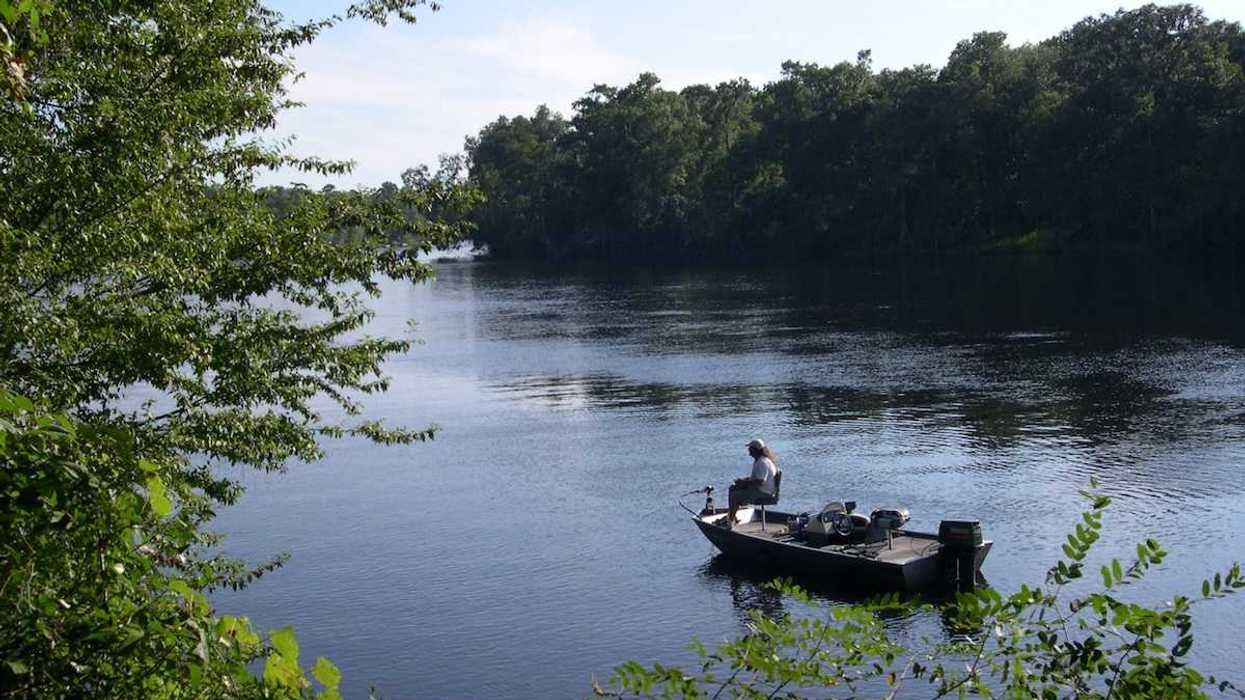
New research shows that farm runoff in California's Salton Sea may be fueling toxic microbes, worsening air quality for nearby communities.
Virginia Gewin reports for Civil Eats.
In short:
- Agricultural runoff into the Salton Sea feeds extreme microbes that release harmful compounds like hydrogen sulfide and toxins into the air.
- The surrounding communities, mainly farmworkers, experience respiratory issues, with asthma rates reaching 24% compared to the national average of 7.7%.
- Wind-blown lake spray carries microbe-produced toxins, exposing about 650,000 residents in nearby counties to health risks.
Key quote:
“At the root of a lot of the [Salton Sea] difficulties are nutrient inputs that are coming in from agriculture.”
— Tim Lyons, geochemist at UC Riverside
Why this matters:
Farm runoff creates conditions that harm air quality and public health. The region's largely migrant and farmworker population faces disproportionate health impacts. Improved water quality monitoring and stricter nutrient regulations are needed to protect these vulnerable communities.
Related EHN coverage: Soils reveal a hidden cost of farming and fertilizers