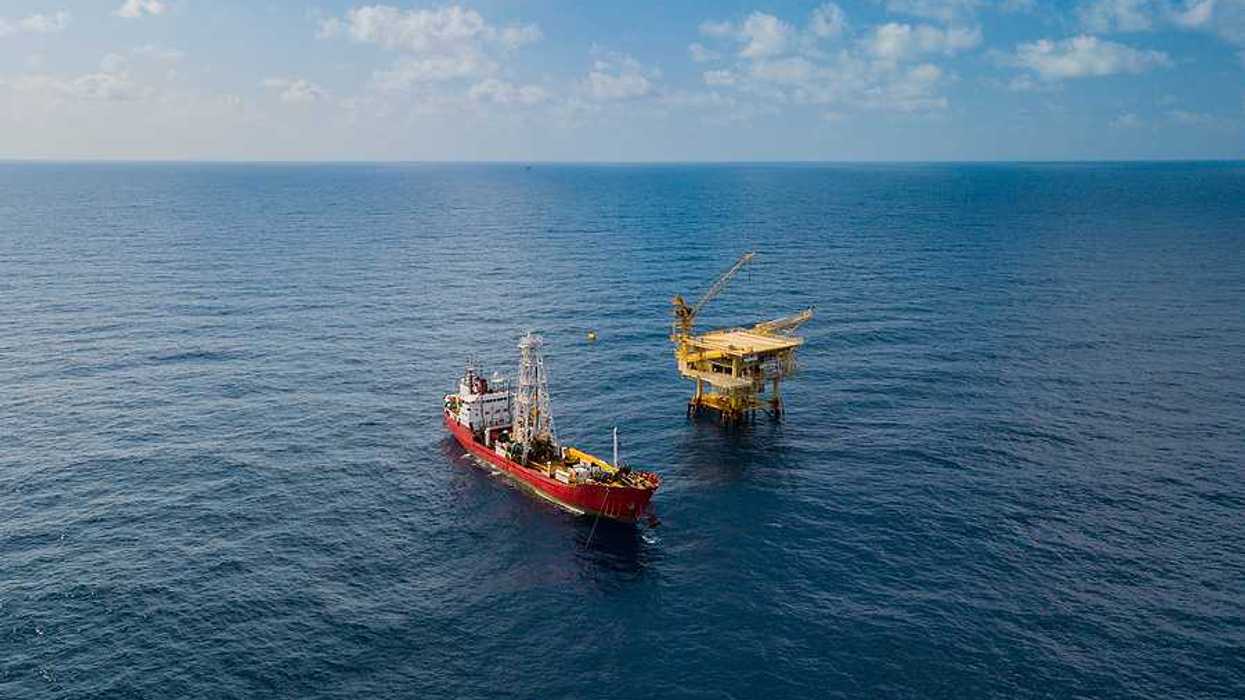
Commercial fishermen across the U.S. say budget cuts have frozen or rescinded federal grants meant to help them upgrade to cleaner, lower-emission equipment, leaving many financially stranded.
Patrick Whittle reports for The Associated Press.
In short:
- Fishermen and seafood processors were counting on federal grants to replace diesel engines and upgrade refrigeration systems, but funding has been cut or put on hold.
- The Department of Government Efficiency, created under the Trump administration, has targeted U.S. Department of Agriculture and Environmental Protection Agency budgets, affecting decarbonization efforts in the seafood industry.
- Many fishermen are left with unexpected costs, struggling to move forward with projects that were supposed to reduce emissions and improve efficiency.
Key quote:
"They’ve started contacting me in the last couple of weeks because they’ve had the plug pulled on money that was already committed. If they miss a season they could go out of business."
— Sarah Schumann, Rhode Island fisher and director of the Fishery Friendly Climate Action Campaign
Why this matters:
The fishing industry, often viewed through the lens of sustainability and overfishing concerns, also has a significant carbon footprint. Diesel-powered vessels, refrigeration needs, and processing operations contribute to greenhouse gas emissions, making modernization a priority for those pushing for a more climate-friendly seafood supply chain.Yet, transitioning to cleaner technology — whether hybrid engines, electrification, or alternative fuels — comes at a steep cost. Many small- and mid-sized fishing operations rely on federal grants or low-interest loans to upgrade their fleets. Without those promised funds, they find themselves in a precarious position: unable to afford new technology but facing growing pressure to cut emissions.
This struggle plays out against the backdrop of a rapidly warming planet. Record-breaking ocean temperatures threaten fish stocks and disrupt marine ecosystems, making it all the more urgent to reduce the industry’s environmental impact. But if funding dries up, the consequences could go beyond stalled progress. Some businesses, already operating on razor-thin margins, may not survive the transition at all.
Related: US ocean protection plan includes commercial fishing areas, sparking debate