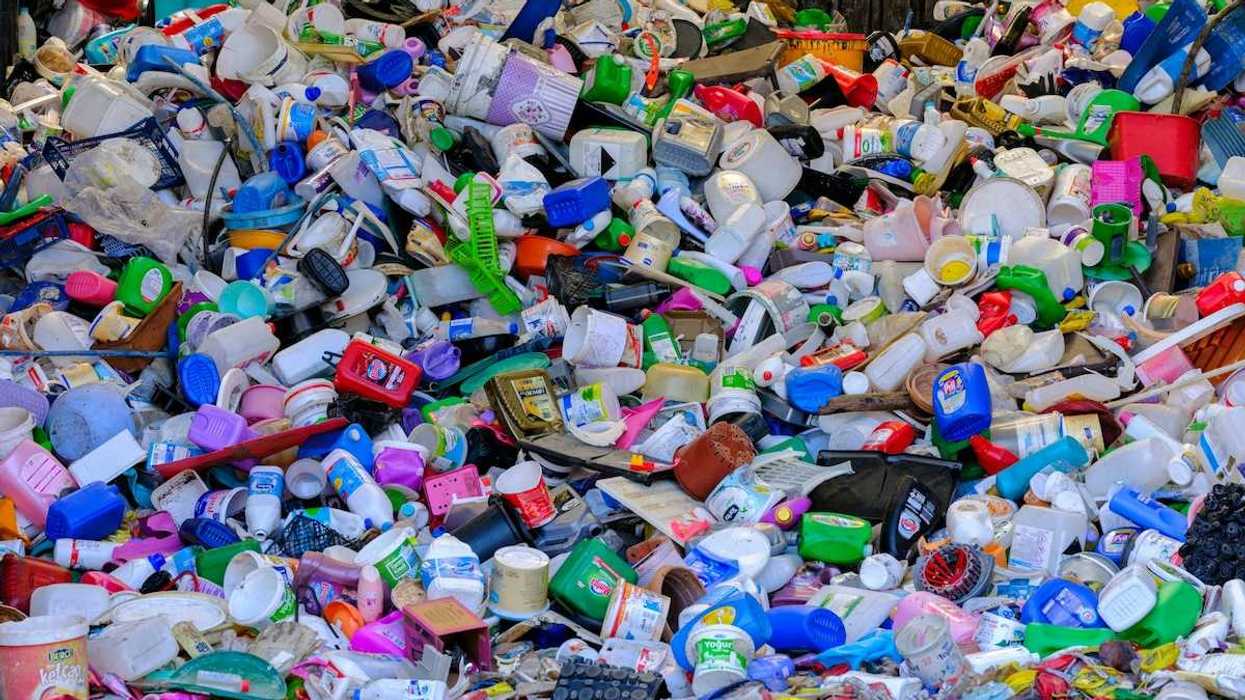
Tourism and toxic waste collide in the Gambia as the government attempts a decade-long plan to reduce plastic pollution by 86%.
Caitlin Kelly reports for The Guardian.
In short:
- The Gambia’s National Action Plan aims to tackle plastic waste with infrastructure upgrades, stricter enforcement and public awareness campaigns.
- Informal waste pickers rely on plastic collection for income, raising concerns about economic impact if plastic use decreases.
- The $6 million plan faces challenges, including financing and effective implementation in a country where 84% of plastic waste is mismanaged.
Key quote:
“Our water bodies, our rivers, our oceans are choking. The amount of plastic we see daily is unacceptable.”
— Lamin Jassey, environmentalist
Why this matters:
Plastic pollution harms the environment, marine life and public health, with toxic fumes from burning waste causing illness. Effective solutions are critical for countries like the Gambia, where livelihoods depend on waste collection, and ecosystems are at risk from unchecked pollution.
Learn more: Plastics industry’s support for waste pickers is often superficial