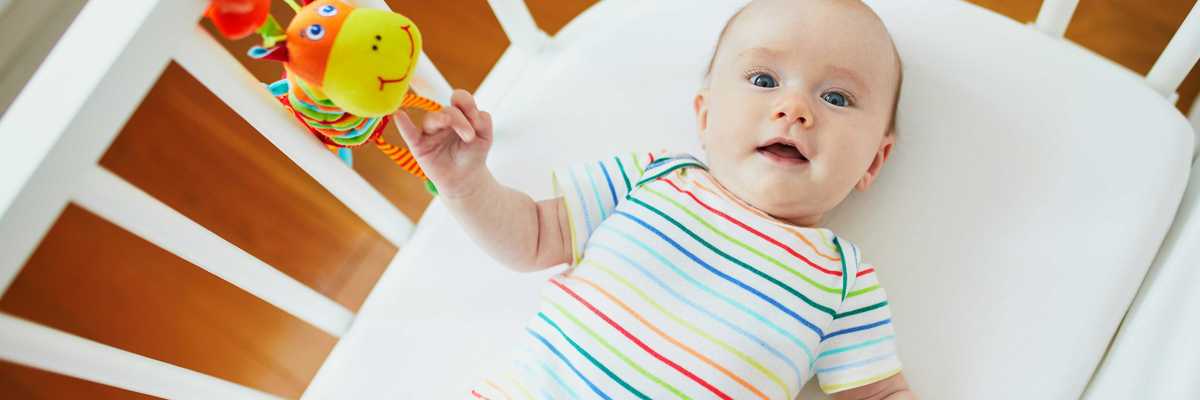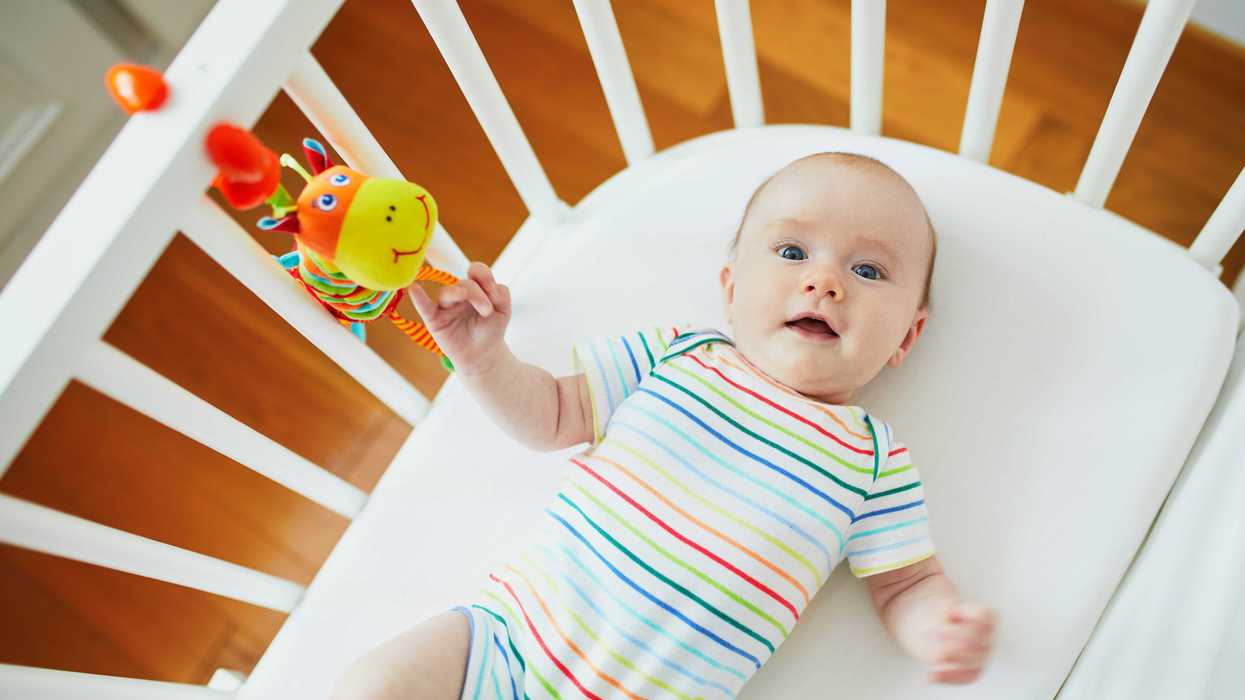

According to a 2025 study published in Environmental Science & Technology, children’s mattresses release harmful chemicals that can contaminate infants’ sleeping environments — where they typically spend a large portion of their time.
In short:
- 21 toxic chemicals were released by the mattresses tested, including multiple phthalates, flame retardants, plasticizers and other chemicals associated with endocrine disruption, neurotoxicity, and reproductive harm.
- These chemicals were not necessary to meet relevant flammability regulations, and in some cases exceeded regulatory limits for countries where the mattresses were sold.
- Weight, body temperature, and movement increased the release of toxic chemicals, implying exposures are higher when the mattresses are in use.
Key quote:
“These regulatory gaps and lack of manufacturers’ oversight cannot be filled by consumer choice since labeling is not mandatory, and further, many consumers, especially those with lower incomes, do not have the ability to choose.”
Why this matters:
Children are more vulnerable to toxic chemical exposures for many reasons: their developing bodies are more sensitive to disruption, their skin is more absorbant, they inhale more often, and they are more likely to put their hands and objects in their mouths. When mattresses and other household products release toxic chemicals, they migrate to the surrounding air, dust, and surfaces, exposing children through the items they interact with and even the air they breathe. The authors of this study emphasize the need for stronger regulations and stricter oversight of manufacturer’s use of harmful chemicals.
Related EHN coverage:
- Regulatory changes help reduce human exposure to toxic flame retardant chemicals
- Pacifiers can be a source of BPA exposure, even when marketed as “BPA-free”
More resources:
- Green Science Policy Institute: Children Exposed to Brain-Harming Chemicals While Sleeping
Vaezafshar, Sara et al. (2025). Are Sleeping Children Exposed to Plasticizers, Flame Retardants, and UV-Filters from Their Mattresses? Environmental Science & Technology.