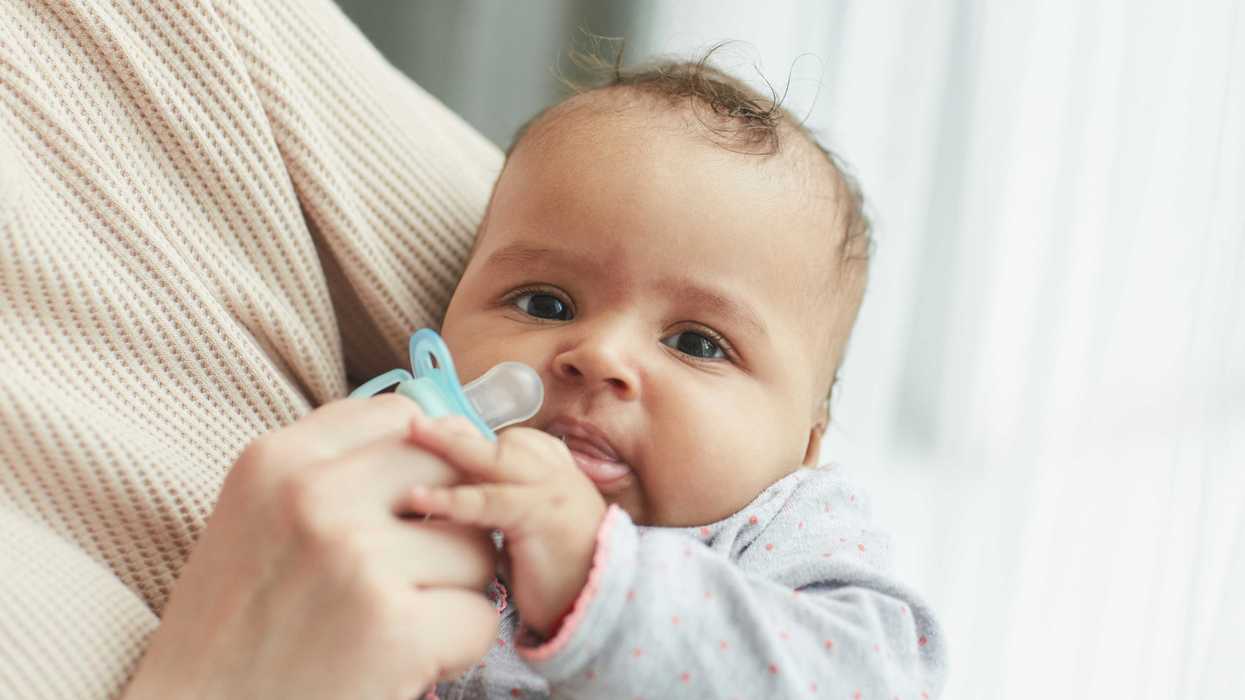

A recent study published in Environmental Science and Pollution Research found that plastic pacifiers could expose children to bisphenol A (BPA), a toxic chemical known to harm reproductive, developmental, neurological, and metabolic health.
In short:
- Of the seven pacifiers tested, the pacifier labeled as “BPA-free” released the highest amount of BPA.
- Even the pacifiers that released the lowest levels of BPA exceeded daily exposure limits set by the European Food Safety Authority (EFSA) by as much as 50 fold.
- The pacifier that leached the highest amounts of BPA exceeded these same limits by up to 11,600 fold.
Key quote:
“The results underline the unreliability of voluntary ‘BPA-free’ claims and emphasize the need for harmonized [European Union] regulation analogous to existing restrictions for feeding bottles and toys.”
Why this matters:
Due to the established health risks of BPA exposure, the European Union (E.U.) has passed regulations banning the use of BPA in baby bottles and toys, and EFSA recently lowered their standards for daily allowable BPA intake by 20,000-fold. Despite this, the E.U. does not have any regulations limiting the use of BPA in pacifiers, or many other categories of infant products. Additionally, BPA bans have led to an increase in the use of bisphenol substitutes that carry comparable health risks but are often entirely excluded from regulation. The authors of this study emphasize the need for policies that meaningfully limit children’s exposure to BPA across product categories and that verify “BPA-free” claims.
Related EHN coverage:
- Supposedly “safer” substitutes for BPA continue to drive metabolic disease globally
- FDA’s current BPA safety standards are outdated, misguided and flawed, scientists say
More resources:
- Environmental Working Group: Children’s health consumer guide for parents and caregivers.
Note from EHS: This study includes an error in Table 1 that incorrectly states that pacifier ID 6 was not labeled as "BPA-free." EHS has contacted the study authors and confirmed that this is a table-level error and does not affect any measured values, calculations, or the overall conclusions of the study.