
Iowa Attorney General Brenna Bird on Wednesday unveiled two settlements over large-scale water pollution that killed hundreds of thousands of fish and repeatedly breached discharge limits.
Cami Koons reports for Iowa Capital Dispatch.
In short:
- In March 2024, a clogged line at NEW Cooperative in Red Oak dumped 265,000 gallons of liquid fertilizer, killing roughly 750,000 fish along 50 miles of the East Nishnabotna.
- The cooperative will pay $50,000 in penalties and another $50,000 for river restoration, and must avoid any water-quality violations statewide for three years.
- Kosher processor Agri Star logged about 60 ammonia and solids violations, agreed to a $50,000 fine and a binding deadline to meet its discharge permit by Dec. 31, 2026.
Key quote:
“The public has been locked out of the process by which the interests of the people are considered. Iowa’s environment will only be improved if citizens are allowed timely, appropriate notice and an opportunity to be heard before sweetheart deals are cut."
— James Larew, attorney with Driftless Water Defenders
Why this matters:
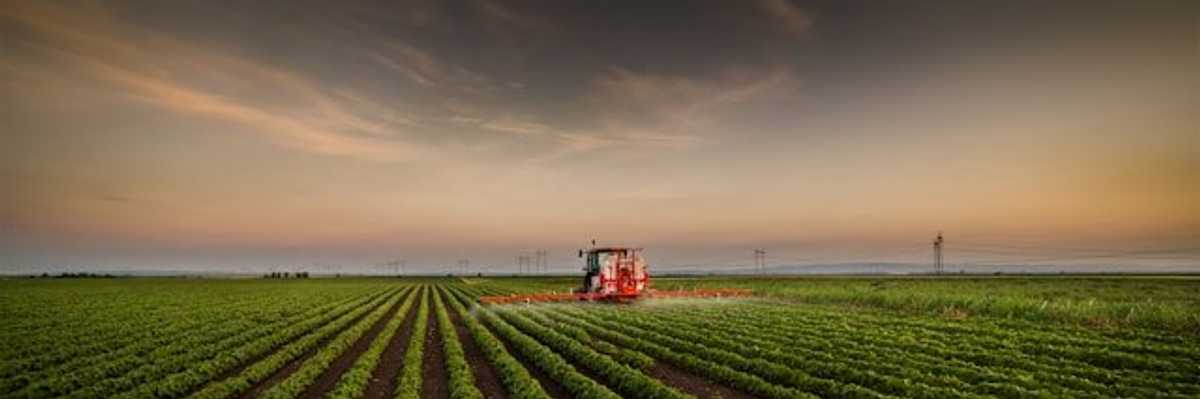
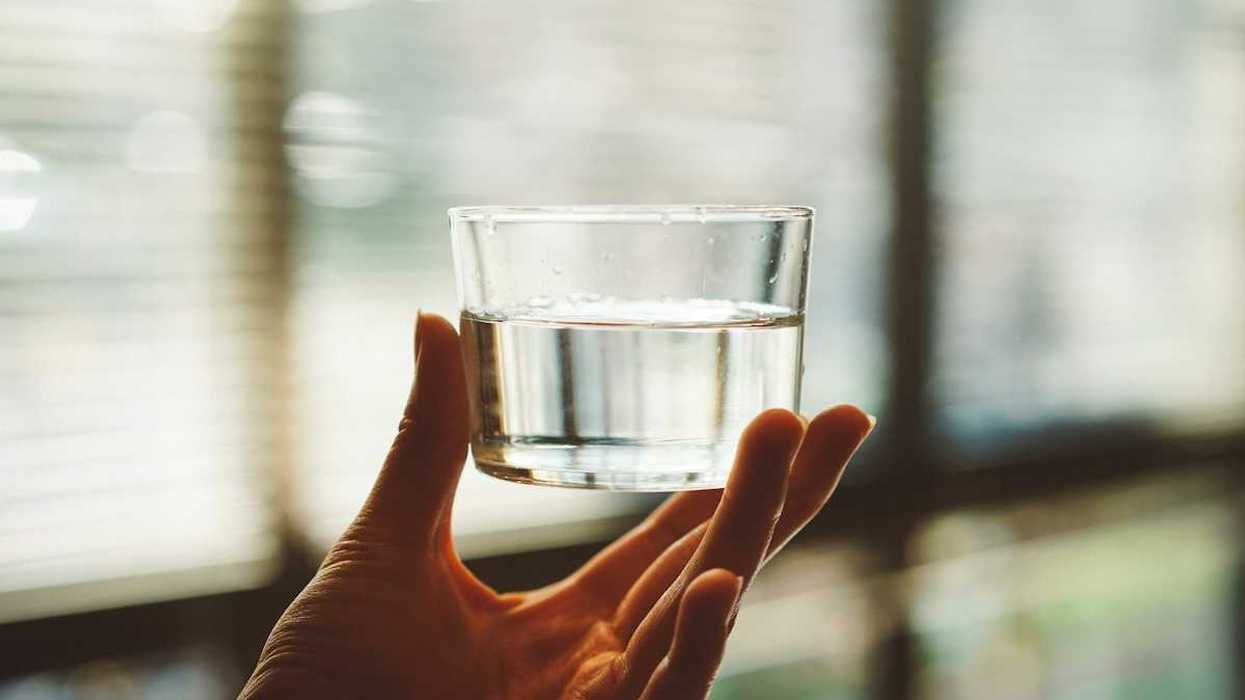
Iowa’s rivers are already burdened by some of the nation’s highest nutrient loads, a legacy of intensive corn and livestock production that funnels fertilizer and manure into the Mississippi basin. Ammonia and nitrate pollution do more than kill fish; they break down into compounds tied to ailments like “blue baby” syndrome, cancers, and thyroid disease when they taint drinking water wells that many rural households still rely on. Aquatic die-offs also strip local economies of tourism dollars and deprive hunters and anglers of prized habitat. When large polluters face modest penalties, critics warn, the cost of doing business shifts to taxpayers who must fund costly water treatment and habitat restoration downriver. Scientists warn that climate-driven floods may spread these chemicals further, compounding the risk.
Read more: Fertilizer spill in Iowa river prompts environmental concern