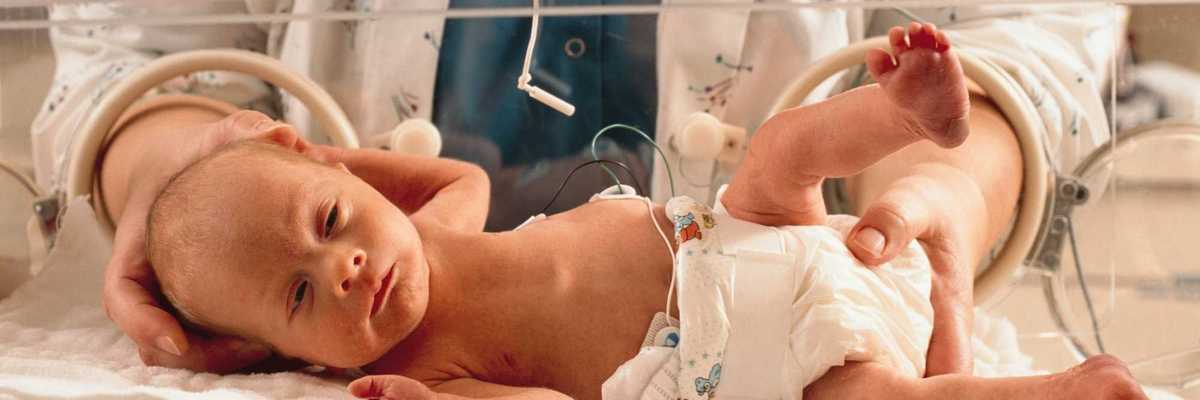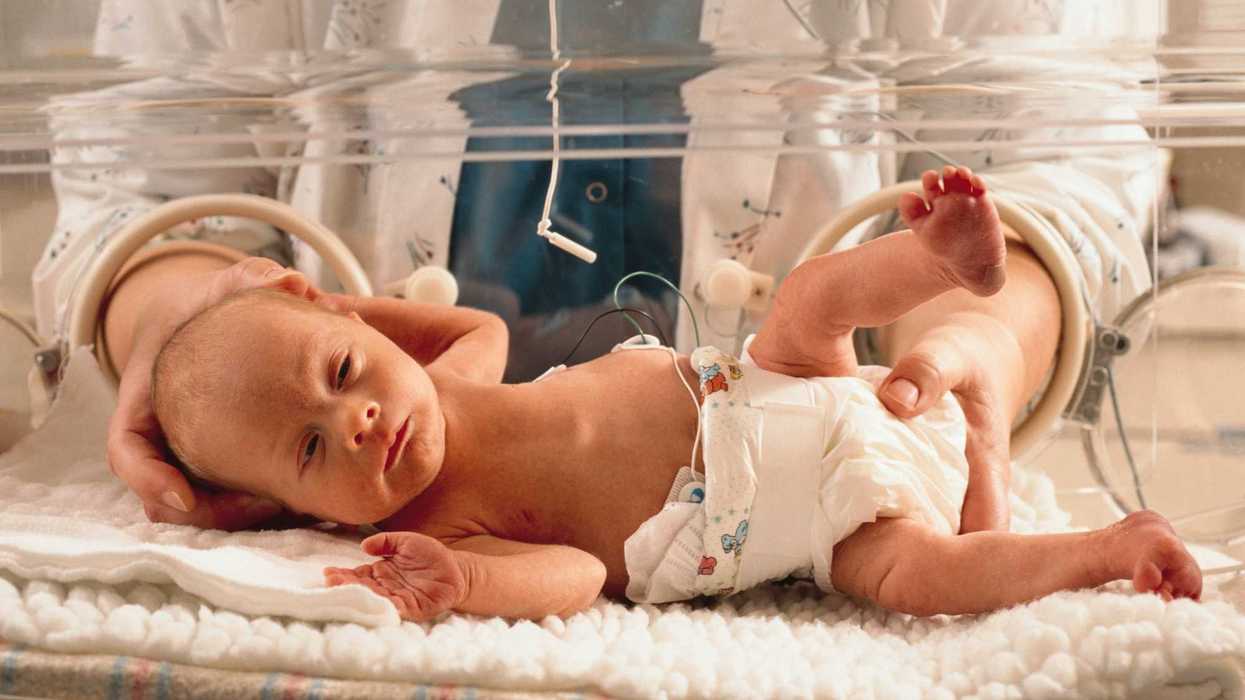

A recent study published in eClinicalMedicine provided the first estimate of the global health burden from premature (or “preterm”) births that could be attributed to exposure to two types of phthalate plasticizer chemicals.
In short:
- In 2018 alone, 1.97 million preterm births – more than 8% of preterm births worldwide – could be attributed to di (2-ethylhexyl) phthalate (DEHP) exposure.
- That same year, an estimated 74,000 deaths and a loss of nearly 6.7 million years of life overall could also be attributed to DEHP exposure.
- Diisononyl phthalate (DiNP), another phthalate chemical that’s often used as a replacement for DEHP, had a nearly equivalent health burden of 1.88 million preterm births, 64,000 deaths, and 5.7 million years of life lost.
Key quote:
“We are playing a dangerous game of Whac-A-Mole with hazardous chemicals. We have a situation in which concerns come up about one chemical, and industry simply replaces it with a chemical analog that may have the same, if not worse, effects.”
- Study co-author Dr. Leonardo Trasande, via CNN
Why this matters:
Phthalates are common ingredients in plastic packaging, personal care products, and cleaning products, but are known to be carcinogenic, neurotoxic, toxic to reproduction, and more. Because of this widespread use, individuals are often exposed to multiple types of phthalates simultaneously, as well as newer phthalate substitute chemicals like DiNP, many of which have not been tested for health risks. The authors of this study emphasize the need for a broader and stricter approach to regulating phthalates, which has been shown to meaningfully reduce exposure.
Related EHN coverage:
- Chemical exposures before conception can impact fertility and pregnancy outcomes, study finds
- Exposure to plasticizer chemicals linked to hundreds of thousands of U.S. deaths each year
- “We have enough evidence” to act on toxic plastic exposure now
More resources:
- Plastic Exposure & Preterm Birth: Estimates of Morbidity and Mortality Associated with Certain Phthalates, a website created by the study’s authors and colleagues at NYU, allows users to dig deeper into the data and see maps of exposures and health burdens worldwide.
- SafetyNEST provides resources on how to reduce environmental exposures while pregnant and in the home.
Hyman, Sara et al. (2026). Preterm birth attributable to exposure to chemicals used in plastic materials: a global estimate. eClinicalMedicine.