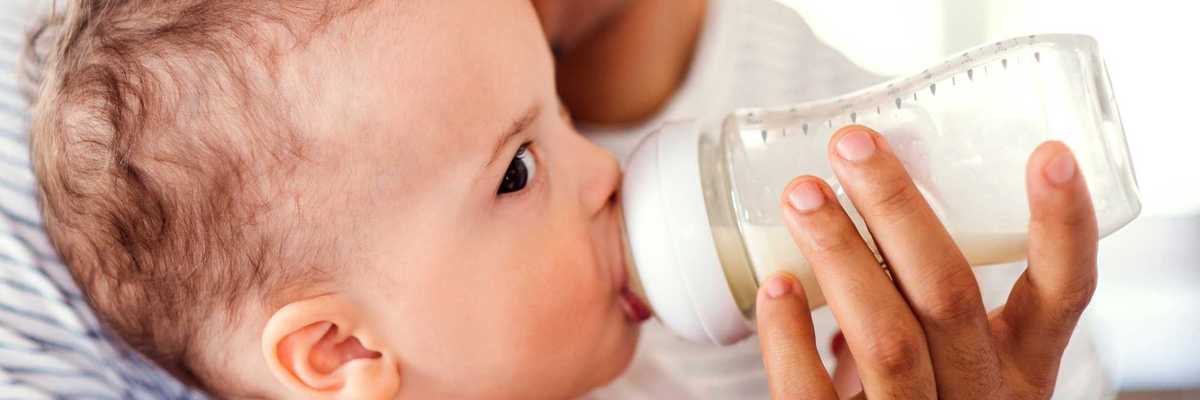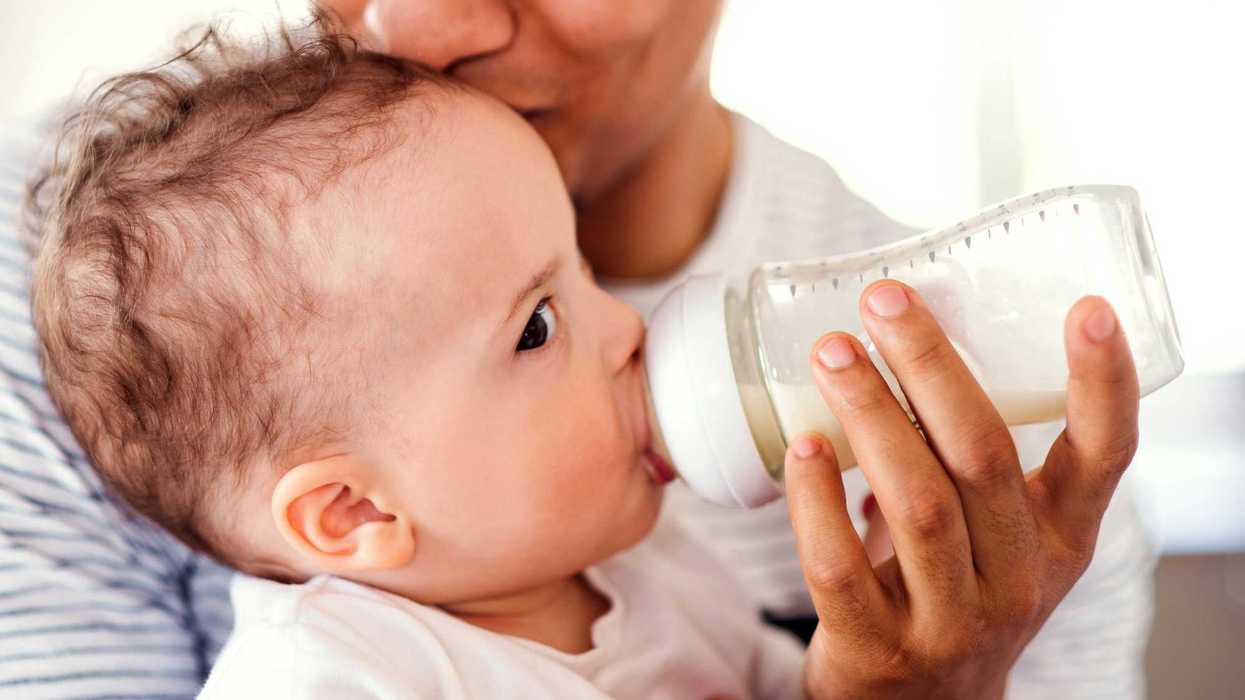

A 2021 study conducted by the governmental organization Health Canada found that bisphenol A (BPA) and one of its popular alternatives (BPS) leached from every brand of baby bottle and sippy cup tested.
In short:
- All 20 brands of baby bottles and 13 brands of sippy cups tested released BPA and BPS when used with water and with liquids that simulated breastmilk, formula, or juice.
- The bottles and sippy cups also released numerous other bisphenol chemicals, such as BPF and BPAF.
- The amount of chemicals leached into liquids simulating juice or milk was higher than the concentrations released into water.
Key quote:
“As the newborns and infants have reduced metabolic capabilities, the bioaccumulation of these chemicals can be greater and much more detrimental as compared to adult[s].”
Why this matters:
Despite Canada (among other countries) banning the sale of baby bottles and children’s cups containing BPA, this study found that bottles and sippy cups sold in Canada continued to leach BPA many years after the ban initially passed. BPA is a known endocrine disrupting chemical, and many of its chemical substitutes have been found to carry comparable health risks despite their reputation as “safer” alternatives. Banning a single bisphenol while continuing to use others undermines the effectiveness of regulations and allows exposure to toxic chemicals to continue to increase globally.
Related EHN coverage
- How BPA and its evil cousins dodge meaningful regulation
- FDA’s current BPA safety standards are outdated, misguided and flawed, scientists say
- How the plastic industry undermines democracy by blocking bans
More resources:
- Environmental Working Group: Children’s health consumer guide for parents and caregivers.
- Pacifiers can be a source of BPA exposure, even when marketed as “BPA-free” ›
- Exposed: Toward a BPA-free future ›
- Exposure to BPA during pregnancy disrupts uterine development, increasing preeclampsia risk ›
- How is BPA bad for my health? ›
- Phthalate plastic chemicals linked to nearly 4 million premature births in one year - EHN ›