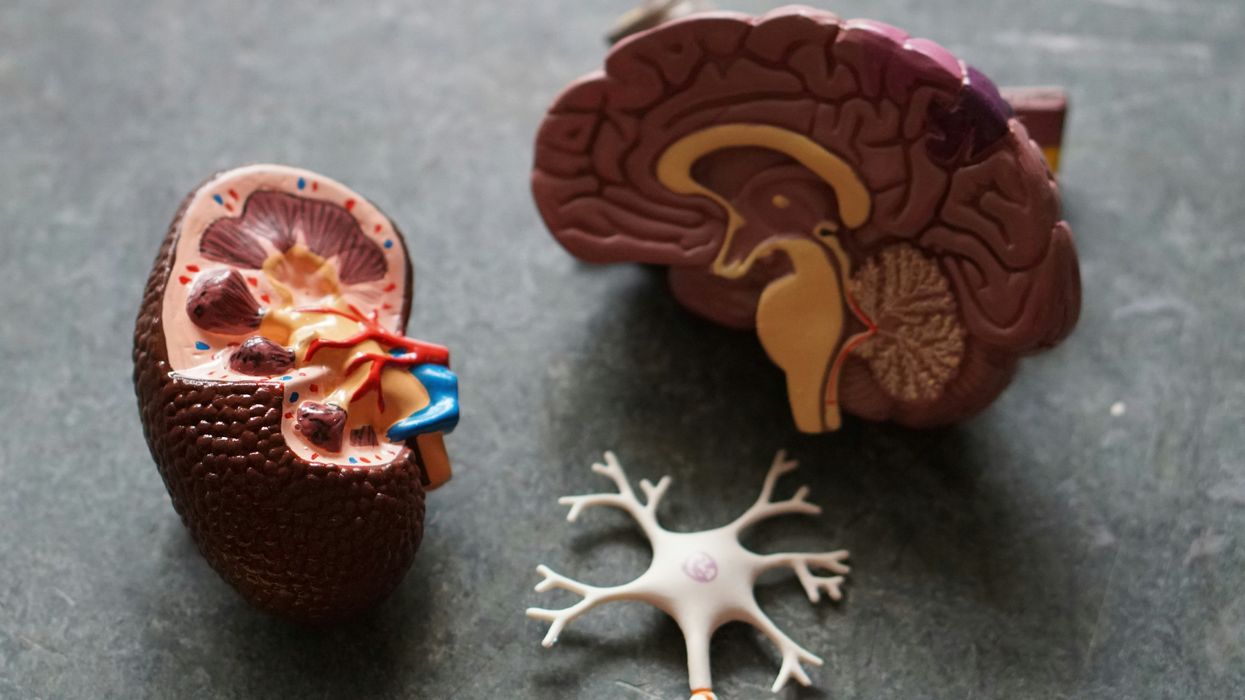

In a recent paper published by Nature Medicine, researchers examined micro- and nanoplastic (MNP) contamination in brain, liver, and kidney tissue samples collected between 2016 and 2024.
In short:
- People with dementia had up to ten times the amount of microplastics in their brain tissue than those without dementia.
- Both liver and brain tissues collected in 2024 had significantly higher concentrations of MNPs than those collected in 2016, with the concentration of plastics in brains increasing by about 50% over the past 8 years.
- Brain tissue contained 7 to 30 times greater MNP concentrations than liver or kidney samples.
Key quote:
“I have yet to encounter a single human being who says, ‘There’s a bunch of plastic in my brain and I’m totally cool with that.’”
- Study author Matthew Campen, PhD, via University of New Mexico Health Sciences News
Why this matters:
Recent studies have confirmed that microplastics are present in all parts of the human body that have been examined, highlighting an urgent need for solutions that address their potential harm to public health. In this study, MNP concentrations were not influenced by age, sex, or ethnicity, showcasing the ubiquity of plastic pollution and the need to regulate plastic production in order to stop the creation of MNPs at the source.
Related EHN coverage:
- “We have enough evidence” to act on toxic plastic exposure now
- Chemicals in plastic responsible for nearly $250 billion worth of US health costs in a single year
More resources:
- University of California San Francisco: I’m a Microplastics Researcher. Here’s How To Limit Their Dangers
Nihart, Alexander et al. for Nature Medicine. Feb. 3, 2025