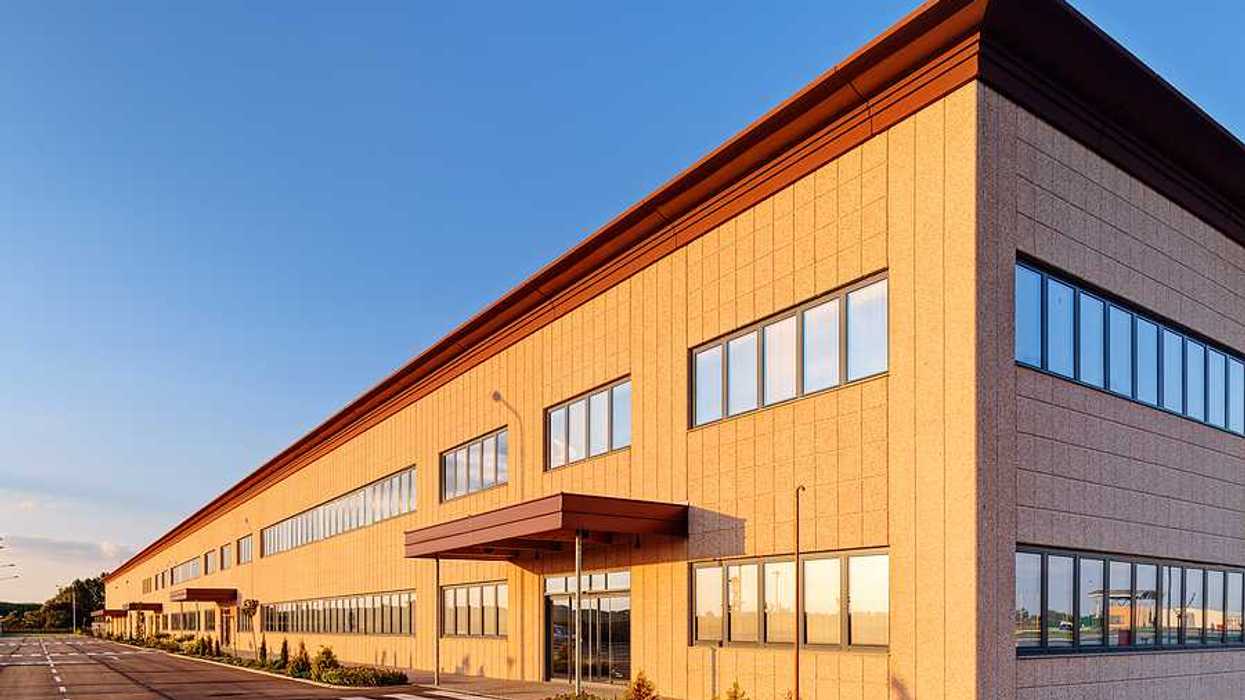
New York City’s warehouse boom, driven by online shopping, is increasing diesel truck traffic — and air pollution — in historically disadvantaged areas already burdened by poor air quality.
Lauren Dalban reports for Inside Climate News.
In short:
- Last-mile delivery warehouses are rapidly multiplying in New York City to meet growing online shopping demands, often in neighborhoods with long histories of environmental burdens.
- Diesel trucks, especially older models, contribute heavily to fine particulate matter pollution, a known driver of respiratory illness and premature death, with traffic-related PM2.5 levels disproportionately higher in low-income areas.
- Local and state proposals aim to regulate warehouse placement and truck emissions, but slow electrification of freight fleets and limited infrastructure remain major obstacles.
Key quote:
“These trucks are coming in and out of the industrial waterfront where the facilities are located, and it’s endangering the pedestrians.”
— Nebraska Hernandez, climate justice hub advocate at UPROSE
Why this matters:
In dense urban areas like New York City, the logistics behind same-day shipping rely heavily on a network of last-mile warehouses often tucked into or near residential zones, particularly in historically underserved areas. These facilities are magnets for diesel-powered trucks, which idle, queue, and crawl through local streets — emitting soot and fine particles linked to respiratory diseases, heart conditions, and premature deaths. Even as electric trucks begin to enter the market and city planners talk of zoning updates, the infrastructure supporting the e-commerce boom remains deeply entangled with environmental injustice.
Read more: New Jersey warehouse boom worsens air pollution for communities of color