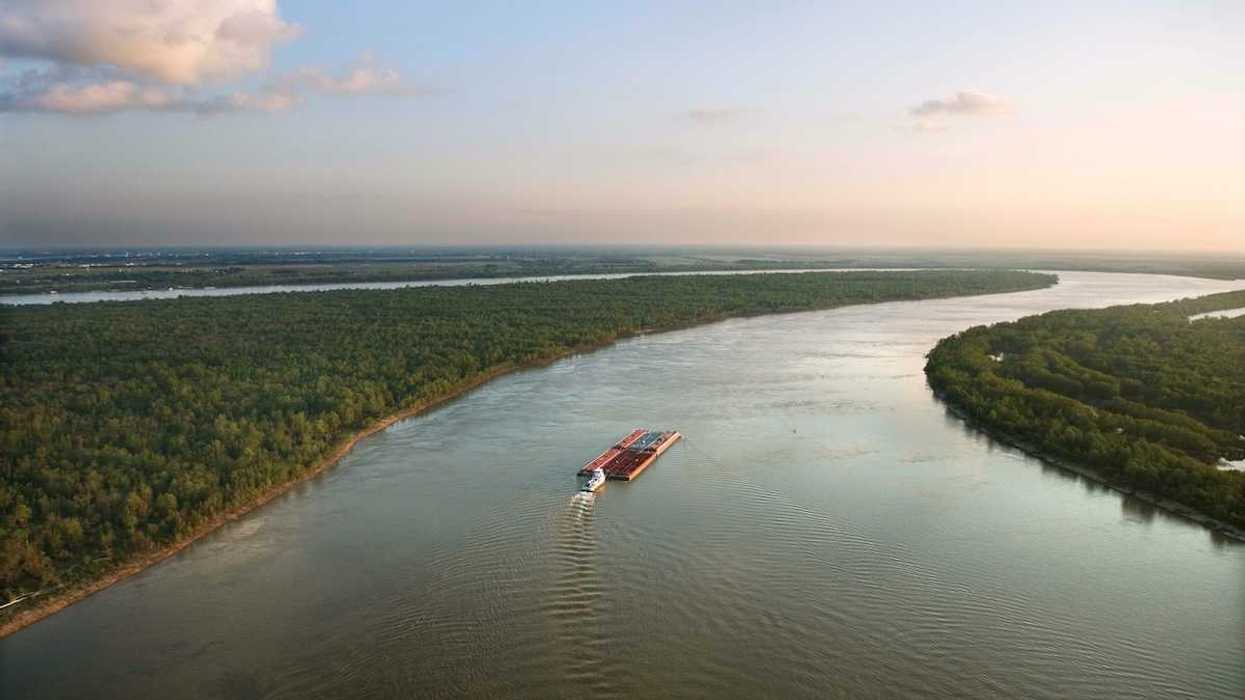
A monitoring group in northern Ontario warns that pesticide contamination, particularly Atrazine, in the Wabi River threatens public health and the environment, with links to cancers and harm to wildlife.
Rajpreet Sahota reports for CBC News.
In short:
- The Wabi River, which feeds into Lake Temiskaming, contains 23 detected pesticides, with Atrazine found in 87% of samples.
- Atrazine, banned in Europe since 2004, is linked to cancers, birth defects and environmental harm.
- Local officials are working on plans to protect the river and address concerns from agricultural runoff and pollutants.
Key quote:
"It can cause cancers, tumors, also it has negative impacts over amphibians."
— Akib Hasan, environmental projects coordinator, Organisme de bassin versant du Témiscamingue (OBVT)
Why this matters:
Pesticide runoff into water bodies can lead to serious health risks, particularly in areas dependent on local water sources. Atrazine’s persistence in rivers underscores gaps in water monitoring and regulation, raising the stakes for both public health and biodiversity conservation.
Related EHN coverage: