Concerns mount over the water quality of Paris's Seine River before the Olympic and Paralympic Games, spotlighting pollution levels that could affect athletes.
Frances Vinall reports for The Washington Post.
In short:
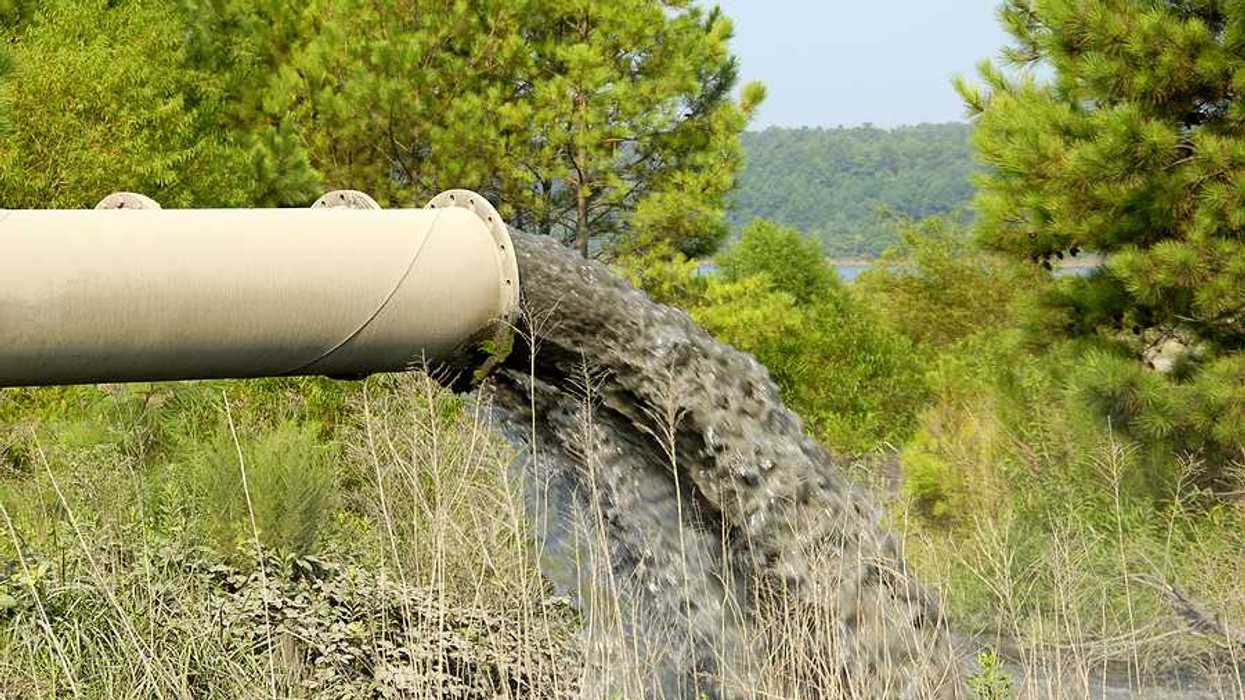
- The Surfrider Foundation's testing revealed E. coli and enterococci bacteria levels above recommended thresholds, signaling fecal contamination near the Olympic event sites.
- Despite concerns, city officials argue that a comprehensive cleanup plan will ensure the river's safety in time for the games.
- Heavy rainfall and infrastructure delays have previously hindered water quality improvements, though officials remain optimistic about ongoing efforts.
Why this matters:
Paris's efforts can be compared to successful cleanups of other historically polluted rivers, signaling a potential renaissance for urban waterways that could serve as a model for cities worldwide. The long-term vision includes not only facilitating Olympic events but also reopening the river for public swimming, with designated areas near iconic landmarks and in suburban locations.
Exposure to E. coli and various pollutants in water can result in health challenges ranging from minor symptoms like nausea and diarrhea to critical conditions including renal failure and, in some susceptible groups, death.