A five-year study by Ottawa Riverkeeper found that road salt has made 90% of water samples from local streams toxic to aquatic life, with effects persisting through the summer.
Gabrielle Huston reports for CBC.
In short:
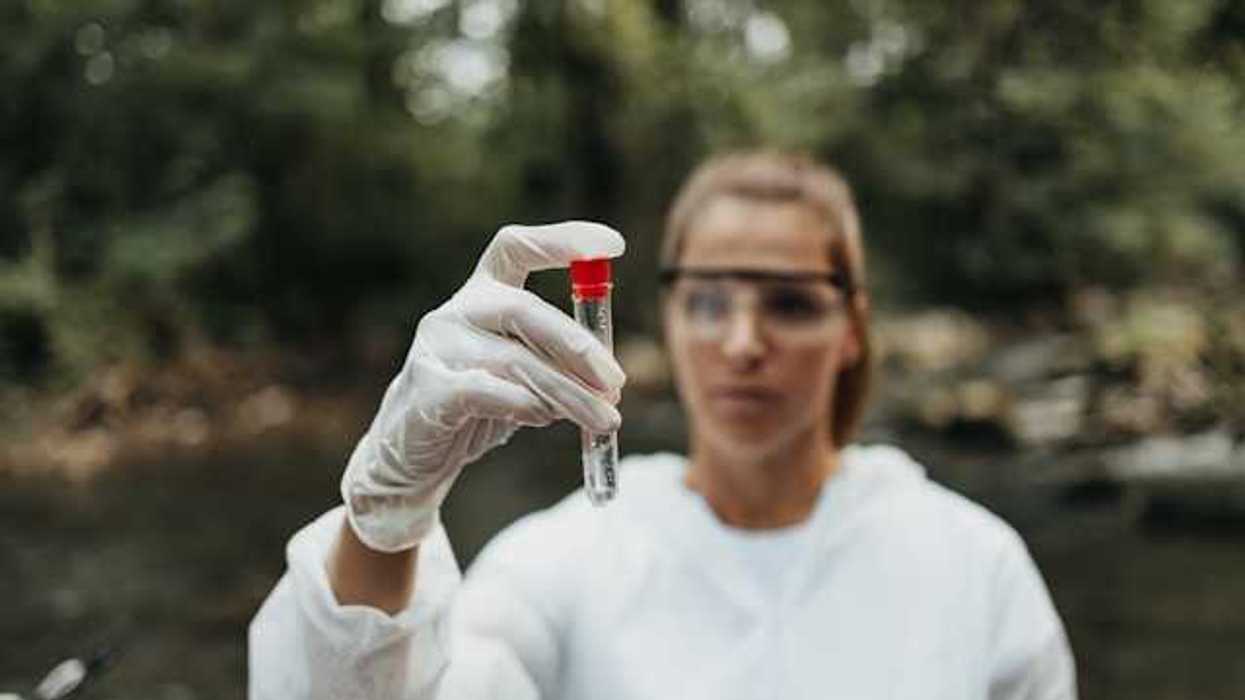
- Ottawa Riverkeeper tested 500 water samples from 45 streams feeding into the Ottawa River, finding most had chloride levels toxic to freshwater ecosystems.
- Road salt lingers in waterways year-round, accumulating in soil and groundwater and leading to long-term environmental harm.
- The report recommends cities, property owners and individuals adopt better salt management, including using sand and gravel in extreme cold.
Key quote:
"Almost everywhere we were testing, at one point or another, the water that supports freshwater ecosystems was toxic to those organisms that live there."
— Larissa Holman, Ottawa Riverkeeper director of science and policy
Why this matters:
Excessive road salt, a critical tool for ensuring winter road safety, has far-reaching consequences for the environment, particularly for aquatic ecosystems and drinking water. As urban areas grow, the increased use of salt to combat icy roads is leading to the contamination of waterways, harming fish and other aquatic organisms sensitive to changes in salinity.
Related EHN coverage: US rivers need a diet of lower salt—or our drinking water will suffer