As the EU sets stricter sewage regulations to clean up waterways, the UK continues to operate under outdated guidelines, drawing criticism for falling behind in pollution control.
Helena Horton and Ajit Niranjan report for The Guardian.
In short:
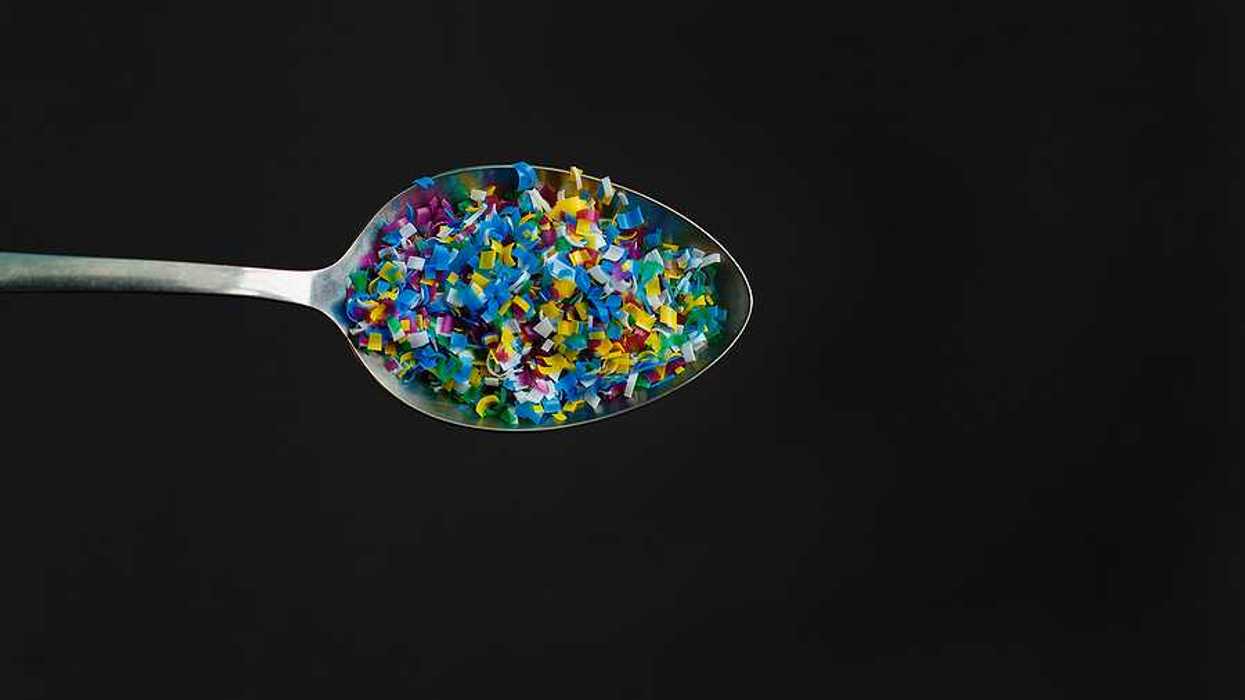
- EU member states have updated regulations to require improved sewage treatment by 2035, targeting pollutants like microplastics, phosphorus and nitrates.
- The UK, still using the older 1991 directive, has faced widespread sewage spills and lacks the advanced treatment requirements the EU now enforces.
- The EU’s new “polluter pays” approach shifts infrastructure costs to polluting industries like pharmaceuticals, while UK regulations do not.
Key quote:
“It is problematic that this practical example of making polluters pay is not implemented in the UK, where the privatisation wave lies at the heart of the problem that exposed British citizens to raw sewage in their beautiful rivers and beaches.”
— Tiemo Wölken, MEP, Socialists and Democrats
Why this matters:
Enhanced wastewater regulations protect water quality, ecosystems and public health. By not updating its standards, the UK risks worsening river pollution, with rising health and environmental costs due to insufficient treatment of harmful pollutants.