A shift toward lithium iron phosphate (LFP) batteries in U.S. electric vehicles could lower costs, improve safety, and extend battery life, but trade restrictions with China may slow adoption.
Nicolás Rivero reports for The Washington Post.
In short:
- LFP batteries cost about 20% less than nickel manganese cobalt (NMC) batteries, last longer, and are less likely to catch fire, but they offer a shorter driving range.
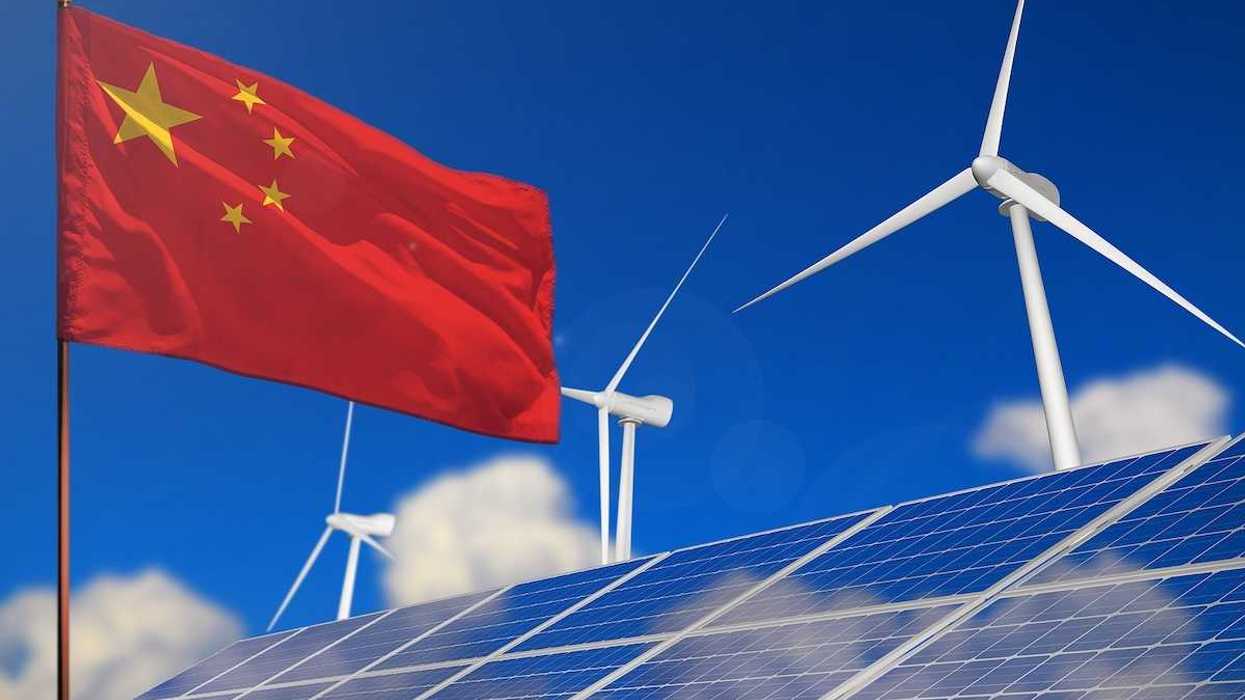
- Chinese companies dominate LFP production after Western automakers initially dismissed the technology, though U.S. manufacturers are now trying to build their own.
- Trade barriers and national security concerns complicate efforts to produce LFP batteries domestically, with some planned U.S. factories facing political and regulatory pushback.
Key quote:
“I suspect that Tesla is looking closely at LFP chemistry and trying to figure out how they can manufacture them themselves to reduce reliance on other suppliers.”
— Scott Moura, environmental engineering professor at the University of California, Berkeley
Why this matters:
The push for cheaper and safer EV batteries has broad implications for affordability, environmental impact, and energy security. LFP batteries use iron instead of expensive, geopolitically sensitive materials like nickel and cobalt, making them less reliant on unstable supply chains. They also last longer and have a lower risk of catching fire, addressing key safety concerns. However, China’s dominance in LFP production raises economic and national security questions for U.S. automakers, which must navigate trade restrictions and political opposition to domestic production partnerships.