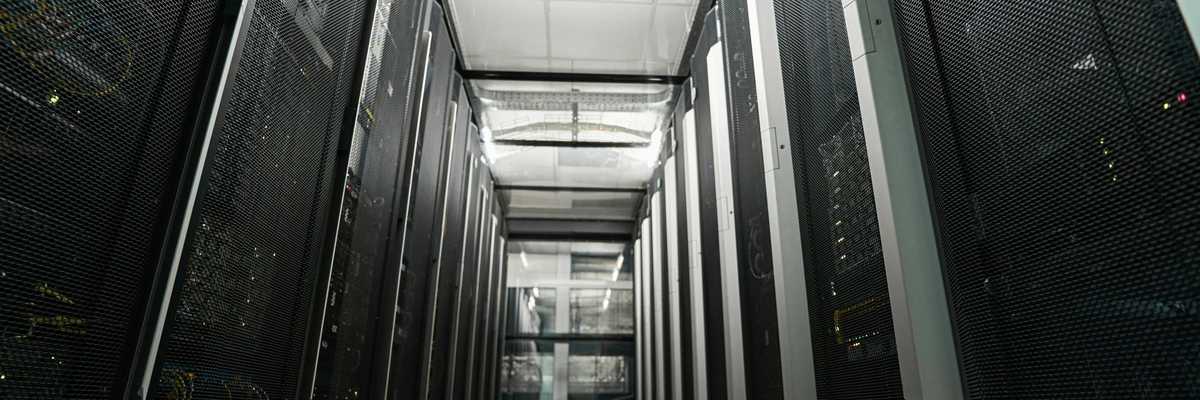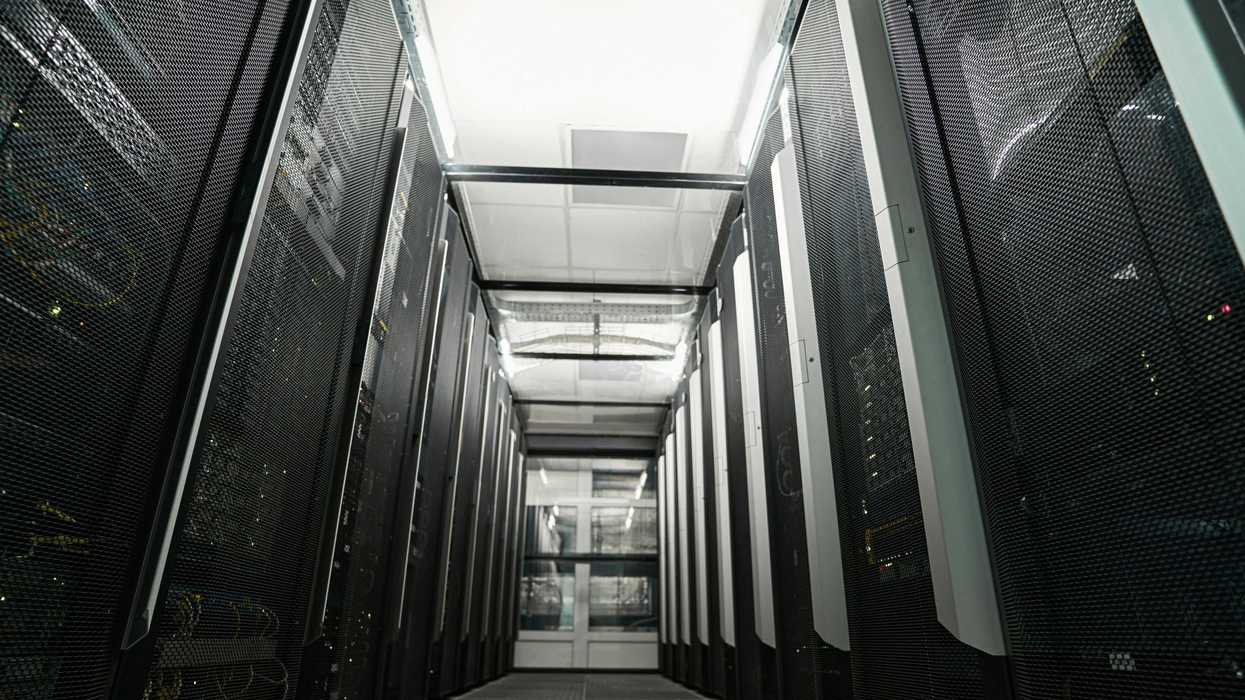

Data centers are estimated to use hundreds of billions of liters of water and emit millions of tons of carbon dioxide (CO2) every year, but a new article published in Patterns found that a lack of transparent reporting from tech companies means that the true environmental impacts are likely significantly underestimated.
In short:
- The International Energy Agency (IEA) estimated that data centers consumed a total of 560 billion liters of water in 2023 and emitted 182 million tons of CO2 in 2024, but research suggests that these are likely significant underestimates.
- Of 11 major tech companies (including Google, Meta, Amazon, and Apple), only three report the total electricity use of their data centers, and only two report their direct water use.
- Reporting on direct water use does not account for the water needed to generate electricity for data center operations (known as indirect water use). Only Meta reported on their data centers’ indirect water use.
- None of the companies report specifically on AI-related environmental impacts, including greenhouse gas emissions, water use, or e-waste related to their operation.
Key quote:
“AI systems may have a carbon footprint equivalent to that of New York City in 2025, while their water footprint could be in the range of the global annual consumption of bottled water [446 billion liters].”
Why this matters:
The U.S. has over 3,000 operating data centers — physical facilities that house large-scale computer server infrastructure that controls online services (including AI) and stores data — with more than 1,500 new centers currently under development. In total, 42% of the U.S. population lives within 5 miles of an existing or planned data center. Data centers require an enormous amount of energy to function, with total data center electricity demand amounting to 47.4 gigawatts (more than the annual electricity use of the UK) in 2024. Very few policies to regulate data center emissions or water usage exist. The author of this article emphasizes that “further disclosures from data center operators are urgently required” in order to fully understand and effectively manage their rapidly growing environmental implications.
Related EHN coverage:
- E-waste recycling and trash incineration tied to flame retardant contamination in eggs
- Millions in the U.S. may rely on PFAS-contaminated drinking water
More resources:
- Is it Safe to Live Near a Data Center? EMF Radiation Risks Explained
- Sierra Club: The Impacts of Unconstrained Data Center Growth
- Pew Research Center: What we know about energy use at U.S. data centers amid the AI boom
- Trump moves to limit environmental reviews for AI data center projects ›
- Google’s emissions spike faster than reported, driven by AI and data center expansion ›
- Environmental advocates challenge data center expansion in Virginia ›
- Big tech’s water-guzzling data centers are draining some of the world’s driest regions ›