New research suggests microplastic pollution could reduce staple crop yields by 12%, potentially worsening global food insecurity and intensifying calls for international action on plastic waste.
The Guardian editorial board writes.
In short:
- A study from Nanjing University found microplastics may limit photosynthesis in crops by blocking sunlight and nutrients, reducing chlorophyll levels.
- The contamination is widespread, with microplastics found in human organs, marine life, and remote regions like the Arctic.
- Efforts to regulate plastic pollution face resistance from fossil fuel industries; a UN treaty on plastics failed in December, with another round of talks set for later this year.
Key quote:
"Plastic will continue to have its uses, but the proliferation of single-use items, including packaging, is out of control."
— The Guardian editorial board
Why this matters:
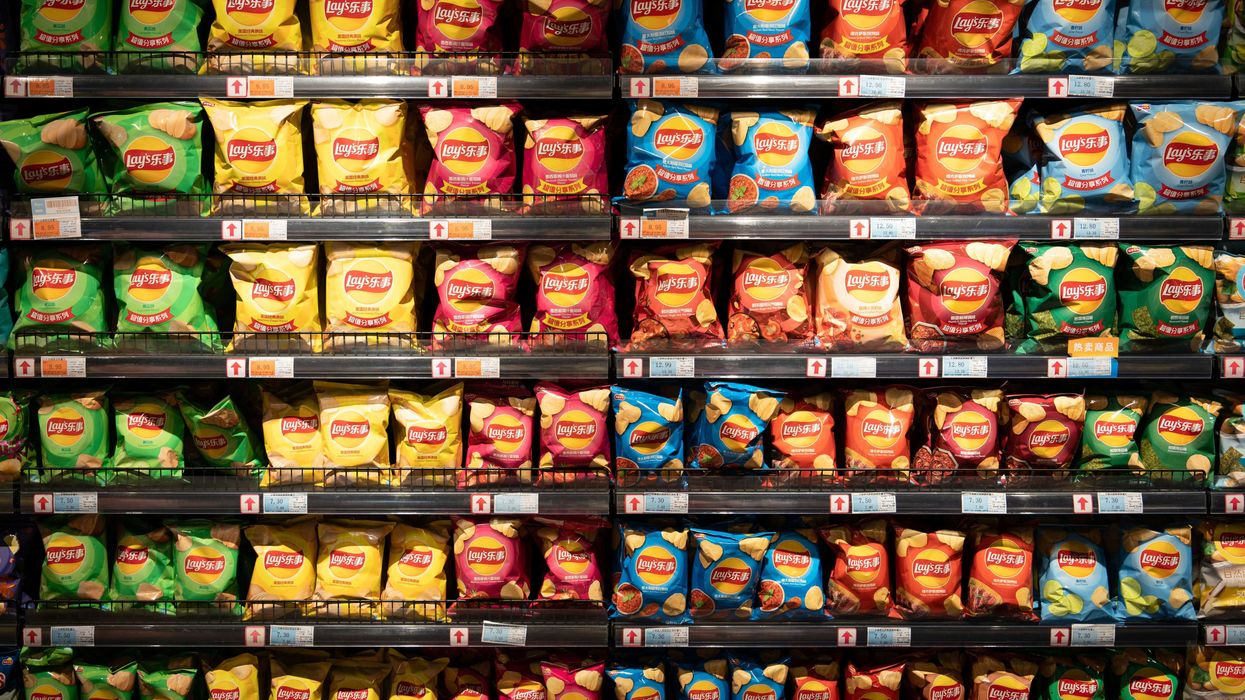
Microplastics — tiny fragments shed from packaging, textiles, and countless consumer goods — have infiltrated nearly every corner of the planet. They float in the air we breathe, seep into drinking water, and have been found in human blood, lungs, and even placentas. Now, scientists are raising alarms about their impact on agriculture, where they may be stunting crop growth and reducing soil fertility.
Despite mounting evidence of harm, regulation remains elusive. The plastic industry’s close ties to the fossil fuel sector have complicated global efforts to curb production, as seen in ongoing UN negotiations that have yet to yield a binding treaty. With plastic production still rising — projected to nearly triple by 2060 — and recycling rates stubbornly low, the crisis is deepening. The long-term effects of microplastics on ecosystems and human health remain uncertain, but one thing is clear: They are here to stay.
Related EHN coverage: Microplastics in farm soils: A growing concern