Florida's current efforts to clean its waterways might not suffice, according to the state's Blue-Green Algae Task Force.
Chad Gillis reports for the Fort Myers News-Press.
In short:
- The Blue-Green Algae Task Force, established in 2019, evaluates nutrient pollution and advises on water quality policies.
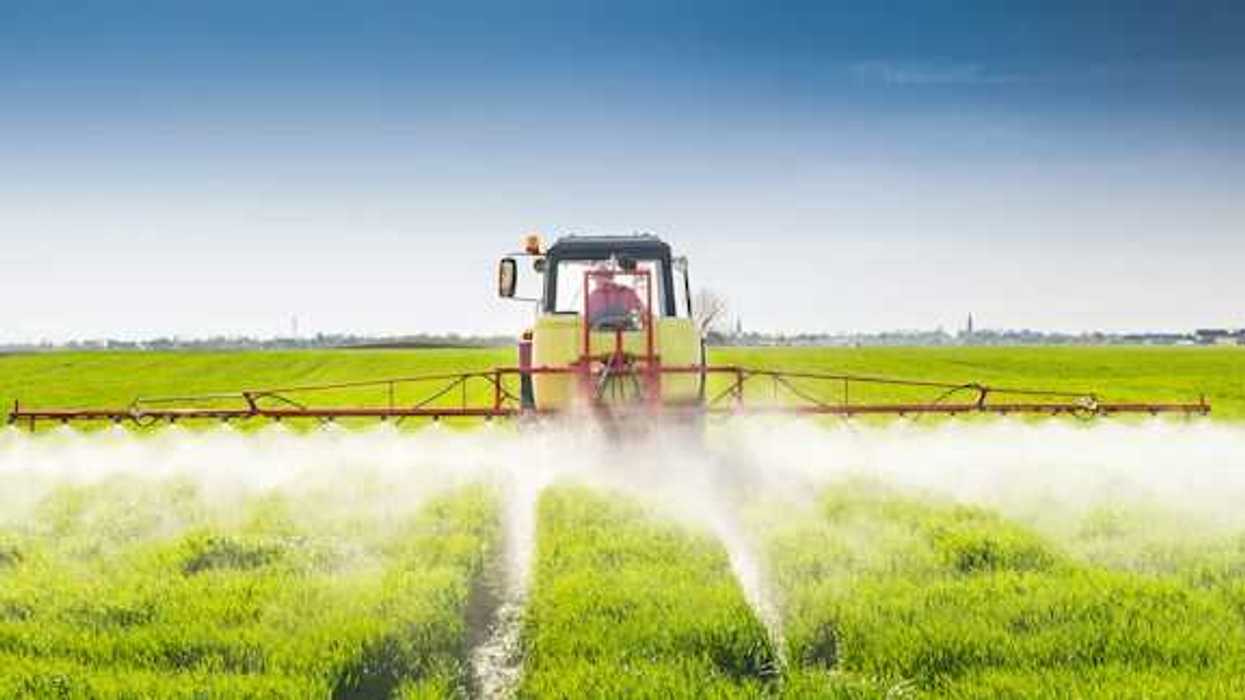
- Task force members expressed concerns that current measures like Total Maximum Daily Loads (TMDL) and Best Management Practices (BMP) may not be enough to achieve clean water.
- Efforts to improve public perception of farming practices are ongoing, but enrolling smaller agricultural operations remains challenging.
Key quote:
"We may find out at the end that the horror story is we can't do it through BMPs alone, and we have to take some other type of action."
— James Sullivan, executive director of Florida Atlantic University’s Harbor Branch Oceanographic Institute
Why this matters:
Florida’s Blue-Green Algae Task Force has raised alarms about the persistent issue of blue-green algae blooms that have been plaguing Florida’s lakes, rivers, and coastal waters. The blooms, fueled by nutrient pollution, pose significant health risks to humans and wildlife, causing respiratory issues, skin rashes, and even liver damage upon prolonged exposure. The economic impact is also substantial, with tourism, fishing, and real estate sectors taking a hit as water quality deteriorates.