As Elon Musk ramps up rocket launches, Hawaii’s culturally and ecologically vital waters could become a dumping ground for failed SpaceX spacecraft.
Dara Kerr reports for The Guardian.
In short:
- The Federal Aviation Administration (FAA) has approved 25 annual SpaceX Starship launches, dramatically expanding the Pacific Ocean “action area” where rocket debris can fall and placing Hawaii’s protected waters at risk.
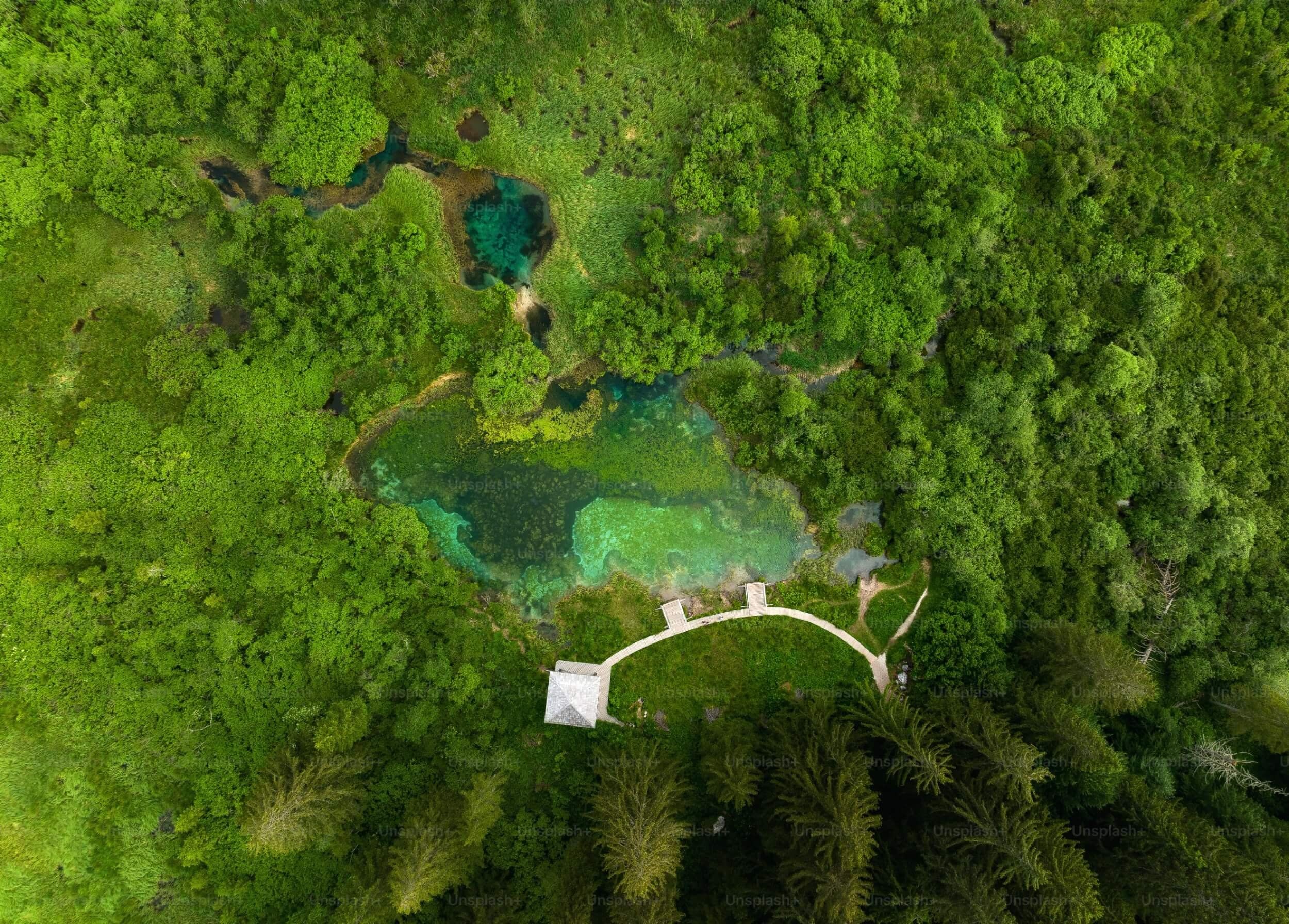
- The region includes Papahānaumokuākea, a UNESCO World Heritage site and vital marine sanctuary home to endangered species like green sea turtles and monk seals, as well as sacred Native Hawaiian sites.
- Critics argue the FAA’s environmental review, prepared largely by SpaceX consultants, is insufficient and dismissive of long-term ecological and cultural consequences.
Key quote:
“We, especially as Native Hawaiians who have a special relationship to that place, simply want an honest and true assessment of the risk before consenting to the raining of thousands of pieces of a failed rocket.”
— William Aila, former chair of Hawaii’s department of land and natural resources
Why this matters:
Elon Musk wants to get to Mars, and he’s willing to let rocket shrapnel fall on some of the most sacred and ecologically sensitive waters on Earth to do it. SpaceX’s launch history is littered with explosive misfires, and this isn’t just space junk — it’s fuel, metals, plastics, and the long tail of ecological and cultural disruption.
Read more: America, this is what environmental justice is — and what we all stand to lose