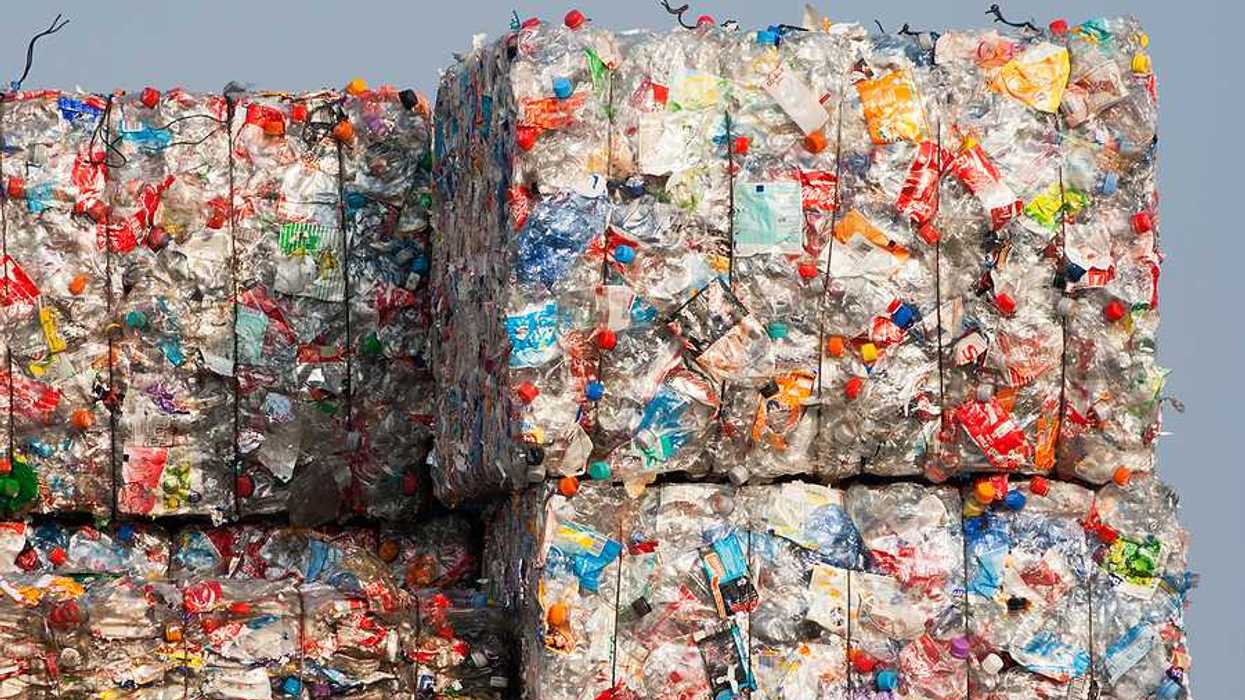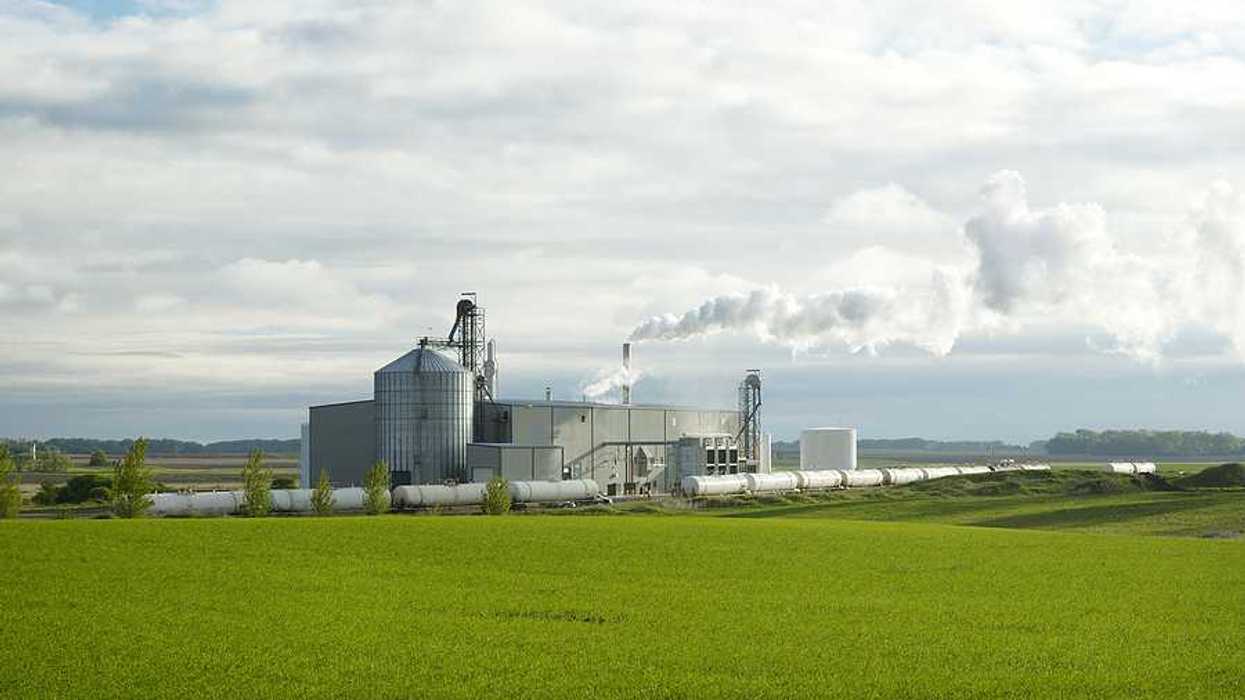
Delhi’s attempt to burn massive trash heaps to generate power has led to toxic pollution near schools and homes, putting residents at risk of severe health problems like asthma and cancer.
Maria Abi-Habib reports for The New York Times.
In short:
- Delhi’s “green” waste-to-energy plant releases dangerous levels of toxic ash, which is being illegally dumped near residential areas, schools, and parks, exposing over a million people to health risks.
- Hazardous substances, including dioxins and heavy metals, have been found in soil and air samples, far exceeding safety limits, and many residents report increased miscarriages, asthma, and other severe health issues.
- Despite violations and the resulting health crisis, the government plans to build similar plants in other cities to address India’s mounting waste problem.
Key quote:
“The plant was never regulated, and the government knows. It’s burning tons of trash each day, but it's killing people."
— Rakesh Kumar Aggarwal, former plant manager
Why this matters:
Despite clear health risks and repeated violations, authorities plan to expand this model across India—a gamble that could deepen the health crisis. Read more: PFAS in household waste may be going airborne.