A British Columbia nonprofit is tackling ocean plastic by turning discarded fishing gear and shoreline waste into commercial products like deck furniture and construction materials, but a lack of funding threatens its future.
Katie Hyslop reports for The Tyee.
In short:
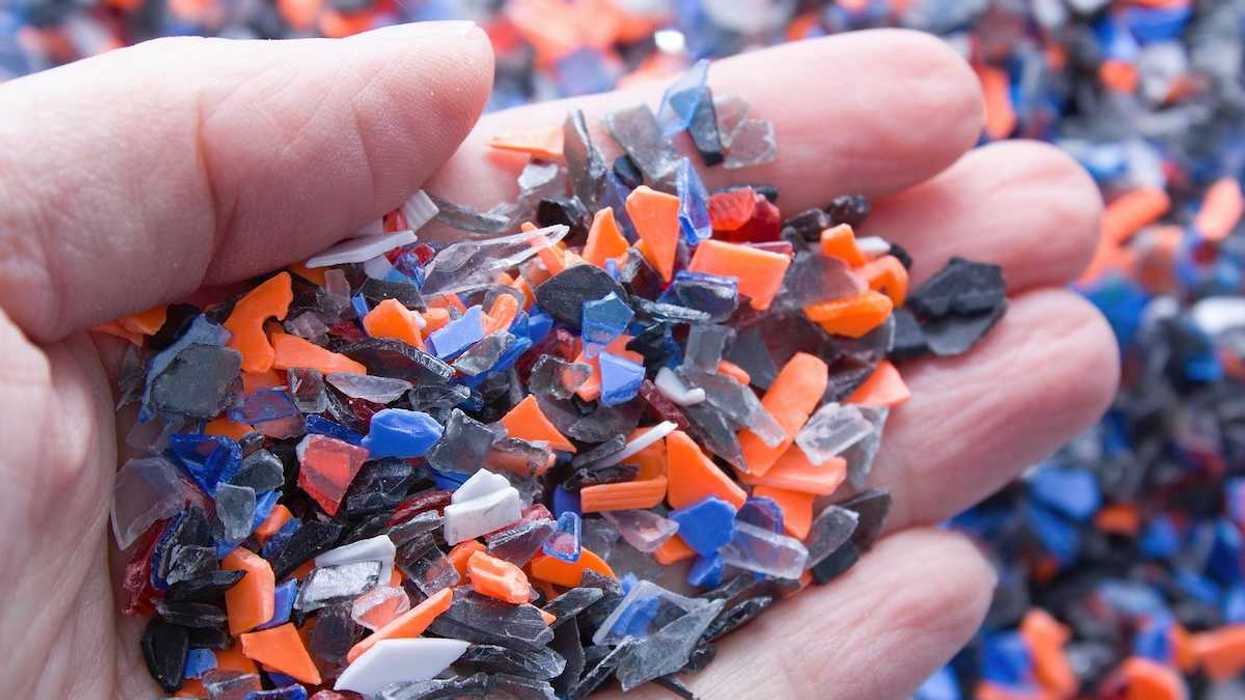
- Ocean Legacy Foundation operates Canada’s largest marine plastic recycling facility, processing ocean waste into pellets sold to manufacturers for long-life goods like planters and patio furniture.
- The group has removed over 1,500 tonnes of plastic from oceans and shorelines and trained hundreds in cleanup efforts, but recent cuts to federal and provincial funding have forced layoffs and strained operations.
- The foundation also runs educational and policy programs aimed at stopping ocean plastic pollution at its source and is expanding cleanup efforts to the Maritimes.
Key quote:
“Right now, without government grants, we’re bringing in less than 50 per cent of what we need to sustain the operation through the revenue of the [recycled] plastics.”
— Chloé Dubois, co-founder and executive director of Ocean Legacy
Why this matters:
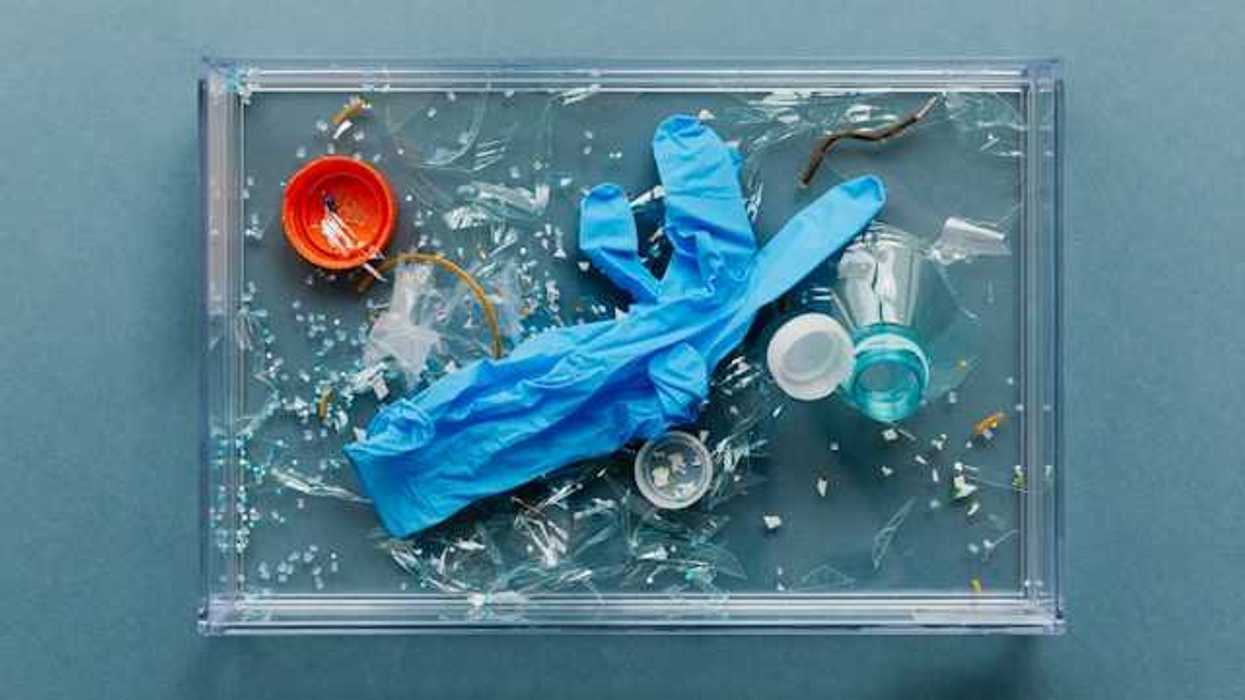
Plastic waste in oceans harms marine life, disrupts ecosystems, and increasingly makes its way into the human food chain. Discarded fishing nets, ropes, and packaging break down into microplastics that fish ingest and humans ultimately consume. Canada produces roughly four million tons of plastic waste annually, much of it from single-use products, and the vast majority is not recycled. Groups like Ocean Legacy are attempting to reduce this impact by creating a closed-loop system for marine plastics. However, without consistent funding and stricter regulations on new plastic production, even the best recycling initiatives risk collapse under economic pressure.
Related: Scientists are exploring how microbes could naturally break down persistent plastics