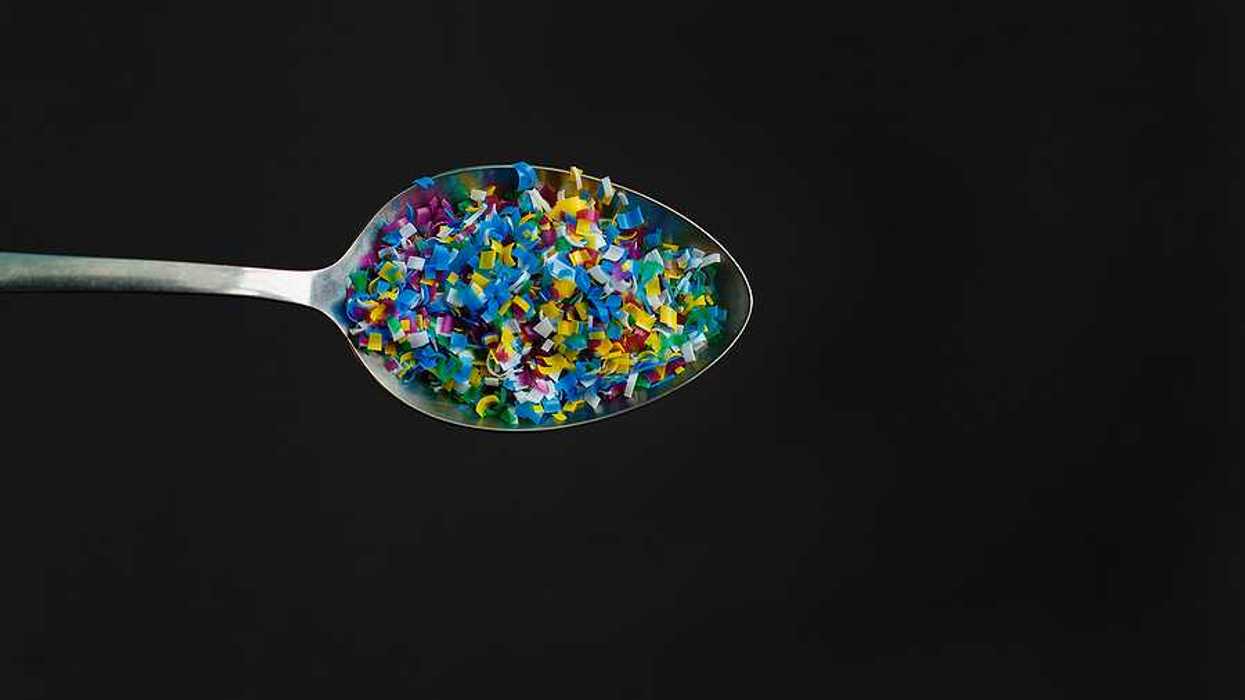
New York lawmakers face mounting pressure from petrochemical lobbyists claiming a proposed plastic waste reduction bill would harm communities of color, despite evidence that those same communities bear the brunt of pollution from the plastic industry.
Dharna Noor reports for The Guardian.
In short:
- A bill in New York aims to cut plastic packaging by 30% over 12 years, raise recycling rates, and remove toxic substances, with costs falling on major plastic producers under extended producer responsibility.
- The American Chemistry Council and industry groups have spent millions lobbying against the bill, targeting lawmakers of color and arguing it would raise food costs for vulnerable communities — a claim bill advocates say is misleading and unsupported.
- Health and environmental justice advocates argue the bill would benefit communities of color by reducing exposure to toxic emissions from plastic production and waste incineration, which are disproportionately sited in such communities.
Key quote:
“How many more of us have to die because of these polluters. They’re sacrificing us to make a profit.”
— Sharon Lavigne, founder of Rise St James
Why this matters:
Plastic waste is a health crisis. From production to disposal, plastic releases harmful chemicals into the air, soil, and water, especially in low-income communities and communities of color. Facilities that produce or burn plastic often emit carcinogens and endocrine-disrupting compounds, contributing to asthma, cancer, and other chronic diseases. As plastic production climbs, frontline communities bear the environmental and health burdens. The current battle in New York exposes how industry tactics can mask these harms behind economic scare tactics, even as mounting scientific evidence links plastic pollution to long-term public health risks.
Related: Op-ed: Putting communities at the heart of plastic pollution initiatives