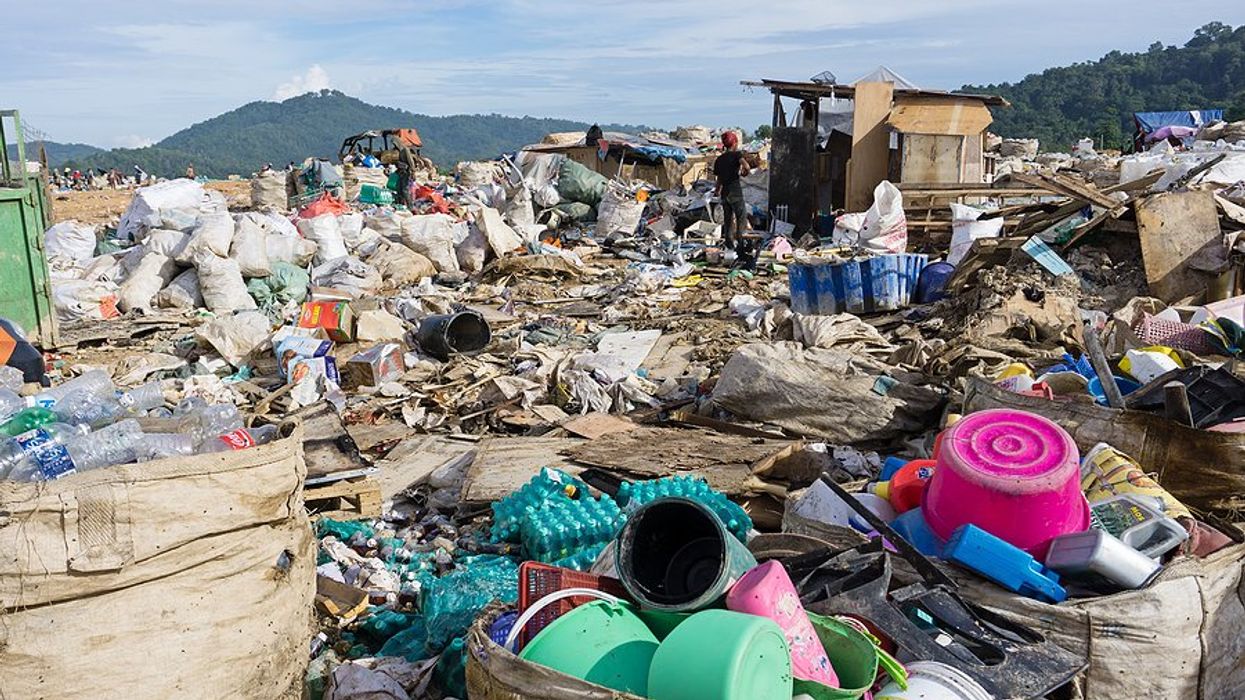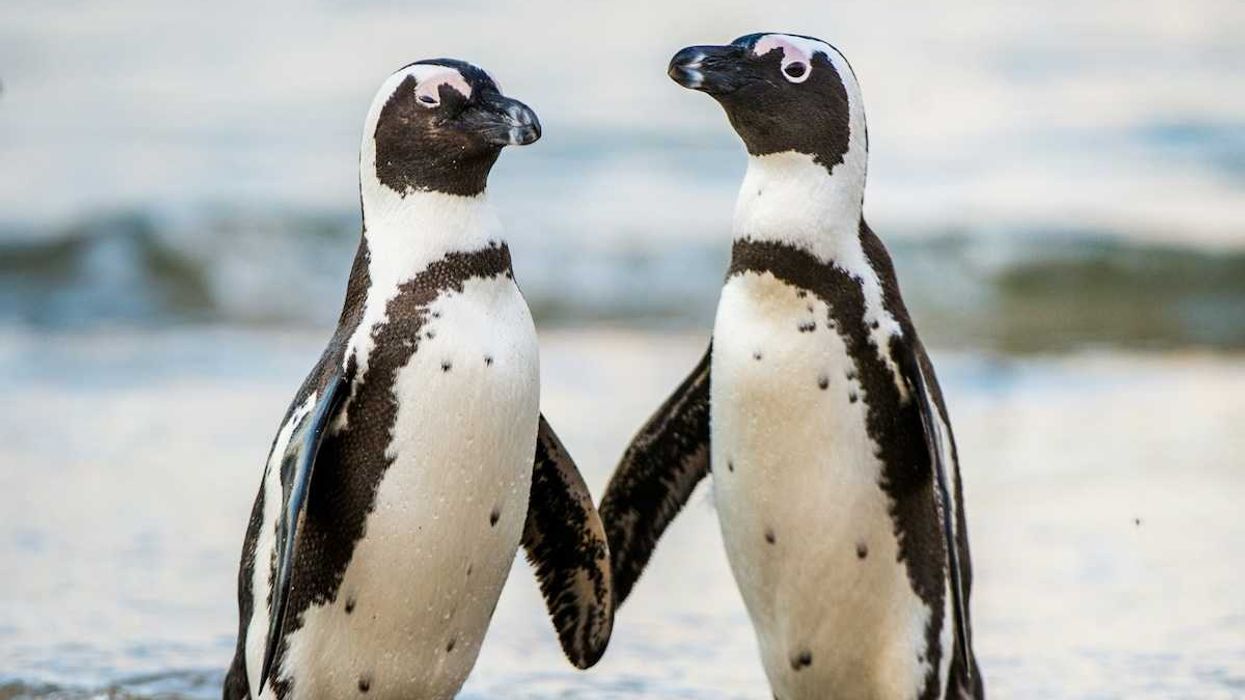
Plastic debris from the fishing industry is littering Argentina’s Valdes Peninsula, endangering local wildlife and threatening human health as pollutants from the waste infiltrate ecosystems.
Miguel Lo Bianco reports for Reuters.
In short:
- The Valdes Peninsula, a UNESCO World Heritage site, is overwhelmed by plastic waste from the fishing industry.
- Marine animals such as whales, penguins and seals are at risk from ingesting plastic or becoming entangled in fishing gear.
- Microplastics, formed as the waste breaks down, enter marine food chains and can harm human health when ingested.
Key quote:
“These plastics are made up of chemicals and pollutants that can cause a number of diseases in both humans and marine fauna.”
— Diego Gonzalez, biologist.
Why this matters:
Plastic pollution in marine ecosystems not only endangers wildlife but also creates long-term risks for human health as toxic microplastics enter the food chain, potentially leading to disease.
Related: Corporations trawling for profit, leaving environmental disaster in their wake