Plastic pellets from a sunken cargo ship off India’s coast have washed ashore across Sri Lanka, raising fears of harm to marine wildlife and fishing livelihoods.
Malaka Rodrigo reports for Mongabay.
In short:
- The Liberia-flagged MSC Elsa 3 sank on May 25 off Kerala, India, spilling hazardous materials and nurdles used in plastic manufacturing.
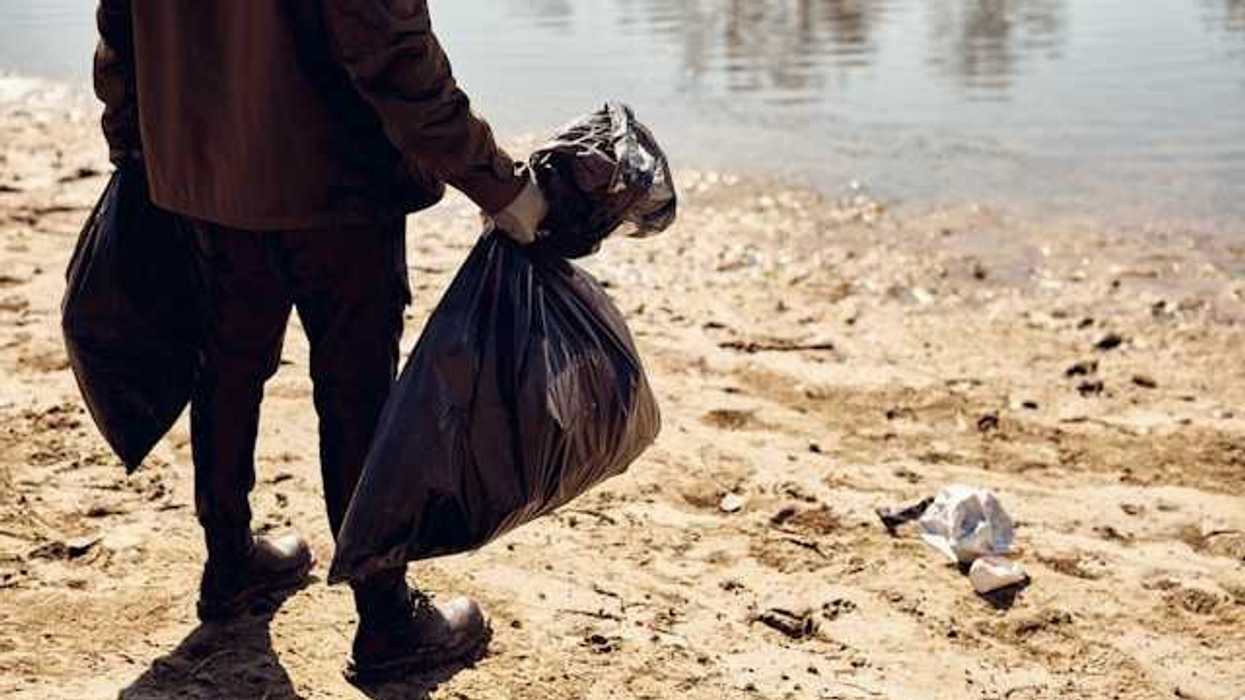
- Nurdles have drifted to Sri Lanka’s northern and southern coasts, with volunteers and government agencies conducting cleanup operations.
- The 2021 X-Press Pearl spill caused widespread ecological damage, fueling concerns this latest incident may trigger similar impacts.
Key quote:
“On June 12, I noticed strange white pebbles scattered across the Mannar beach. A closer look revealed they were plastic nurdles, something I sadly recognize from the X-Press Pearl spill.”
— Lahiru Walpita, birdwatcher in Mannar
Why this matters:
Plastic nurdles are among the most persistent forms of marine pollution, often mistaken for food by fish and seabirds. Once ingested, these pellets can block digestive tracts, reduce nutrient absorption and leach toxic additives. Coastal communities that rely on fishing face both ecological harm and economic losses, as tainted waters threaten catches and livelihoods. The Indian Ocean has seen repeated container ship accidents in recent years, highlighting a broader vulnerability in shipping routes near densely populated coastlines. With cleanup efforts slow and nurdles able to circulate for decades, even small spills can translate into lasting contamination of beaches and food chains.
Related: LISTEN: Timnit Kefela on treating plastic pollution as an environmental justice issue